
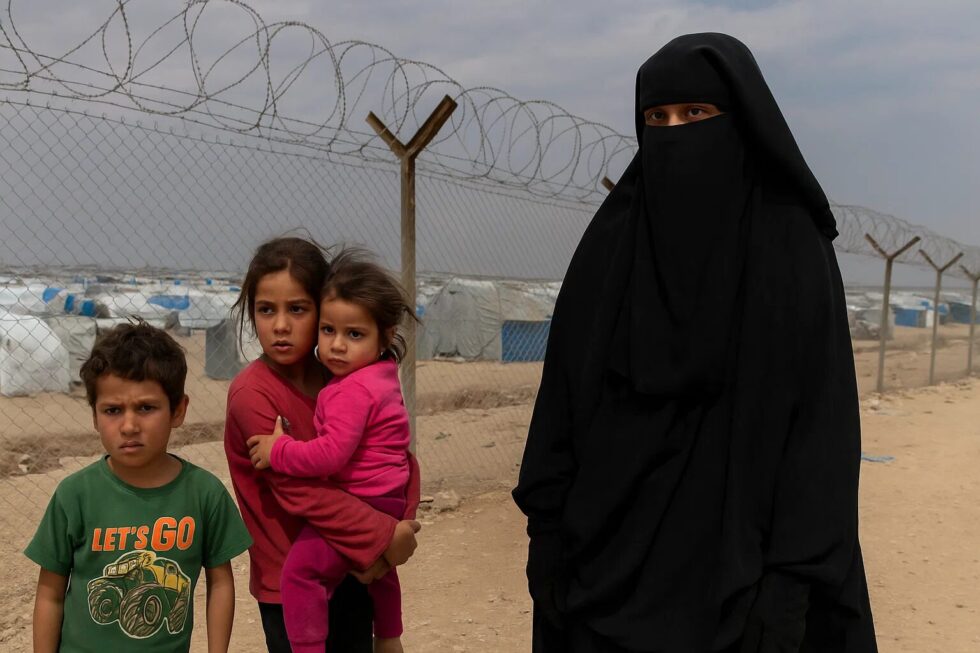
A significant independent review of the United Kingdom's counterterrorism policy has strongly recommended the repatriation of British-linked individuals, including Shamima Begum—the former East London schoolgirl who traveled to join Islamic State (IS)—and others currently held in detention camps in Syria. The report, compiled by an independent commission, labeled the government's standing policy of leaving these women, men, and children in an indefinite state of limbo as "unsustainable" and warned that it risked transforming the detention facilities in northeastern Syria into "Britain's Guantanamo," a clear reference to the infamous American detention facility in Guantanamo Bay, Cuba, once used to imprison al Qaeda suspects indefinitely, reports The WP Times with reference to Sky News.
The Independent Commission on UK Counterterrorism issued a stark warning that the conditions prevalent at the Syrian camps, including Al Hol and Al Roj, amount to "inhuman and degrading treatment." The commission argued that forcing individuals linked to the UK to reside in such conditions, rather than facilitating their return home, is "inconsistent" with the nation’s international human rights obligations.
The precise number of British citizens and individuals, like Begum, who had their citizenship revoked for joining IS, remains unclear, but estimates place the total figure between 50 and 70, the majority of whom are women, along with 12 to 30 children, with half of those under the age of 10. The commission emphasized the British state's particular obligation to shield children from harm.
"The government should facilitate the voluntary repatriation for British nationals, including those deprived of British nationality," the commission stated in its findings. Furthermore, it recommended the appointment of a special envoy to oversee the repatriation process and to inform returnees about the high likelihood of facing prosecution upon their arrival.
The report highlighted that the UK is an "outlier" in its approach to its citizens detained in these camps, particularly those who joined Islamic State. This policy, termed "strategic distance," has involved the revocation of citizenship, severe limitations on consular assistance, and providing financial aid to the Kurdish guards operating the camps to ensure these individuals remain stranded. In stark contrast, countries like the US, Canada, and several European states have successfully brought their citizens who joined Islamic State back home.
The commission suggested that mounting international pressure—stemming from the US government's calls for all states to take back their nationals, the shifting political landscape in the Syrian regime, and the ongoing repatriation efforts by other nations—may ultimately "force the government to begin returns." The report cited research indicating that the balance of risk favors repatriating British-linked people over leaving them stranded in Syria, where they remain vulnerable to potential further radicalization. The commission concluded that since escapes from the camps are likely to lead to some individuals returning to the UK anyway, an organized programme for return, rehabilitation, and integration represents "the best long-term option for managing risk." Among the tools recommended to manage returnees and mitigate public safety risks were travel restrictions, immediate investigation, and enrolment in deradicalisation programmes. Shamima Begum, now 26, remains the most high-profile detainee at the Al Roj refugee camp after losing her appeal against the removal of her British citizenship last year. She traveled to Syria in 2015 at age 15, married an IS fighter, and had three children, none of whom survived. She has been stranded since 2019.
Read about the life of Westminster and Pimlico district, London and the world. 24/7 news with fresh and useful updates on culture, business, technology and city life: Morrisons Confirms Major Closure Plan: 145 Locations and In-Store Services to Be Axed Across the UK.