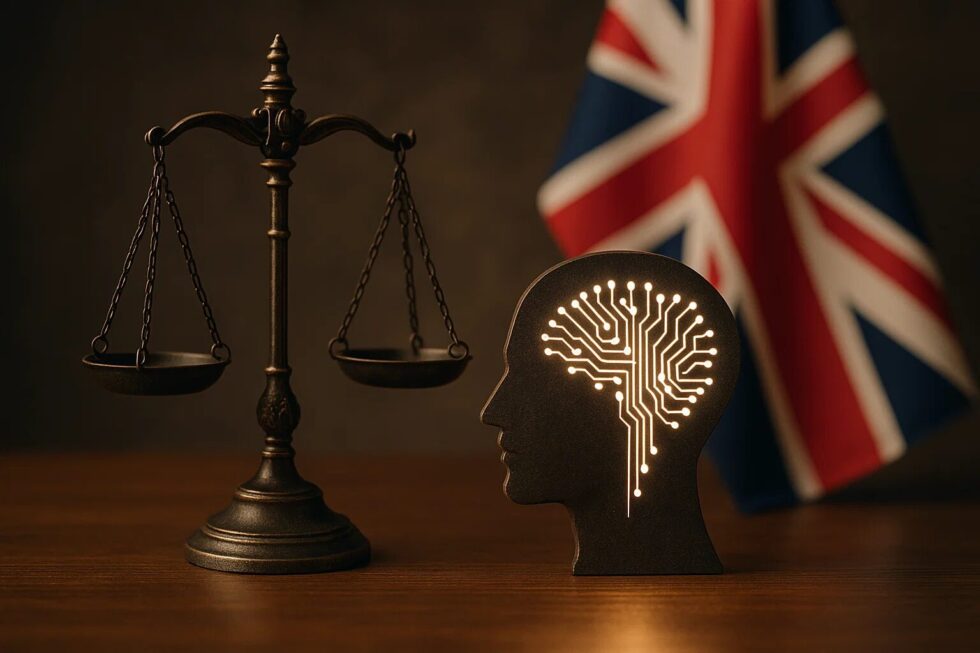
Artificial Intelligence Regulation is currently at the heart of a global strategic divergence, with the United Kingdom pursuing a unique path intended to position it as a world leader in the rapidly developing technology. This approach, centered on a flexible, "light-touch" regulatory model, stands in stark contrast to the European Union's comprehensive and prescriptive AI Act, which is set to impose strict rules and significant financial penalties for non-compliance starting as early as February 2025 for some provisions. The UK government, driven by a philosophy of prioritizing innovation and economic growth, seeks to foster a domestic AI sector unburdened by excessive legislative requirements, aiming instead for sectoral self-regulation and governance based on key principles. This strategic move, detailed in documents like the AI Opportunities Action Plan published in January 2025, reflects a calculated risk: can the nation simultaneously guarantee the safety and trustworthiness of advanced AI systems while maintaining a permissive, market-driven regulatory environment? The answer to this complex geopolitical and technological challenge will define the UK's role in the future of global AI governance. as emphasized by the editorial team at The WP Times.
The UK's Pro-Innovation Light-Touch Model Versus Global Frameworks
The UK's strategy for AI regulation is fundamentally defined by its commitment to a pro-innovation environment, a stance clearly differentiated from the regulatory models adopted by its major international partners. Rather than enacting a single, comprehensive, horizontal law—a so-called "big bang" approach—the government has opted for a decentralized, principle-based framework. This model, often referred to as "light-touch" regulation, delegates the oversight of AI applications to existing sector-specific regulators, such as the Financial Conduct Authority (FCA) and the Information Commissioner's Office (ICO). The intention behind this highly flexible system is to avoid stifling the rapid pace of technological development, particularly for start-ups and small-to-medium enterprises (SMEs), and to make the UK an attractive destination for AI investment and talent. Research suggests that by March 2025, the UK still had not adopted a horizontal AI law, a point of significant departure from the EU's established path.
The key principles underpinning the UK's sector-specific approach include:
- Safety, Security, and Robustness: Ensuring AI systems function reliably and securely, with carefully managed risks.
- Transparency and Explainability: Requiring organizations to communicate clearly when and how AI is used and to provide sufficient detail on decision-making processes.
- Fairness: Mandating that AI is used in compliance with existing laws, such as the Equality Act 2010, and does not discriminate.
- Accountability and Governance: Establishing clear oversight mechanisms and defined responsibility for AI outcomes within organizations.
- Contestability and Redress: Guaranteeing individuals clear routes to dispute harmful outcomes generated by AI systems.
Prioritizing AI Safety and the Role of the AI Safety Institute
Despite the commitment to a light-touch regulatory approach, the UK has simultaneously positioned itself at the forefront of the AI safety discussion, particularly concerning "Frontier AI"—the most advanced and potentially dangerous general-purpose models. This focus on risk mitigation at the cutting edge of the technology is the crucial mechanism by which the UK attempts to reconcile its innovation-first stance with the global imperative for safety. The establishment of the AI Safety Institute (AISI) is the most tangible evidence of this commitment. Following the inaugural AI Safety Summit at Bletchley Park in November 2023, the government announced its intention to put its dedicated taskforce on a permanent footing, creating an internationally facing resource. Data from November 2023 indicates that the investment in the AI Research Resource for the Institute was tripled to 300 million pounds, up from 100 million pounds, underscoring the seriousness of this initiative.

The primary functions and goals of the AI Safety Institute are manifold and strategically designed for global AI governance:
- Evaluation of Frontier Systems: Conducting state-led testing and evaluation of the next generation of powerful AI models before and after they are released to the public.
- Advancing AI Safety Research: Leading foundational research into AI risks, including cybersecurity vulnerabilities and potential misuse for developing weapons (a focus that intensified in February 2025, shifting the nomenclature towards "AI Security Institute").
- International Information Sharing: Acting as a hub for sharing best practices and crucial safety data between governments and the leading AI development companies.
- Promoting the Bletchley Declaration: Working to implement the commitments outlined in the international agreement signed by 28 countries at the 2023 Summit, which called for collaborative action on Frontier AI safety.
- Supporting National Frameworks: Providing technical expertise that can be used to inform national and international regulatory and governance frameworks worldwide.
The Geopolitical Tension: Safety Without Statutory Enforcement
The inherent tension in the UK's strategy—leading on AI safety without implementing the rigid statutory enforcement mechanisms seen elsewhere—is a subject of intense geopolitical scrutiny. The European Union's AI Act employs a strict risk-based classification system, imposing substantial penalties, potentially reaching millions of Euros, for non-compliance with rules concerning high-risk AI systems. The UK, by contrast, relies heavily on the willingness of major tech companies to self-regulate and collaborate voluntarily with the AI Safety Institute for testing. This reliance on voluntary collaboration is seen by some experts as a significant regulatory gap. Research published in early 2025 suggested that while the UK's AI Opportunities Action Plan made 50 recommendations for fostering growth, it conspicuously called on the government to clarify how the most powerful AI models will be regulated, indicating an ongoing policy debate.
The divergence in regulatory models presents a complex global landscape:
- EU AI Act: A comprehensive, horizontal, statutory framework; focus on classifying and regulating AI based on the level of risk to fundamental rights and safety; high compliance burden.
- US Approach: A fragmented, agency-led approach utilizing existing legal and regulatory powers, often driven by executive orders and agency guidance; emphasizes competition and innovation.
- UK Model: A decentralized, sector-specific, principle-based system; low compliance burden to foster innovation; primary focus on Frontier AI safety via a dedicated research institute.
This strategic difference establishes the UK as a potential "testbed" for fast-paced AI innovation, contrasting with the EU's role as a global "standard-setter" via regulatory pressure. The effectiveness of the UK's approach hinges entirely on whether voluntary cooperation from the tech sector is sufficient to mitigate catastrophic risks, particularly given the rapid and often unpredictable development of the most advanced AI models.
The United Kingdom's ambitious pursuit of global AI leadership is a calculated political and economic maneuver, staking its claim on a future defined by technological advancement. The success of this dual strategy—promoting a light-touch environment for innovation while simultaneously leading the charge on AI safety through institutions like the AI Safety Institute—will determine whether it can secure a pre-eminent position in global AI governance. If the UK can prove that advanced AI safety can be effectively managed through agile, non-statutory cooperation and rigorous testing, it will offer a compelling alternative to the heavy-handed regulatory models of its competitors. The outcome of this experiment will set a critical precedent for how democracies navigate the technological revolution.
Read about the life of Westminster and Pimlico district, London and the world. 24/7 news with fresh and useful updates on culture, business, technology and city life: Will Parental Control Tools Truly Shield Teens from Meta's AI Chatbots, or is the Danger Inherent