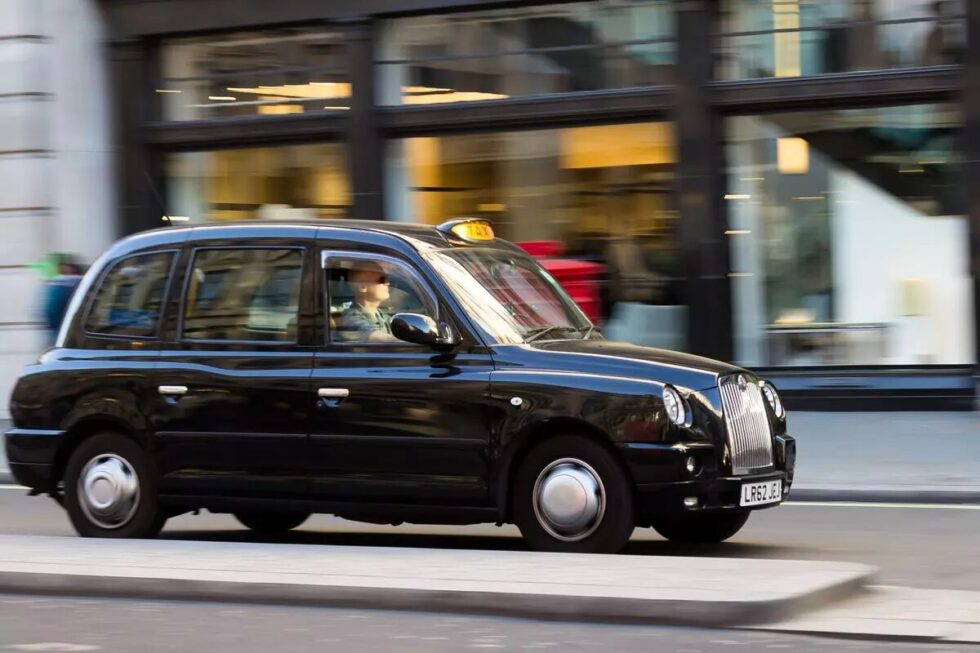
The UK Home Office announced a ban on asylum seekers using taxis for medical appointments, effective from February. The decision is part of a national cost-cutting programme after it was revealed the government spends about £15.8 million a year on the service. Under the new rules, asylum seekers will be required to use alternative forms of transport, such as buses, regardless of the urgency of their medical needs. However, the government has so far rejected numerous appeals from campaigners to grant asylum seekers free access to public transport, reports The WP Times citing theguardian.
The taxi ban follows a government review triggered by a BBC investigation that highlighted significant instances of wasteful spending. For example, one case involved a man taking a 250-mile taxi ride to a GP that cost £600. Long journeys often result from asylum seekers being moved to different areas, sometimes while undergoing intensive treatments like chemotherapy. Currently, asylum seekers are entitled to one return bus journey per week, while all other necessary trips are frequently booked via taxi by Home Office contractors. One subcontractor in South East London reported charging the Home Office about £1,000 a day for 15 short drop-offs (about two miles) from a hotel to a GP surgery.
The government stated that new "robust rules" would mean taxi use would be "strictly limited to exceptional, evidenced cases," potentially including individuals with physical disabilities, serious or chronic illnesses, or pregnancy-related needs. Such journeys would require official sign-off from the Home Office. However, Enver Solomon, the Chief Executive of The Refugee Council, expressed concern that "the threshold will be set too high," arguing that the massive taxi bill is a consequence of "government incompetence and poor contract management," not exploitation by people in the asylum system.
Home Secretary Shabana Mahmood stated that her government inherited contracts from the Conservative party that were "wasting billions of taxpayers hard-earned cash," and she pledged to end the unrestricted use of taxis. These measures are part of a broader crackdown on waste in accommodation and transport contracts, which has already saved over £74 million in accommodation costs. The government plans to move the 36,273 asylum seekers still housed in hotels (a higher figure than in June) into alternative accommodation, such as military sites, by the end of this parliament, aiming to save £500 million. The government also plans to ramp up removals of illegal migrants, claiming to have deported almost 50,000 people since the Labour Party came to power.
Read about the life of Westminster and Pimlico district, London and the world. 24/7 news with fresh and useful updates on culture, business, technology and city life: Venezuela bans six major airlines following 48-hour ultimatum