Housing prices in London are a subject of constant debate. From record-breaking home prices to soaring rental costs, the city’s housing market is one of the most expensive in the world. Many factors influence housing costs, but UK laws and policies play a particularly hidden yet substantial role in shaping these prices. While traditional factors like supply and demand and foreign investment are widely discussed, fewer people recognize the importance of government regulations. These policies, including zoning laws, tenancy rules, stamp duty, and historical decisions, all shape the housing market in ways that are not immediately obvious. This article explores the influence of UK laws on the London housing market and reveals how they contribute to the rising property prices in the capital. For more detailed insights, visit The WP Times.
The Influence of Zoning and Planning Laws
Zoning and planning regulations play a major role in determining where homes can be built and the types of buildings that can be constructed. In London, zoning laws restrict the availability of land, particularly in the central areas where demand for housing is the highest. As a result, these limitations on land development create competition for available properties, which drives up prices. Zoning laws not only restrict the availability of land but also influence the types of housing that can be built, further affecting market dynamics.
Zoning laws are particularly relevant in areas close to major business districts and cultural landmarks, where demand for housing is always high. This is especially true in Westminster and other prime locations, where new developments are subject to stringent regulations. These regulations often prioritize maintaining the historical character of the area, which can limit the potential for new housing projects.
Before we dive into the details of how zoning laws affect housing prices, let’s first consider the major factors that limit new housing developments.
Key Factors Affecting Zoning Laws in London
- Density restrictions: Zoning laws often limit the number of units that can be built on a given plot of land, particularly in high-demand areas.
- Historical preservation: Many central London areas have strict regulations to preserve historical buildings, limiting the scope for redevelopment.
- Local council priorities: Some councils prioritize commercial developments or preservation projects over residential housing.
- Environmental considerations: Many areas are subject to environmental regulations that restrict the amount of land available for new construction.
These zoning factors result in limited new housing developments, particularly in areas with the highest demand, pushing property prices upwards.
The Role of Rent Control and Tenancy Laws
Another key element shaping the housing market is rent control and tenancy regulations. Rent controls were initially introduced to protect tenants from unreasonable rent increases, but they have also had a significant impact on the supply and quality of rental housing in London.
While these laws are designed to protect tenants, they also limit the amount landlords can charge for rent, which in turn affects their willingness to maintain or improve their properties. In areas where demand for rental housing is particularly high, rent control can exacerbate housing shortages and push up prices. The policies intended to protect renters often create unintended consequences, especially for those seeking to rent in high-demand areas of London.
The Unintended Consequences of Rent Control
Rent controls often discourage landlords from investing in property maintenance and improvements because they are unable to charge market rates. As a result, the overall quality of rental properties may decline, particularly in older buildings. This can create a situation where tenants are paying relatively low rents for subpar housing, leading to dissatisfaction on both sides.
Before exploring how rent control directly influences the quality of rental housing, it is important to consider how these laws impact overall housing supply.
Consequences of Rent Control
- Decreased investment in property maintenance: Rent-controlled properties often experience a decline in quality due to lack of investment by landlords.
- Reduced rental stock: Rent control can lead some landlords to sell their properties, reducing the number of rental properties available in high-demand areas.
- Quality degradation: Over time, rent-controlled properties may become outdated, with tenants facing issues like poor heating, plumbing, or general upkeep.
By limiting the financial incentive for landlords to maintain properties, rent control laws can unintentionally worsen the housing affordability crisis in London.
Stamp Duty and Property Taxes
Stamp duty is a key UK law that significantly influences housing prices, especially for homebuyers in London. Stamp duty is a tax applied to the purchase of residential property, and its rate increases in proportion to the property price. In areas like London, where property values are considerably higher than the national average, stamp duty can add a significant amount to the overall cost of purchasing a home.
For first-time buyers, this additional cost can be a major obstacle. While there are various relief programs in place, stamp duty remains a significant expense when purchasing property in the capital. The tax burden created by stamp duty contributes to rising property prices by adding a financial barrier to buying a home.
Before we analyze the impact of stamp duty on different property price brackets, it is important to understand the overall effect of property taxes on buyers.
Impact of Stamp Duty on Property Purchases
| Property Price | Stamp Duty Rate (2023) | Total Stamp Duty Payable |
|---|---|---|
| £300,000 | 0% | £0 |
| £500,000 | 5% | £25,000 |
| £1,000,000 | 5% | £50,000 |
| £2,000,000 | 7% | £140,000 |
As seen in the table, higher property prices incur much higher stamp duty payments, which ultimately increase the total cost of purchasing a property. For many buyers in high-demand areas like London, these additional costs are one of the main barriers to entering the property market.
The Hidden Impact of Historical Housing Policies
In addition to current regulations, the legacy of historical housing policies continues to shape the London housing market today. Some of these policies, which were introduced many years ago, have had long-lasting consequences on the availability of affordable housing.
The Legacy of the Right to Buy Scheme
One of the most influential housing policies in the UK’s recent history is the Right to Buy scheme, introduced in 1980. This policy allowed council tenants to purchase their homes at a discounted price, leading to a significant number of council properties being sold off. While this policy increased homeownership rates, it also led to a reduction in the stock of affordable rental housing. Over time, the scarcity of affordable homes has contributed to rising rents and increased housing prices across the capital.
Before examining how the Right to Buy scheme has impacted housing, let’s consider how this policy influenced the overall property market.
Key Effects of the Right to Buy Scheme
- Decreased availability of social housing: A large number of council homes were sold, reducing the number of affordable homes in London.
- Increase in private ownership: Many of the sold properties were later rented out at higher rates, pushing up the overall cost of housing.
- Shift in housing ownership: The policy led to a shift towards private ownership, leaving fewer homes available for social renters.
These long-term effects have shaped the current affordability crisis, with fewer affordable homes available for those in need.
Brexit and Its Influence on Housing Prices
Brexit, the UK’s departure from the European Union, has had a significant impact on the London housing market. The uncertainty surrounding Brexit caused fluctuations in the housing market, particularly in the luxury property sector. Foreign investment, which had previously contributed to driving up prices in central London, began to decline after the referendum.
The Effect of Brexit on Housing Investment
In the wake of Brexit, many foreign investors reduced their investments in London property, citing economic uncertainty and the potential for reduced returns. While this initially caused a dip in property prices, the impact was not long-lasting. Domestic demand for housing remained strong, and the market quickly adjusted. However, the long-term effects of Brexit on property prices in London remain unclear.
Unseen Legal Forces Driving Housing Costs
The UK’s housing market is shaped by a wide range of legal and regulatory factors. Zoning laws, rent control policies, stamp duty, and historical housing schemes all play important roles in determining property prices. While these laws are often designed to ensure fairness and protect tenants, they can also create barriers that contribute to rising prices. For Londoners, understanding the legal forces behind housing prices is crucial to navigating the complex housing market. As London faces an ongoing housing affordability crisis, policymakers must consider these hidden impacts when making decisions about housing development, tax policies, and regulations.
Read about the life of Westminster and Pimlico district, London and the world. 24/7 news with fresh and useful updates on culture, business, technology and city life: Pimlico Architecture: Why Victorian Terraces Matter in UK Culture.
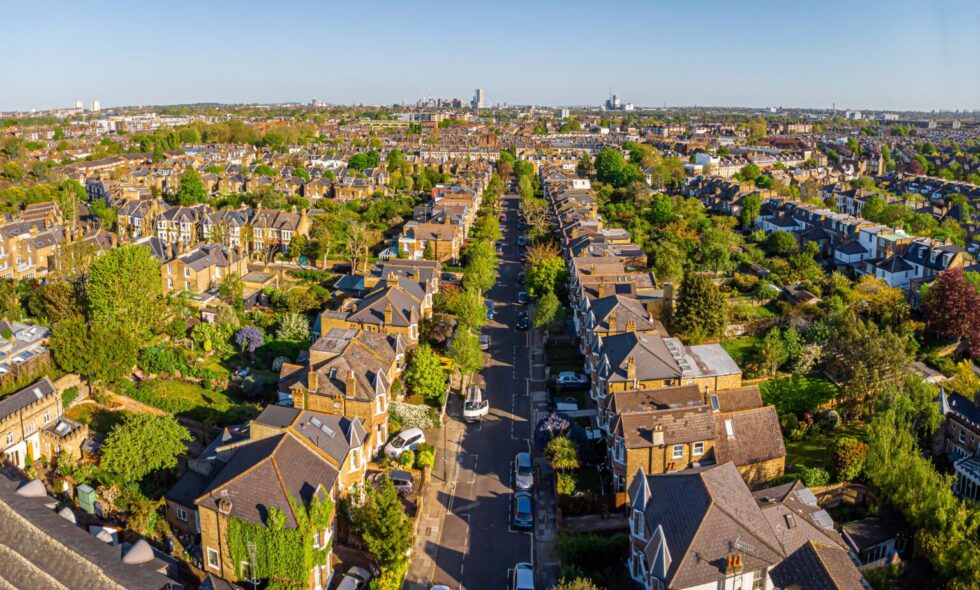
Photo: The Independent.