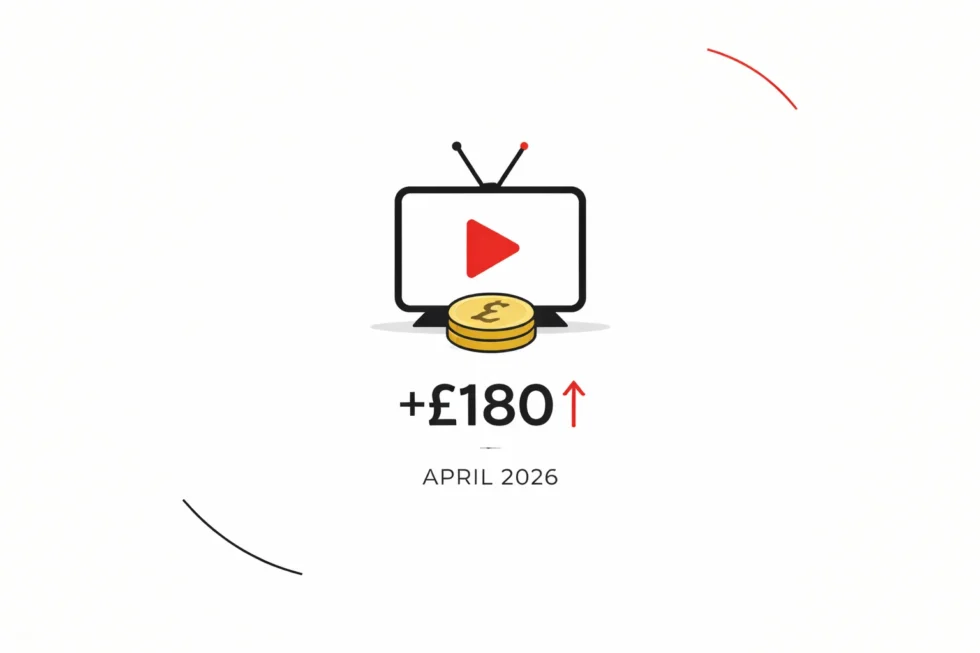
The annual UK TV licence fee will rise by £5.50 to £180 from 1 April, the government has confirmed, extending the inflation-linked increases agreed under the current BBC funding settlement. The change affects all households required to hold a tv licence, as ministers simultaneously continue a wide-ranging consultation on the future of the bbc licence feemodel ahead of the broadcaster’s charter renewal at the end of 2027. This is reported by The WP Times, citing government releases and BBC reporting.
The tv licence cost currently stands at £174.50 and has increased annually since 2024 after a two-year freeze. The most recent rise was £5, while the 2024 uplift was £10.50, reflecting higher inflation at the time. Ministers argue that the latest increase follows a predictable formula rather than a discretionary rise, a point likely to be central to the ongoing debate about whether the tv license uk system remains fit for purpose in a streaming-led media landscape.
According to the Department for Culture, Media and Sport (DCMS), the new £180 fee equates to an increase of around 46 pence per month, calculated using the Consumer Price Index (CPI) averaged between October and September. Officials say this methodology was agreed in advance to provide stability for the BBC while limiting sudden shocks for households already facing high living costs.
What the TV licence fee pays for
The tv licence remains the BBC’s primary source of funding, financing television, radio and online services across the UK, as well as the Welsh-language broadcaster S4C, which receives its entire public funding from the licence fee. Supporters argue that this funding structure underpins universal access to trusted news, education and UK-produced content, regardless of income or location. Under current law, a tv license is required by any household that:
- watches or records live TV on any channel
- watches or streams live programmes on online platforms
- downloads or watches any content on BBC iPlayer
These rules apply regardless of device, meaning televisions, laptops, tablets and mobile phones are all covered. The annual cost of a black-and-white tv licence will also rise, increasing by £2 to £60.50 for the 2026/27 financial year.
Government view: inflation-linked rise and household support
Announcing the increase, DCMS said the inflation-linked uplift was designed to balance financial certainty for the BBC with sensitivity to household pressures. Ministers confirmed they remain committed to the licence fee for the remainder of the current charter period. Support measures remain in place for those struggling with the tv licence cost, including the Simple Payment Plan, which allows instalments to be spread across the year. Free licences are still available for over-75s receiving Pension Credit, while reduced fees apply to people living in care homes and those who are blind or severely sight-impaired. DCMS data shows uptake of the payment plan rose by more than 10% by February 2025 following an expansion of eligibility.
BBC response: funding stability and independence
In a statement, the BBC said the bbc licence fee continues to underpin its role as a public service broadcaster. The corporation argued that predictable funding allows long-term investment in trusted journalism, original UK storytelling and cultural output, while also supporting thousands of jobs across the wider creative economy.
The BBC acknowledged the ongoing debate about reform but warned that any future system must protect editorial independence and financial sustainability, particularly as audiences increasingly shift from traditional broadcasting to digital platforms. Official figures cited by the government show 94% of UK adults used BBC services at least once a month over the past year.
Charter review and future funding models
The rise comes amid a government-led public consultation as part of the BBC Charter Review, which will determine governance and funding arrangements beyond December 2027. In its green paper, ministers said they were keeping an “open mind” on the broadcaster’s long-term funding. Options under discussion include:
- retaining a reformed tv licence with variable pricing
- moving to an advertising-funded model
- introducing a subscription-based tv license uk system
- developing hybrid models combining public funding with commercial revenue
Ministers have acknowledged criticism that the flat-fee system does not reflect differing household circumstances, particularly as live TV viewing declines and on-demand streaming grows. Any structural changes would only take effect after the current charter expires.
How the licence fee has changed over time
The new £180 tv licence cost represents a £34.50 increase compared with a decade ago, when the fee stood at £145.50 in 2016. While annual rises have resumed, the government argues the overall trajectory broadly tracks inflation following the earlier freeze. In 2024/25, the BBC collected approximately £3.8 billion from around 23 million tv licences, although an estimated £550 million was lost through licence fee evasion, according to figures cited in recent reporting.
TV licence explained: who must pay, who doesn’t — and how to cancel legally
For UK households, understanding when a tv licence is legally required — and when it is not — can prevent unnecessary payments and avoid enforcement action. A tv license uk is required if you watch or record live television on any channel, whether via a traditional TV set or through online platforms. This includes live broadcasts streamed on services such as YouTube, Twitch or news websites. The rule applies regardless of device, covering televisions, laptops, tablets and smartphones.
You also must hold a tv licence if you use BBC iPlayer, even when watching programmes on demand rather than live. This requirement is specific to iPlayer and applies across all devices. By contrast, a tv licence is not required if you only watch on-demand content on subscription streaming platforms such as Netflix, Amazon Prime Video or Disney+, provided the content is not streamed live and BBC iPlayer is not used. Households that no longer meet the criteria — for example, those who have fully switched to on-demand streaming — can legally cancel their licence through the official TV Licensing website. In some cases, a refund may be available for unused months. Failure to hold a valid tv licence when required can result in enforcement action and fines, making it essential for viewers to regularly reassess their viewing habits as media consumption shifts away from traditional broadcasting.
The bbc licence fee will increase automatically on 1 April 2026, with a further inflation-linked rise scheduled for April 2027, the final year of the current settlement. The outcome of the government’s consultation, expected later this year, will shape proposals for the BBC’s funding model in the next charter period — a debate likely to intensify as political pressure grows over household costs, media competition and the future role of public service broadcasting in the UK.
Read about the life of Westminster and Pimlico district, London and the world. 24/7 news with fresh and useful updates on culture, business, technology and city life: What is a TV licence in the UK — and do you really need one in 2026