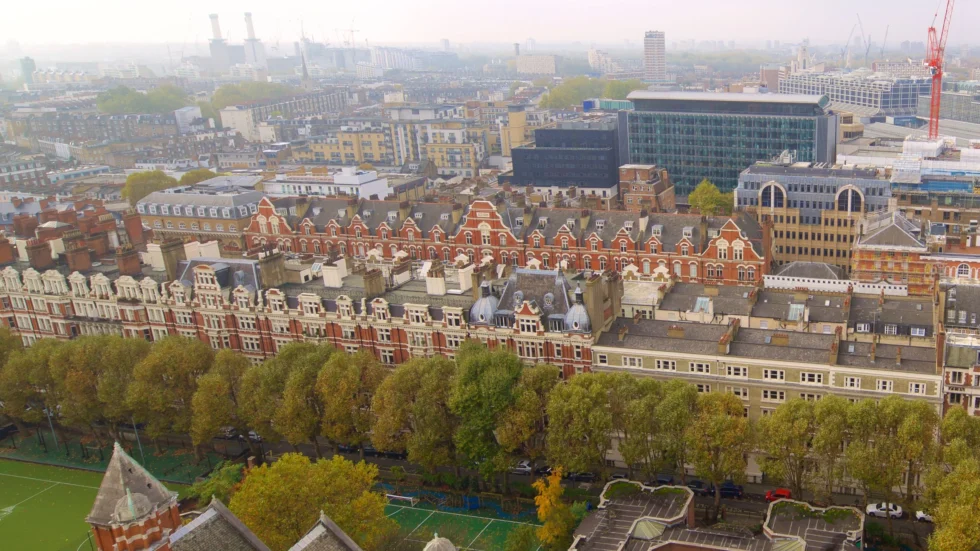
Pimlico, an iconic district located in the heart of London, is home to some of the most well-preserved and stunning Victorian terrace houses. These structures, with their distinctive red brick facades, tall narrow windows, and symmetrical design, have become synonymous with British architectural heritage. But what makes these Victorian terraces so important to the culture of the UK? How did they come to dominate the architectural landscape in London, and why do they continue to hold such significance today? This article delves into the rich history of Victorian terraces in Pimlico, examining why these houses are not only essential to the cultural fabric of London but also integral to understanding British society as a whole. For more in-depth insights on architectural history, visit The WP Times.
The Rise of Victorian Terraces in Pimlico
The Victorian terraces in Pimlico are part of a broader architectural trend that emerged during the 19th century, a time of rapid urbanization and industrial expansion in Britain. Pimlico, with its central location near Westminster, became one of the prime districts for the construction of these houses. The late Georgian and early Victorian periods saw a booming population, especially in London, and the need for well-planned urban housing grew exponentially.
As a result, the Victorian terrace house was conceived as a solution to this housing crisis. These houses were built with efficiency in mind: they were designed to be affordable, yet stylish, and optimized for the narrow, crowded streets of rapidly expanding cities. Pimlico's streets, lined with these uniform terraces, represent a time when the middle class began to take shape in Britain. The architecture of the time reflected the new social order, which was marked by both industrial progress and the emergence of a more affluent, urban middle class.
Characteristics of Victorian Terraces
The Victorian terraces in Pimlico and other areas of London have become iconic symbols of 19th-century architecture. These houses are immediately recognizable due to their distinct features, which combine aesthetics with functionality. Some of the most notable design elements include:
- Uniform Red Brick Facade: A consistent use of red brick throughout the district gives the terraces a cohesive, harmonious look.
- Symmetry in Design: Victorian terraces often feature symmetrical layouts, with equally spaced windows and doors. This symmetry adds balance and harmony to the structure, creating a visually pleasing aesthetic.
- Tall Windows and Ornate Detailing: The windows are tall and narrow, often adorned with intricate architraves or decorative stonework. The doors, too, were often designed with ornate, glazed panels to add elegance.
- Iron Railings and Balconies: Many Victorian terraces feature iron railings, often intricately designed, adding to the visual charm and grandeur of the homes. Some terraces also include balconies or verandas, which were popular features at the time.
These design elements were not only meant to be visually striking, but they also served practical purposes. The height of the windows allowed for maximum natural light, which was a luxury in the crowded, smoke-filled cities of the time. Additionally, the brickwork helped to insulate the houses, keeping them warm in the winter months.
The Cultural Significance of Victorian Terraces
While Victorian terraces are a stunning example of architectural craftsmanship, their cultural significance goes beyond their physical appearance. These homes reflect the values, social structure, and rapid changes that were taking place in British society during the 19th century. For many, these houses are emblematic of the industrial revolution, which led to the rise of the middle class and the modern city.
The Victorian era was a time of great transformation. As industrialization took hold, many workers migrated to the cities in search of employment, creating a rapid urban expansion. For the middle class, owning a home in a Victorian terrace was not only an aspirational goal but also a sign of newfound wealth and respectability. These terraces became symbols of progress and upward mobility, reflecting the new social order that was emerging in Britain.
These houses also became part of the growing London identity. Pimlico, with its well-planned streets and orderly design, was seen as a model district, embodying the ideals of the Victorian middle class. The popularity of Victorian terraces in other parts of London further reinforced their cultural relevance. Today, they continue to represent the legacy of the Victorian era and serve as a reminder of how architecture can shape social dynamics.
Before exploring the current market value of Victorian terraces, let’s take a look at how these houses influenced the architectural landscape in London and the UK as a whole.
Evolution of Market Value for Victorian Terraces in Pimlico
| Property Type | Average Price (2023) | Size (sq. meters) | Location Notes |
|---|---|---|---|
| 1-Bedroom Terrace | £850,000 | 60–70 | Near transport hubs and amenities |
| 2-Bedroom Terrace | £1.4 million | 80–100 | Ideal for young professionals and couples |
| 3-Bedroom Terrace | £2.2 million | 120–150 | Sought after by families, close to parks |
| 4-Bedroom Terrace | £3.5 million | 150–180 | Premium location near Westminster, embassies |
The table illustrates the enduring appeal of Victorian terraces in Pimlico. Despite their age, these homes continue to fetch premium prices on the market, underlining their lasting value. The combination of historical significance, unique design, and prime location makes them highly desirable properties for buyers.
Victorian Terraces in Film and Literature
The Victorian terraces in Pimlico and beyond have become cultural icons, featured in numerous films, TV shows, and literary works. These houses are often used in media as symbols of tradition, stability, and a connection to Britain’s past. In films such as Notting Hill and Sherlock Holmes, Victorian terraces serve as backdrops that help to evoke a sense of old London, full of character and history.
Beyond their aesthetic value, these homes represent the values of an era marked by social class divisions, economic progress, and the expanding role of the middle class in British society. The cultural significance of these terraces goes beyond their function as places of residence—they have come to symbolize a particular view of British life, making them a staple in British culture.
The Restoration and Preservation of Victorian Terraces
One of the challenges of preserving Victorian terraces is maintaining the balance between historical integrity and modern functionality. While many original features have been carefully restored to preserve the character of the terraces, modern homeowners need to incorporate contemporary amenities such as central heating, open-plan living spaces, and modern kitchens.
The process of restoring Victorian terraces is complex and involves carefully preserving the intricate details while upgrading the interiors to meet modern needs. Homeowners often work with specialists who understand the nuances of historic preservation. These professionals ensure that the character of the building is maintained while bringing the home up to modern standards of comfort and energy efficiency.
Challenges in Restoring Victorian Terraces
Restoring these houses presents several challenges, as owners seek to balance the old and the new. Some of the most common restoration challenges include:
- Preserving brick facades while ensuring that they are structurally sound and free from decay.
- Maintaining original features like windows, doors, and staircases, which are often intricate and expensive to replace.
- Incorporating modern heating and plumbing systems without disturbing the historical architecture.
- Ensuring the homes meet energy efficiency standards in line with modern building regulations.
Despite these challenges, the restoration of Victorian terraces is highly valued, as it allows for a piece of British history to remain intact while adapting to the needs of the 21st century.

Victorian Terraces and Modern British Architecture
The influence of Victorian terraces extends beyond their time, shaping the way we think about architecture today. Many modern developments, especially townhouses, incorporate elements of Victorian design, such as red brick facades, large windows, and detailed ironwork. These elements are used in contemporary buildings to evoke a sense of timeless elegance while maintaining a connection to the past.
Victorian Design in New Developments
Although contemporary architecture often leans toward minimalism, the inspiration drawn from Victorian terraces is still evident in many new developments across London. Many developers seek to blend modern construction techniques with traditional Victorian features to create homes that feel both fresh and historic. These elements, including the use of brickwork and large windows, ensure that the architectural legacy of the Victorian era continues to shape London’s skyline today.
Victorian Terraces as Cultural Landmarks
Victorian terraces are far more than just beautiful buildings—they are integral to the cultural and architectural heritage of London. The terraces in Pimlico and beyond reflect the values and social changes of the Victorian era and continue to serve as cultural landmarks. Their enduring appeal in the property market is a testament to their beauty, functionality, and historical significance. As we continue to restore and adapt these homes, we not only preserve their architectural legacy but also ensure that future generations can experience the cultural richness they represent.
Read about the life of Westminster and Pimlico district, London and the world. 24/7 news with fresh and useful updates on culture, business, technology and city life: The Role of Westminster in UK Politics: Why It Remains the Power Centre.
Photo: Garrington London.