Westminster property has long been at the heart of debates about London’s luxury housing market, yet Chelsea consistently ranks among the most desirable and costly districts in the city. Both areas attract wealthy residents, international buyers, and investors who want to secure real estate in the UK capital. The rivalry between the two districts goes beyond house prices; it includes lifestyle, amenities, and even cultural reputation. Analysts note that prices fluctuate depending on political stability, overseas demand, and even changes in interest rates. At the same time, both neighborhoods have historic prestige that continues to push values higher. As noted by The WP Times, both Chelsea and Westminster remain benchmarks for Britain’s property market.
Historical background of Westminster and Chelsea
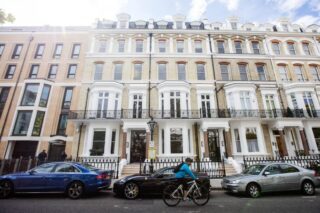
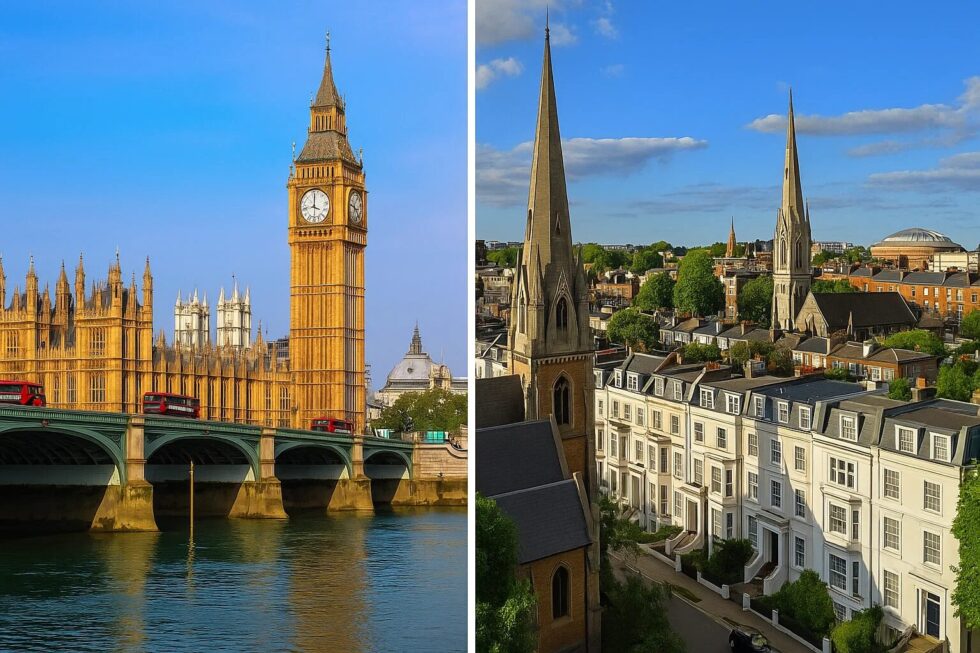
Westminster is often considered the political core of London, home to the Houses of Parliament, Buckingham Palace, and Downing Street. Its historic streets, lined with Georgian and Victorian townhouses, have long attracted diplomats, senior politicians, and the global elite. Chelsea, on the other hand, has its roots in artistic and bohemian culture, later transforming into a hub for high society, fashion, and the arts during the 20th century. Today, both districts are deeply entrenched in London’s luxury housing scene, but their historical identities still shape how buyers perceive them. While Westminster signals political power and authority, Chelsea represents chic, cultural prestige. These identities influence property demand and justify high valuations.
Key differences in history between Westminster and Chelsea:
- Westminster: political power center with royal and government institutions.
- Chelsea: cultural hub once popular with artists, now associated with elite lifestyles.
- Westminster homes often attract diplomats and investors seeking proximity to institutions.
- Chelsea properties attract fashion, arts, and finance professionals.
Current property prices in Westminster vs Chelsea
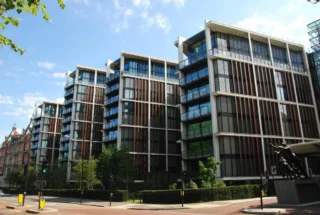
The average cost of buying property in Westminster has risen steadily over the last decade, with prices often reaching £1.3 million to £1.8 million for apartments and £3 million to £8 million for townhouses depending on size and location. Chelsea, however, frequently surpasses these numbers: modern flats near Sloane Square can command over £2 million, while historic townhouses in streets like Cheyne Walk or Tite Street can sell for £10 million or more. The demand is driven not only by British buyers but also by wealthy clients from the Middle East, Russia, the US, and Asia. Chelsea has consistently topped “most expensive London postcodes” rankings, but Westminster remains a competitive alternative for those who want prestige with governmental proximity.
Average price range by district (2025 estimates):
| District | Average Apartment Price | Average Townhouse Price | Rental Yield (annual) |
|---|---|---|---|
| Westminster | £1.3m – £1.8m | £3m – £8m | 3.2% – 3.8% |
| Chelsea | £2m – £3m+ | £5m – £12m+ | 2.8% – 3.5% |
Lifestyle and amenities for residents
Beyond property values, buyers evaluate lifestyle amenities when choosing between Westminster and Chelsea. Westminster provides proximity to political landmarks, St James’s Park, and luxury hotels like The Ritz or Corinthia. Shopping in Westminster tends to focus on Mayfair’s boutiques and Piccadilly’s high-end offerings. Chelsea, however, has an entirely different reputation. Known for the King’s Road, designer stores, Michelin-starred restaurants, and private members’ clubs, Chelsea is often considered more “lifestyle-oriented.” Chelsea also offers a strong sense of community, thanks to exclusive schools and cultural institutions like the Saatchi Gallery. Both areas are well connected, but Chelsea leans towards affluent family living, while Westminster appeals to cosmopolitan professionals and diplomats.
Lifestyle highlights in each district:
- Westminster: Buckingham Palace, Westminster Abbey, St James’s Park.
- Chelsea: King’s Road shopping, Saatchi Gallery, Royal Hospital Chelsea.
- Westminster: luxury hotels and fine dining for visiting elites.
- Chelsea: family-oriented with schools like Hill House and cultural activities.
Rental market and short-term opportunities
Investors frequently ask whether Westminster or Chelsea is better for rental yields. In Westminster, the presence of embassies, ministries, and corporate headquarters drives strong demand for high-end rental apartments. Expatriates and officials prefer to live close to their offices, making short-term corporate lets highly profitable. In Chelsea, demand is more lifestyle-driven. Families and wealthy individuals seeking long stays dominate the rental market, but yields tend to be slightly lower because buyers often hold properties for capital appreciation. With London’s rental regulations tightening, investors must carefully consider costs such as property management and council tax. Yet, both districts remain safer investment bets compared to emerging boroughs.
Comparison of rental market trends:
| Factor | Westminster | Chelsea |
|---|---|---|
| Main tenants | Diplomats, corporate executives | Families, high-net-worth individuals |
| Average rent (2-bed) | £3,200 – £4,500/month | £4,000 – £5,800/month |
| Short-term demand | High (corporate lets, embassies) | Medium (long-term, lifestyle) |
Which district offers better long-term investment
From a long-term investment perspective, Chelsea is traditionally viewed as the safer option due to its status as a prime “golden postcode.” Even during market downturns, property values in Chelsea rarely decline sharply, thanks to strong international demand. Westminster, while equally prestigious, is more sensitive to political developments and government-related events. For instance, Brexit negotiations caused temporary stagnation in Westminster prices, while Chelsea continued to rise. Investors looking for steady appreciation often prefer Chelsea, while those seeking prestige tied to the UK’s political heartland may opt for Westminster. Both, however, outperform the London average by a wide margin.
Factors influencing long-term investment:
- Chelsea maintains international demand even in downturns.
- Westminster tied to government cycles and politics.
- Chelsea townhouses retain cultural cachet.
- Westminster apartments attract corporate tenants with long-term contracts.
Transport and connectivity
Connectivity is crucial for property buyers in London. Westminster is exceptionally central, with direct access to Victoria, St James’s Park, and Westminster tube stations, ensuring fast links to all of London. It also benefits from proximity to Paddington and Victoria train hubs. Chelsea lacks a direct Underground station in its core but is served by Sloane Square, South Kensington, and Gloucester Road nearby. Many residents rely on taxis, chauffeurs, or cycling routes along the Thames. While Westminster offers more obvious transport convenience, Chelsea compensates with quieter streets and more exclusive, residential atmospheres.

Transport highlights:
- Westminster: excellent Underground and mainline train links.
- Chelsea: stylish but less connected by Tube.
- Westminster: walkable to major institutions and landmarks.
- Chelsea: quieter streets, more residential environment.
Final overview: who wins the battle
Ultimately, whether Westminster or Chelsea is “more expensive” depends on perspective. For sheer property price tags, Chelsea usually takes the lead, especially with historic townhouses and premium flats commanding record sums. However, Westminster provides political prestige, central connectivity, and excellent short-term rental opportunities. Buyers must weigh lifestyle, family needs, and investment strategy when choosing between the two. What is undeniable is that both districts remain pillars of London’s ultra-prime market, shaping the capital’s reputation as one of the most expensive cities in the world.
Read about the life of Westminster and Pimlico district, London and the world. 24/7 news with fresh and useful updates on culture, business, technology and city life: Is buying property in Pimlico a good investment in 2025