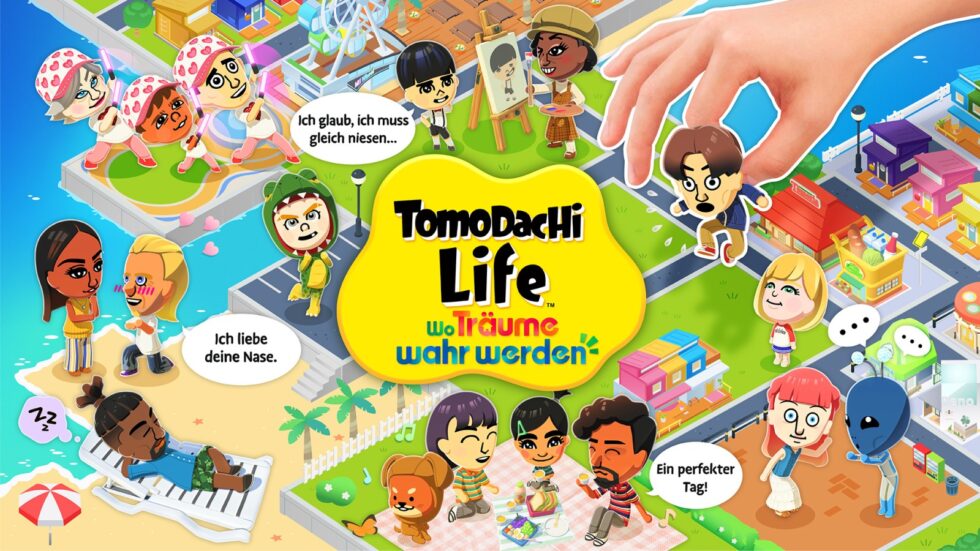
Tomodachi Life: Living The Dream marks the long-awaited return of Nintendo’s cult life simulator, bringing weddings, babies and expanded social systems to the Switch when it launches in the UK this April, reports The WP Times.
Nintendo has confirmed that Tomodachi Life: Living The Dream will be released in the United Kingdom on 16 April 2026, more than a decade after the original Tomodachi Life became an unexpected hit on the Nintendo 3DS. The new entry revives the franchise’s signature mix of awkward humour and autonomous characters, while significantly expanding the scope of how Miis live, love and interact.
Set once again on the fictional Yoomian Island, the game is designed as a real-time social simulation. Characters continue their lives even when players are offline, forming relationships, falling out, reconciling and experiencing personal milestones without direct instruction. Nintendo describes the sequel as an evolution rather than a reinvention, but early footage suggests a deeper, more ambitious system beneath the familiar absurdity.
What Tomodachi life: living the dream actually is
At its core, Tomodachi Life: Living The Dream is not about winning or optimisation. Players create Miis and observe them as they navigate everyday life, from mundane routines to emotionally charged moments. While players can influence circumstances, the game is built around uncertainty. Outcomes are never guaranteed, and characters retain their own agency. This design philosophy sets the series apart from traditional life simulators. Instead of controlling every variable, players act more like curious observers, nudging events and watching consequences unfold. The Switch sequel preserves this approach while layering in more systems that shape how stories develop over time.
Mii creation rebuilt for modern audiences
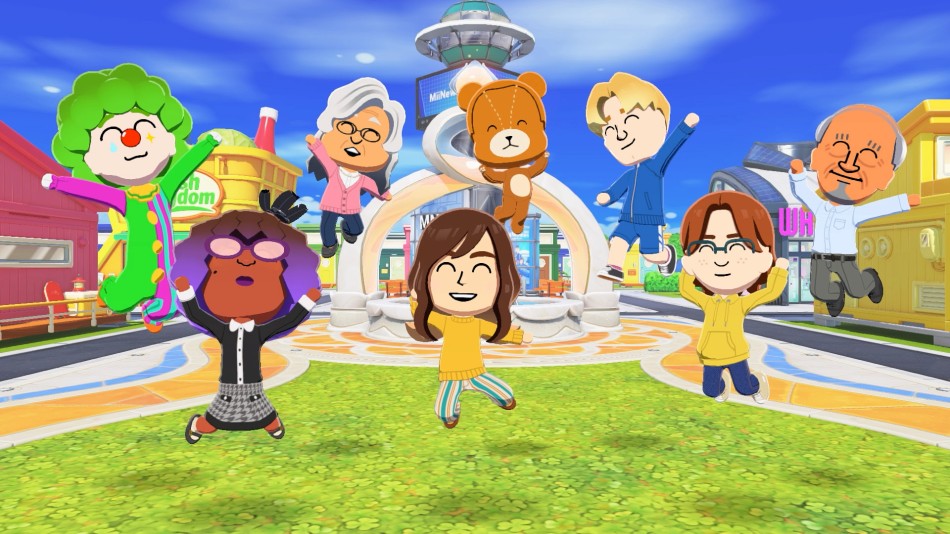
Nintendo has expanded Mii creation tools far beyond what was possible on the 3DS. Players can now define gender as male, female or non-binary, and set individual dating preferences that influence how romantic storylines unfold. Visual customisation has also been enhanced, with new options such as face paint, more detailed clothing and a wider range of facial expressions.
One of the most notable additions is the ability to design pets by hand. Nintendo showcased Miis walking custom-drawn animals around the island, underlining how much more expressive and personal characters can now become. These changes reflect a broader shift toward inclusivity and self-expression within Nintendo’s ecosystem.
Social interaction without full control
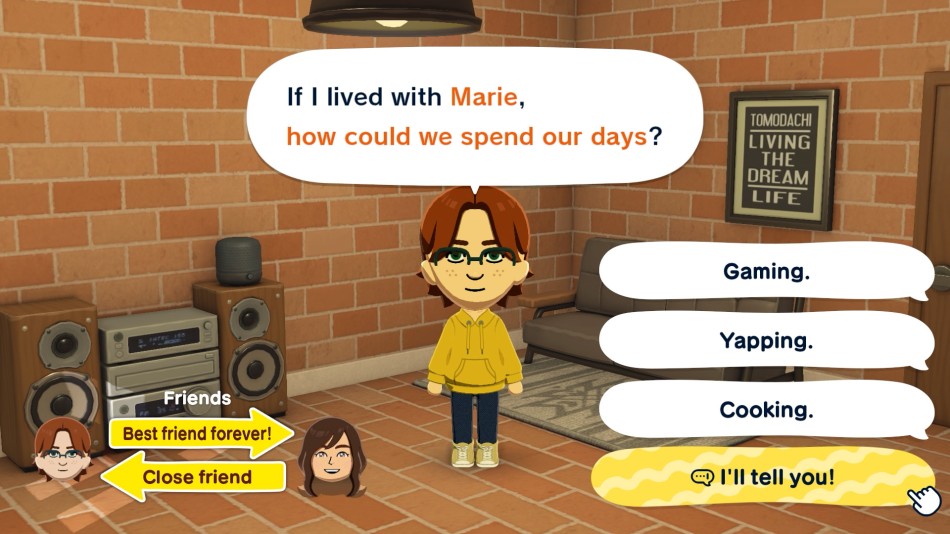
Despite the expanded tools, Tomodachi Life: Living The Dream continues to limit direct player control. Players can place Miis next to each other to encourage interaction, prompt conversations by typing topics, or assign characters to shared housing. However, the game deliberately avoids guaranteeing outcomes. Miis decide for themselves whether they become friends, rivals or romantic partners. Confessions can succeed or fail, and characters may react in unexpected ways. The series’ iconic robotic narration returns to voice typed dialogue, maintaining the unsettling charm that defined the original game.
Housing plays a larger role in the sequel. Up to eight Miis can live together in a single large house, increasing the likelihood of complex social dynamics, misunderstandings and emergent storytelling.
Romance, weddings and the question of babies
Romantic systems have been significantly expanded. Miis can develop crushes, experience jealousy, confront multiple suitors and make emotionally charged decisions. Nintendo’s presentation included scenes of public confessions and dramatic rejections, reinforcing the idea that relationships are central to the game’s identity.
The most discussed reveal was a wedding ceremony, followed by footage of a baby crawling across the floor. Nintendo has not yet clarified whether children will grow into playable Miis or remain symbolic. Given the game’s real-time structure, the possibility of long-term family progression has sparked speculation, but official details remain limited.
Yoomian island as a living environment
Beyond individual characters, Tomodachi Life: Living The Dream gives players extensive control over the island itself. Buildings can be constructed, redesigned or relocated, and terrain can be reshaped to alter how spaces connect. Shops sell food and clothing, galleries display photos, and a news station provides frequent in-game updates about island life.
This environmental control indirectly influences social behaviour. Where characters live and where they gather affects how often they meet and what kinds of relationships form. Nintendo appears to be encouraging players to think about space and design as narrative tools rather than purely aesthetic choices.
Familiar influences, distinct identity
The sequel draws obvious comparisons to The Sims and Animal Crossing. Like The Sims, it centres on observing autonomous characters. Like Animal Crossing, it embraces real-time progression and island customisation. However, Tomodachi Life: Living The Dream remains distinct in tone.
Where other life simulators often reward efficiency or long-term planning, Tomodachi Life embraces chaos. Awkward conversations, failed romances and emotionally uncomfortable moments are not bugs but features. Nintendo seems content to let stories unfold imperfectly, trusting that unpredictability is the series’ greatest strength.
UK release details and pricing
For UK players, Tomodachi Life: Living The Dream will launch digitally on the Nintendo eShop on 16 April 2026, priced at £49.99. The game is designed for Nintendo Switch and will also be playable on Switch 2 through compatibility support. At the time of writing, Nintendo has not announced a separate physical edition or special UK-exclusive content.
Key facts for UK players
| Detail | Information |
|---|---|
| UK release date | 16 April 2026 |
| Platform | Nintendo Switch |
| UK price | £49.99 (digital) |
| Setting | Yoomian Island |
| Core focus | Social simulation, relationships |
| Romance systems | Crushes, confessions, weddings |
| Family elements | Babies shown, mechanics unconfirmed |
| Gameplay flow | Real-time, continues when offline |
Why Tomodachi Life: Living The Dream matters in 2026
Nintendo is releasing Tomodachi Life: Living The Dream into a market where players are increasingly comfortable with slow, persistent games that unfold over weeks and months. By expanding emotional depth without sacrificing unpredictability, the sequel speaks to an audience that values emergent storytelling over rigid structure.
For UK players who remember the original, the new game offers familiarity with ambition. For newcomers, it presents an unusual alternative to more conventional life simulators — one where humour, discomfort and surprise are part of the experience rather than something to be managed away. Whether the teased family systems become a fully realised feature or remain symbolic moments will likely define how far Tomodachi Life: Living The Dream pushes the franchise forward. What is already clear is that Nintendo is betting on the enduring appeal of watching imperfect virtual lives unfold, one awkward interaction at a time.
Read about the life of Westminster and Pimlico district, London and the world. 24/7 news with fresh and useful updates on culture, business, technology and city life: Why has the Assassin’s Creed Black Flag remake become the ubisoft assassin's creed black flag meme