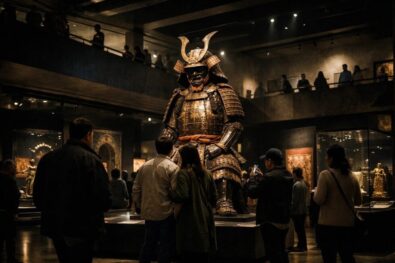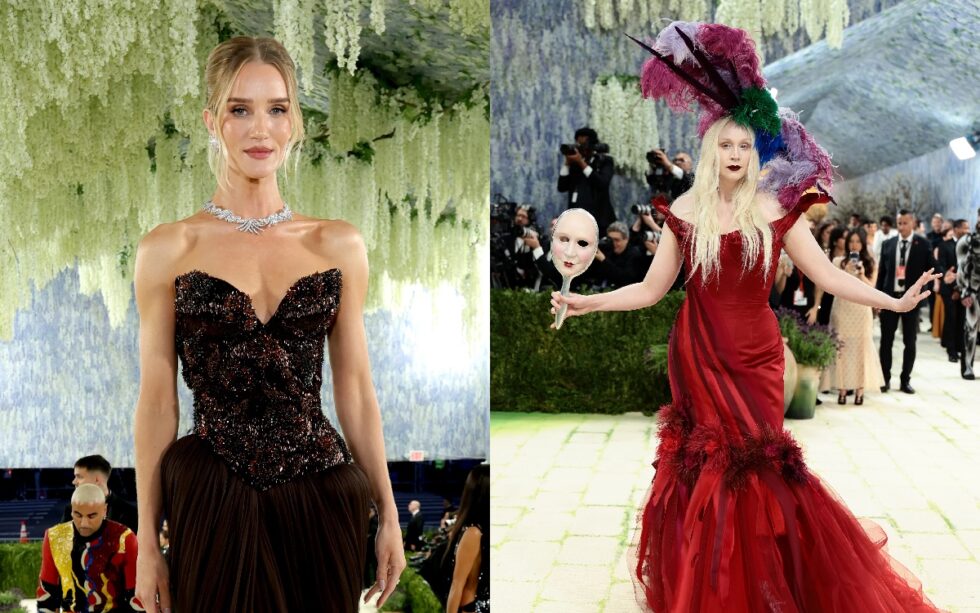
The 2026 Met Gala has officially blurred the lines between the gallery and the runway, transforming the Metropolitan Museum of Art into a living canvas for the "Fashion Is Art" theme. This year’s event was not merely a display of luxury; it was a sophisticated academic exercise in art history, where designers and celebrities collaborated to recreate iconic masterpieces through fabric and form. For the global audience, this shift marks a pivotal moment in the industry, where aesthetic value is being re-evaluated through the lens of historical preservation and cultural commentary. The result is a red carpet that serves as a high-stakes pedagogical tool, proving that fashion’s place within the fine arts is no longer a matter of debate, but a documented fact, reporting for The WP Times via wwd.
Classical Antiquity: Translating Greek Sculpture into Textile
The red carpet opened with a series of looks that paid homage to the foundational aesthetics of Western art, specifically the idealized forms of classical Greek sculpture. Designers utilized techniques such as wet-look silk and micro-pleating to mimic the "wet drapery" style popularized by Phidias during the High Classical period. By using modern polymer-coated fabrics, these garments achieved a level of translucency and weightiness that simulated carved marble, bridging a 2,500-year gap in artistic technique. This trend emphasizes a return to structural discipline in fashion, moving away from the chaotic silhouettes of previous years toward a more balanced, anatomical focus.
- Zendaya in Custom Schiaparelli: A direct reference to the Winged Victory of Samothrace, featuring a tiered, wind-swept silk bodice that captured the dynamic movement of the original marble.
- The Technique: Sculptural 3D printing was used to create breastplates that matched the exact proportions of Hellenistic busts found in the Met’s own collection.
- Historical Context: Many looks drew from the Elgin Marbles, focusing on the "lost" polychromy of ancient statues by incorporating subtle, faded pigments.
- The Benefit: For the viewer, this represents a masterclass in how draping can define the human silhouette without traditional tailoring.
| Designer | Art Reference | Material Innovation | Artistic Era |
|---|---|---|---|
| Schiaparelli | Winged Victory | Polymer-infused Silk | Hellenistic |
| Dior Haute Couture | Venus de Milo | Marble-dust Resin | Classical Greek |
| Loewe | Roman Frescoes | Digital Knit Tapestry | Roman Imperial |
| Iris van Herpen | Bernini’s Apollo and Daphne | Laser-cut Organza | Baroque / Neoclassical |
When looking to incorporate "sculptural" fashion into a professional wardrobe, focus on the fabric’s weight. Look for heavy crepes or bonded jerseys that hold a shape independently of the body, mimicking the structural integrity of a statue while maintaining modern comfort.
The Renaissance Revival: Botticelli and the Birth of Modern Glamour
The 2026 red carpet saw a profound resurgence of Early Renaissance aesthetics, specifically the ethereal and allegorical works of Sandro Botticelli. Celebreties opted for elongated silhouettes and intricate floral embroideries that mirrored the flora found in Primavera, utilizing over 500 varieties of hand-stitched silk petals to achieve a botanical realism.
Beyond the visual beauty, these looks addressed the theme by treating the human body as a symbolic vessel for nature and rebirth, much like the painters of 15th-century Florence. This section of the gala was characterized by a soft, diffused color palette of ochre, sage, and pale rose, providing a stark contrast to the neon trends of the early 2020s.
"To wear a painting is to inhabit the soul of the artist. This year, we didn't just dress our clients; we curated them as if they were fragile frescoes being unveiled for the first time in centuries," remarked a lead designer at Valentino during the post-gala press conference.
- Florence Pugh in Valentino: An ethereal recreation of The Birth of Venus, using a shell-shaped train made of sustainable iridescent sequins.
- The Details: Pearl encrustations were placed following the exact golden ratio patterns seen in Renaissance compositions.
- Hair and Makeup: Stylists utilized gold-leaf threading in hair to mimic the luminous highlights found in tempera paintings.
- Cultural Impact: This movement highlights a shift toward "Slow Fashion," where a single garment requires thousands of hours of manual artistry, much like a masterpiece.
For those attending high-society events in 2026, "Renaissance Core" is the definitive standard. Aim for square necklines, empire waists, and rich textures like velvet or brocade. The goal is to look like a portrait that has stepped out of a frame, emphasizing dignity and intricate detail over skin exposure.
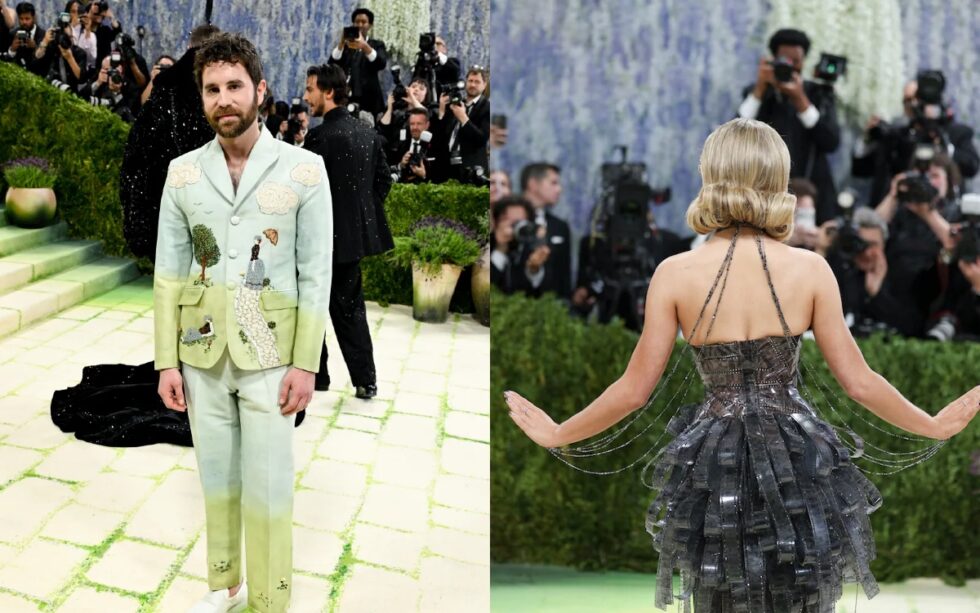
Impressionism and the Play of Light: Monet on the Move
Impressionism made a vivid appearance through garments that prioritized the perception of light over hard lines, echoing the works of Claude Monet and Edgar Degas. Designers utilized millions of micro-tulle strips and hand-painted organza to create a "blur" effect that changed as the wearer walked up the Met steps.
This was fashion acting as an optical illusion, where the color of the dress shifted based on the angle of the photographer’s flash, much like Monet’s Rouen Cathedralseries changes with the sun. This trend underscores the 2026 obsession with "kinetic art"—fashion that is only fully realized through movement and environmental interaction.
- Dua Lipa in Custom Chanel: A gown inspired by Monet’s Water Lilies, featuring a hand-painted silk base with layered translucent beads to simulate water reflections.
- Movement Art: Several guests wore dresses with built-in fiber optics that subtly pulsated to mimic the flickering brushstrokes of a painting.
- The Color Theory: The use of complementary color dabs (pointillism) created a vibrant shimmer that appeared solid from a distance but disintegrated into dots up close.
To achieve an "Impressionist" look in daily life, utilize layering. Wearing a sheer, patterned blouse over a solid camisole creates a depth of color that mimics the layered glazes of an oil painting. Avoid harsh blacks; instead, use deep purples or blues to create shadows, as the Impressionists did.
Surrealism and the Avant-Garde: Dali and Magritte Redefined
The 2026 Met Gala would not be complete without the jarring, intellectual provocations of Surrealism, with several looks taking direct cues from Salvador Dalí and René Magritte. These outfits challenged the viewer’s perception of reality, featuring "disembodied" accessories and gravity-defying structures that turned the wearer into a walking paradox. From melting clocks integrated into corsetry to hats that appeared as floating clouds, Surrealist fashion in 2026 has moved beyond "quirky" into the realm of high-concept social commentary on the digital age and the blurring of truth.
- Janelle Monáe in Thom Browne: A tuxedo that transitioned into a birdcage, referencing Magritte’s The Therapist.
- Optical Illusions: Trompe-l'œil embroidery was used to create the illusion of hands wrapping around the waist or "openings" into a starry night sky.
- The Message: These looks often symbolize the fragmentation of identity in the 2026 social media landscape, where the "self" is a curated, often distorted, work of art.
Surrealism in fashion is best handled with a "one-piece rule." If your garment is a statement piece of art (like a sculptural heel or a bizarrely shaped bag), keep the rest of the outfit minimalist. This ensures the artistic reference is the focal point rather than a costume distraction.
What was the official dress code for the 2026 Met Gala? The official dress code was "Fashion Is Art," which encouraged attendees to treat their looks as direct homages to specific artworks, movements, or the philosophy of aesthetics.
How did designers ensure their looks were historically accurate? In 2026, many houses used AI-driven archival analysis to match paint pigments to fabric dyes and 3D scanning to replicate the structural integrity of historical sculptures.
Were the artworks referenced actually in the Met Museum? While many guests chose works from the Met’s permanent collection (like Greek statues), others referenced global masterpieces from the Louvre, the Uffizi, and private collections.
Is "Fashion Is Art" a permanent trend? In 2026, the industry has seen a massive shift toward "curated wardrobes," where clothes are bought as investments and displayed as art when not in use, suggesting this is a long-term cultural shift.
How can I incorporate the "Fashion Is Art" theme on a budget? Focus on "wearable art" accessories. Hand-painted scarves, artisanal jewelry, or thrifted vintage pieces with unique architectural silhouettes can evoke the theme without the haute couture price tag.
What was the most referenced art movement of the night? Classical Antiquity and the High Renaissance were the most dominant, as they provided the most recognizable silhouettes for the "living masterpiece" concept.
Read about the life of Westminster and Pimlico district, London and the world. 24/7 news with fresh and useful updates on culture, business, technology and city life: When is Olivia Dean at London O2 June 2026 and what songs will she perform live