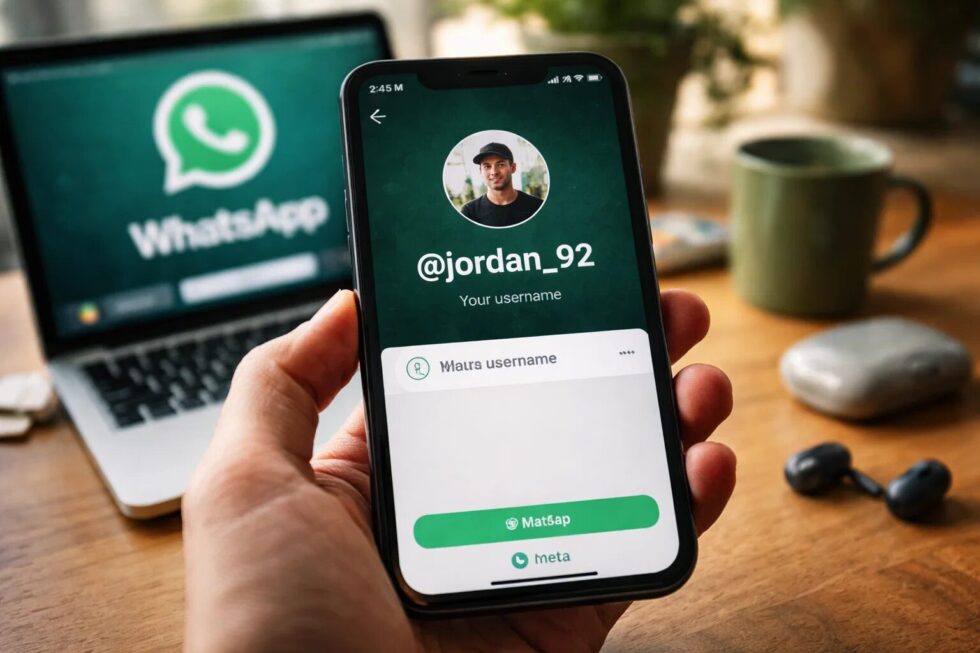
The global messaging paradigm has undergone a fundamental structural transformation as of April 9, 2026, with the official wide-scale deployment of the WhatsApp usernames feature. This update allows the platform's 3 billion users to establish a public identity without the historical requirement of disclosing their private mobile phone numbers to new contacts. By transitioning from a telephony-based directory to an alphanumeric identity system, Meta is directly addressing long-standing security vulnerabilities such as SIM-swapping and metadata harvesting, reports The WP Times, citing WABetaInfo.
Under the new protocol, users can create a unique handle of 3 to 35 characters, providing a secure layer of abstraction that keeps the underlying MSISDN confidential. This shift is particularly critical for the millions of professionals and students who rely on the service for cross-border communication, offering a "privacy-first" alternative to the traditional contact-sharing model.
Technical Syntax and the Prevention of Domain Squatting
The implementation of WhatsApp usernames is governed by strict syntactic parameters to ensure platform integrity and prevent the fraudulent impersonation of brands. Each identifier must contain at least one letter and can include numbers, underscores, and periods. Crucially, the system prohibits the use of "www" or top-level domain endings like ".com" or ".org" within the handle to mitigate phishing risks.
This technical barrier is essential for maintaining the purity of the WhatsApp ecosystem, as it prevents malicious actors from creating accounts that mimic official government or banking portals. For users, the practical advice remains to secure a preferred handle early, as Meta has not yet implemented a "verified brand" protection program for personal accounts.
Key Requirements for Alphanumeric Identifiers
- Character limit: Minimum of 3 and maximum of 35 characters.
- Composition: Must include at least one letter; supports lowercase, digits, and underscores.
- Prohibited strings: Names cannot contain "www" or standard domain extensions.
- Uniqueness: Every handle is globally unique and tied to a single account.
The PIN-Gatekeeper: Understanding the Four-Digit Username Key
Unlike other social platforms where a known handle allows any user to initiate a conversation, Meta has introduced a secondary security layer: the WhatsApp Username Key. This four-digit PIN acts as a digital gatekeeper; even if a stranger discovers your @username, they cannot send an initial message without possessing this specific code.
This prevents the "mass-pinging" often seen on open-directory platforms like Telegram or X. For high-profile individuals or those using the app for public-facing business, this key provides a necessary friction that filters out bot-driven spam and unsolicited solicitations, ensuring that only authorized parties can penetrate the encrypted chat perimeter.
Enhanced Security Measures for New Contacts
- Gatekeeper function: The 4-digit key is mandatory for the very first interaction.
- Anti-spam logic: Prevents automated bots from flooding accounts via username searches.
- User control: You can change your key at any time to revoke access for future requesters.
- Existing contacts: People who already have your phone number do not need the key.
Mitigating SIM-Swap Fraud and Social Engineering Attacks
By decoupling the public identity from the phone number, WhatsApp is effectively neutralizing one of the most common vectors for social engineering. Historically, knowing a target's WhatsApp number allowed hackers to attempt SIM-swap fraud through telecom providers to intercept 2FA codes. With the 2026 update, the phone number remains hidden in the "Settings" layer, known only to the user and the platform’s internal authentication servers.
This "Invisible Number" policy ensures that even in the event of a public data breach on a third-party site, the link between an individual's username and their physical device remains obscured, providing a robust defense for users in high-risk jurisdictions.
Security Benefits of Number Masking
- Identity isolation: Separates your cellular account from your social identity.
- Scrape protection: Prevents bots from harvesting phone numbers in large group chats.
- Phishing defense: Reduces the likelihood of "Smishing" attacks via direct SMS.
- Audit trail: Allows users to track how their username is being shared.
Impact on Academic and Student Collaboration
For the global student community and academic researchers, the 2026 update removes a significant barrier to entry for large-scale digital collaboration. Historically, students joining university-wide group chats were forced to expose their personal phone numbers to hundreds of strangers, leading to privacy concerns and harassment.
With the introduction of the WhatsApp username, students can now participate in peer-to-peer learning groups and research forums while maintaining total anonymity regarding their cellular data. This is particularly beneficial for international students who may change their local SIM cards frequently but wish to maintain a consistent academic identity throughout their degree program.
Group Chat Evolution: Managing Public Community Privacy
The architecture of group messaging undergoes its most radical change in over a decade with the integration of handles. In public communities, the "Member List" will no longer display a long column of phone numbers; instead, it will show the chosen usernames. This transition is vital for activists, hobbyist groups, and community organizers who require a high degree of privacy but need to communicate in real-time.
By utilizing the WhatsApp username system, group admins can now manage memberships more effectively, ensuring that a user’s departure from a group doesn't leave their personal number in the hands of unknown participants.
New Group Management Protocols
- Pseudonymous lists: Member rosters show @usernames instead of digits.
- Admin controls: Ability to restrict group invitations to "Username Key Holders" only.
- Safety transparency: Clearly shows when a user is using a masked identity.
- Searchability: Find specific members within a group without needing their contact card.
Integration with WhatsApp Channels and Public Figures
The 2026 rollout specifically addresses the needs of content creators and public figures who interact with audiences via WhatsApp Channels. Previously, maintaining a personal account on the same device as a public channel carried the risk of accidental number exposure. Now, creators can link a professional WhatsApp username to their channel, allowing followers to inquire or provide feedback through a secure, non-personal alias. This fosters a safer environment for creators, reducing the risk of targeted harassment and "doxing" while maintaining the intimacy and high engagement rates for which the platform is known.
Compliance with the EU Digital Markets Act (DMA)
Meta’s move towards usernames is partly influenced by the 2026 regulatory landscape in Europe, specifically the evolving requirements of the Digital Markets Act regarding interoperability. As WhatsApp prepares to allow messages from third-party apps, a standardized username system provides a neutral "address" that doesn't rely on the fragmented global telephony system.
This ensures that a user on a different encrypted platform can theoretically find a WhatsApp user via their handle without needing access to their private SIM-verified number, fulfilling the interoperability mandates while keeping PII (Personally Identifiable Information) locked behind Meta’s security layers.
Regulatory Compliance Highlights
- Data minimization: Reducing the amount of shared personal data (PII).
- Interoperability prep: Handles serve as universal IDs for cross-app messaging.
- User sovereignty: Giving individuals the legal right to hide their primary identifier.
- Safe Harbor protocols: Ensuring encrypted metadata remains secure during ID searches.
The Role of Usernames in Global Humanitarian Work
In conflict zones and regions where digital surveillance is a constant threat, the ability to communicate without a traceable phone number is a matter of physical safety. NGO workers and humanitarian groups in 2026 have praised the WhatsApp update for allowing them to distribute information to vulnerable populations without creating a digital trail of phone numbers that could be intercepted by hostile actors. The "Username Key" ensures that these communication lines remain private and are only accessible to those who have been verified by the organization, effectively creating a secure, closed-loop communication network within a public application.
Frequently Asked Questions
Do I have to create a username on WhatsApp in 2026? No. The feature is entirely optional. Users who prefer to share their phone numbers as they always have can continue to do so without any changes to their experience.
Can I change my WhatsApp username after I’ve set it? Yes, Meta allows users to change their handle, though there is currently a 14-day "cool-down" period to prevent malicious users from constantly shifting identities.
What happens if someone tries to message my username without the Key? The message will be held in a "Requests" folder or blocked entirely, depending on your privacy settings. They will be prompted to enter the 4-digit key to proceed.
Is my phone number still visible to my existing contacts? Yes. Your current contacts who already have your number in their address book will still see it. The username is designed primarily for new connections.
Can I use a username on WhatsApp Web and Desktop? Yes, the April 2026 update synchronizes username settings across all linked devices, including the new standalone Windows and macOS clients.