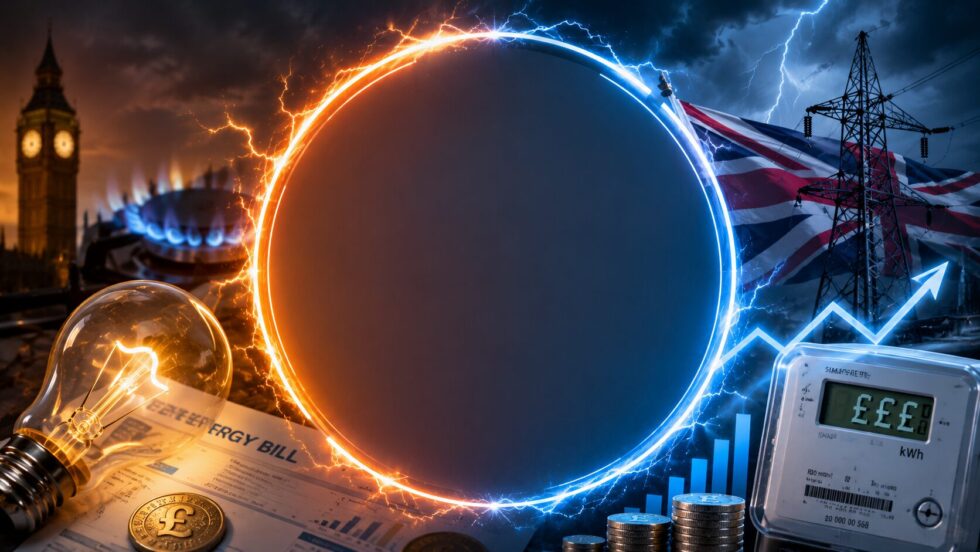
UK TV electricity cost increase fears intensified across Britain after Ofgem confirmed household energy bills will rise sharply from July 2026, with millions of families now facing higher electricity and gas costs as conflict-linked wholesale prices continue affecting the market. The new energy cap means a typical household in England, Scotland and Wales could pay around £1,862 annually, while analysts warn the crisis may extend into winter if instability around the Strait of Hormuz continues disrupting global oil and gas supplies, The WP Times reports as Britain again enters a period of growing consumer anxiety over energy affordability, inflation pressure and rising living costs.
Britain’s latest energy shock arrives after years of post-pandemic inflation and the earlier Ukraine-related gas crisis already pushed many households into debt, but the current surge reflects escalating Middle East tensions following US-Israeli military actions and Iran’s response affecting one of the world’s most critical energy shipping routes. Regulators, suppliers and consumer groups now warn that rising wholesale prices are feeding directly into electricity and gas tariffs, while economists say the UK remains particularly vulnerable because of its continued dependence on global gas pricing for electricity generation and wider energy market stability.
Why UK household energy bills are rising again in summer 2026
The latest Ofgem cap increase represents one of the biggest quarterly jumps since the worst phases of the European energy crisis. Regulators confirmed the rise is primarily linked to wholesale market disruption after instability around the Strait of Hormuz affected oil and liquefied natural gas markets worldwide. Around one fifth of global oil and gas volumes usually pass through the strategic shipping route, meaning any disruption rapidly affects European wholesale markets and British suppliers.
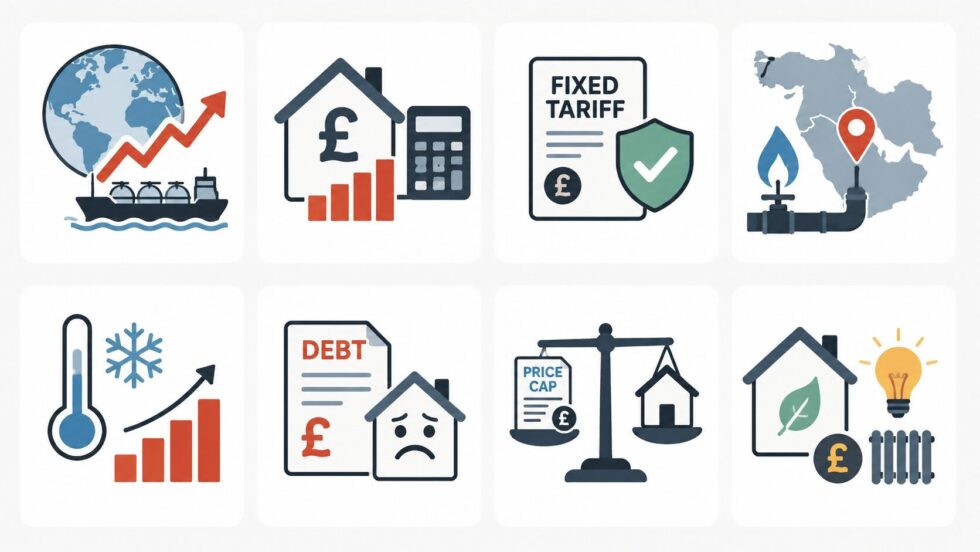
British households on standard variable tariffs will feel the impact immediately from July. Ofgem said annual bills for a “typical” dual-fuel household paying by direct debit would rise by approximately £221 annually. Gas prices are seeing the largest increase, with average gas bills expected to rise by roughly 24%, while electricity bills are increasing by around 5%. Standing charges remain largely unchanged.
The energy cap itself does not place a limit on total bills. Instead, it controls the maximum price suppliers can charge per unit of electricity and gas. This means households using larger amounts of energy will still pay substantially more. Homes with poor insulation, older heating systems or larger families may therefore experience significantly higher annual costs than the “typical” estimate published by Ofgem. Industry analysts also note that Britain’s energy market remains structurally exposed to global volatility because gas continues influencing electricity pricing across much of the grid. Although renewable generation has expanded rapidly during recent years, gas-fired power stations still frequently determine wholesale electricity prices during peak demand periods.
Estimated annual household energy costs from July 2026
| Household type | Estimated annual bill | Gas usage | Electricity usage |
|---|---|---|---|
| Small flat / 1-bedroom | Around £1,172 | 6,000 kWh | 1,600 kWh |
| Medium home / 2-3 bedrooms | Around £1,664 | 9,500 kWh | 2,500 kWh |
| Large family home | Around £2,333 | 14,000 kWh | 3,800 kWh |
Figures are based on Ofgem July–September 2026 calculations and typical consumption estimates.
How the Iran conflict affected UK electricity and gas prices
Energy traders reacted rapidly after fears emerged over possible disruption through the Strait of Hormuz, a maritime route connecting the Persian Gulf to global energy markets. Wholesale natural gas prices across Europe increased sharply as concerns grew regarding shipping security and future supply reliability. Britain imports significant quantities of energy directly and indirectly linked to international gas markets. Even though the UK produces some domestic gas from the North Sea, wholesale electricity prices remain heavily influenced by global market conditions. When gas prices rise internationally, British electricity generation costs also increase because gas-fired stations often set the marginal market price. Analysts say this mechanism explains why geopolitical events thousands of miles away can rapidly affect household bills in London, Manchester, Glasgow and Cardiff. Financial markets price future supply risks immediately, meaning suppliers purchasing energy months ahead pass higher costs into tariffs. Consumer groups warn this latest crisis demonstrates how vulnerable Britain remains to international energy instability despite years of promises about domestic energy security and renewable expansion. Some experts argue that renewable infrastructure growth has reduced exposure somewhat compared with 2022 levels, but wholesale gas still exerts major influence over the system.
Millions already struggling with energy debt across Britain
The latest rise comes as energy debt across Britain continues reaching record levels. Industry data shows millions of households already owe suppliers substantial sums after years of elevated bills and wider inflation pressure affecting food, rent and transport costs. Energy UK estimates household energy debt could approach £7bn by the end of 2026 if prices remain elevated. Average arrears have also increased sharply during recent years, according to debt support organisations and industry analysis. Suppliers are increasingly concerned about repayment levels, particularly ahead of autumn and winter demand spikes.
Many consumers remain unaware that part of current energy bills already includes costs linked to unpaid debt elsewhere in the system. Typical dual-fuel customers effectively contribute additional charges helping suppliers recover growing arrears across the market. Analysts warn this creates a wider affordability spiral affecting even households currently managing repayments. Debt charities say vulnerable consumers face particularly severe pressure, including pensioners, disabled households and low-income families dependent on electric heating or poorly insulated homes. Some organisations are again calling for automatic social tariffs or targeted state support similar to earlier emergency energy schemes introduced during the post-Ukraine energy crisis.
Main concerns raised by consumer groups
- Rising gas costs before winter 2026
- Increasing household debt levels
- Pressure on pensioners and low-income families
- Lack of long-term price stability
- Dependence on international gas markets
- Limited protection for variable tariff customers
- Continued vulnerability to geopolitical conflicts
Consumer advisers also warn that households ignoring growing debts risk entering repayment difficulties later in the year when colder weather increases energy usage significantly.
What Ofgem and analysts say about future electricity prices
Some analysts now believe Britain could experience structurally higher electricity prices for several years rather than a short-term spike. Energy experts argue that the country faces long-term infrastructure costs linked to grid expansion, renewable transition programmes and balancing the electricity system during periods of variable wind generation. Industry forecasts suggest electricity network upgrade costs may rise dramatically through the late 2020s as Britain expands renewable infrastructure and modernises transmission systems. National electricity system planners estimate billions of pounds in investment will be required to support decarbonisation targets, electric vehicle growth and future heating electrification.
Several energy executives recently warned parliamentary committees that even if wholesale gas prices eventually stabilise, electricity bills may remain elevated because of infrastructure spending, balancing charges and network investment costs. Critics argue consumers have not been properly informed about the likely long-term trajectory of electricity pricing. Some economists also question whether pre-2022 energy bill levels will realistically return during this decade. Before Russia’s invasion of Ukraine, many households paid closer to £1,200 annually under standard usage assumptions. Current forecasts suggest such levels may now be difficult to achieve without substantial market restructuring or state intervention.
Could fixed tariffs protect households from future rises?
Suppliers and comparison services are increasingly encouraging households to consider fixed-rate deals while uncertainty remains high. Fixed tariffs allow customers to lock energy prices for a defined period, shielding them from future price cap increases during the contract term. Around 40% of UK households already use fixed deals, meaning they will not immediately experience July’s increase until their existing contracts expire. Some available tariffs currently remain cheaper than the upcoming Ofgem cap, although availability varies by region, payment method and household circumstances.
However, fixed tariffs also involve risk. If wholesale prices fall significantly later in 2026, customers locked into higher rates could miss future reductions. Consumer experts therefore advise households to compare exit fees, contract duration and long-term affordability carefully before switching. Prepayment meter customers often face more limited options. Following earlier controversies involving forced prepayment meter installations, regulators tightened supplier rules and oversight procedures. Consumer groups say additional protections remain necessary for vulnerable households already struggling with debt.
Key questions many households are now asking
| Question | Current answer |
|---|---|
| When do higher bills start? | July 2026 |
| How much is the average increase? | Around £221 annually |
| Are fixed tariffs affected immediately? | No |
| Why are prices rising? | Wholesale market disruption linked to Middle East tensions |
| Could prices rise again in winter? | Analysts warn this remains possible |
| Does the energy cap limit total bills? | No, only unit prices |
Political pressure grows over Britain’s energy future
The renewed energy crisis is increasing political pressure on ministers ahead of autumn economic debates. Opposition parties and consumer campaigners are demanding stronger intervention measures to prevent another winter affordability crisis similar to earlier cost-of-living emergencies.
The government has signalled targeted support may be considered if wholesale prices continue rising, though ministers have not yet confirmed specific measures. Treasury officials remain concerned about inflationary effects because higher energy costs typically influence wider consumer prices, transport costs and business operating expenses across the economy.
Industrial groups are also warning that Britain’s electricity prices continue damaging competitiveness. Manufacturing organisations and business associations say UK industrial electricity costs remain among the highest in developed economies, creating pressure on investment and long-term production growth.
Energy transition supporters meanwhile argue the latest crisis demonstrates why Britain should accelerate renewable deployment and reduce exposure to imported fossil fuels. Critics respond that infrastructure costs linked to the transition are themselves contributing to long-term electricity price pressure for consumers.
What households can do now before winter 2026
Financial advisers say households should begin preparing early rather than waiting for colder months. Energy charities recommend reviewing tariffs, monitoring direct debit levels and improving household efficiency measures where possible before autumn demand rises.
Simple actions such as reducing standby electricity usage, improving insulation, servicing boilers and using smart meters more actively may help reduce costs modestly. However, consumer groups acknowledge such measures alone cannot offset major wholesale-driven increases affecting the national market.
Debt support organisations are also urging struggling households to contact suppliers early rather than ignore repayment difficulties. Suppliers are required to discuss repayment plans and support options for vulnerable consumers under current regulatory rules. Analysts warn that further escalation in Middle East tensions could continue affecting wholesale markets through late 2026. Much now depends on global shipping stability, geopolitical developments and whether energy markets regain confidence over long-term supply security before winter demand intensifies.
Five major factors influencing UK electricity prices in 2026
- Global gas market volatility
- Strait of Hormuz shipping risks
- UK electricity grid upgrade costs
- Renewable balancing and infrastructure expenses
- Seasonal winter demand pressure
Britain’s energy market therefore enters the second half of 2026 under renewed uncertainty, with households, suppliers and policymakers all closely watching whether international tensions ease before colder weather returns.
Top questions and detailed answers
Why are UK electricity and gas bills rising again in 2026
Household energy bills are increasing mainly because wholesale gas prices surged after escalating tensions in the Middle East affected global oil and gas markets. Energy traders reacted to instability around the Strait of Hormuz, a critical shipping route through which a large share of global oil and liquefied natural gas normally passes. Britain remains heavily connected to international gas pricing, meaning global disruptions quickly affect domestic electricity and heating costs. Ofgem confirmed the new price cap increase would affect millions of homes across England, Scotland and Wales from July 2026.
How much will the average UK household pay under the new Ofgem cap
Ofgem said a typical household using gas and electricity and paying by direct debit could face annual costs of around £1,862 from July 2026. That represents an increase of roughly £221 per year compared with the previous quarter. Actual costs will depend on energy usage, property size, insulation quality and household heating systems. Homes with higher gas usage may see significantly larger increases during colder months.
Are fixed energy tariffs safer during the current crisis
Many analysts and price comparison services say fixed tariffs may provide some protection against future price increases, especially if wholesale energy markets remain unstable through winter 2026. Customers on fixed deals are protected from immediate price cap movements until their contract ends. However, fixed tariffs can also become more expensive if wholesale prices later fall sharply. Experts recommend comparing exit fees, contract length and overall affordability before switching.
Why does conflict in the Middle East affect UK electricity prices
Although Britain generates part of its electricity domestically, gas still plays a major role in setting wholesale electricity prices across the national grid. When global gas prices increase because of geopolitical instability, electricity generation costs often rise as well. Financial markets immediately react to supply risks, meaning energy suppliers face higher purchasing costs that later feed into household tariffs. Analysts say this remains one of the biggest structural weaknesses in the British energy market.
Could UK energy bills rise even further in winter 2026
Energy suppliers and economists warn further increases remain possible if international tensions continue affecting global energy markets later this year. Winter demand traditionally places additional pressure on gas supplies and electricity generation across Europe. If wholesale prices remain elevated or shipping disruption worsens, Ofgem’s future price cap calculations could rise again during colder months. Consumer groups therefore expect continued uncertainty heading into autumn and winter.
Why are millions of British households already in energy debt
Britain has experienced several years of elevated living costs following the pandemic, inflation shock and earlier Ukraine-related energy crisis. Many households accumulated arrears while trying to keep up with rising gas and electricity payments. Industry estimates now suggest total household energy debt could approach £7bn by the end of 2026. Consumer organisations say vulnerable groups including pensioners, disabled households and low-income families remain particularly exposed.
Does the Ofgem price cap limit total household bills
No. The Ofgem cap only limits the maximum price suppliers can charge per unit of gas and electricity under variable tariffs. Households still pay based on actual energy usage. This means larger homes or families using more heating and electricity can face substantially higher bills than the “typical household” estimate published by Ofgem.
What can households do now to reduce energy costs
Consumer advisers recommend reviewing tariffs early, monitoring direct debit levels and improving household efficiency before winter arrives. Practical measures include reducing standby electricity usage, improving insulation, servicing boilers and using smart meters to track consumption. Households struggling with repayments are also advised to contact suppliers early to discuss repayment plans and available support schemes rather than allowing debts to grow further.
Read about the life of Westminster and Pimlico district, London and the world. 24/7 news with fresh and useful updates on culture, business, technology and city life: Trooping the Colour 2026: 13 June Route, Road Closures, Mall Times and Best Free Viewing Spots Guide