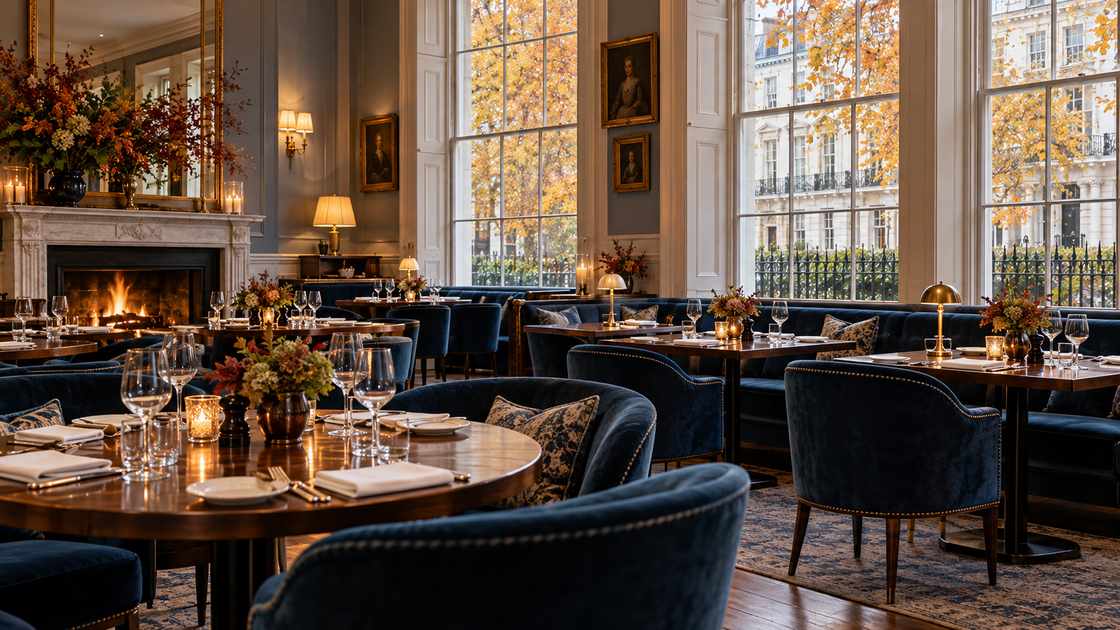
New London restaurants in October 2026 include Dishoom Borough’s soft launch at the Hop Exchange and Endo Kazutoshi’s ten-seat Chelsea counter, but their access arrangements differ sharply. Dishoom advertises 50% off food until 14:00 on Tuesday 20 October, with its soft-launch reservations full and walk-ins welcome. Endo’s current website directs guests to a waiting list for November and December. Bubala lists its Covent Garden address at 14 Garrick Street, while Spring Street publishes separate restaurant and bar hours in Southwark, reports The WP Times.
For diners planning the week of 13–19 October, the useful distinctions are between a confirmed opening, an advertised offer, an available reservation and a restaurant that already trades. A launch date does not guarantee a table, a food discount does not halve every item on a bill, and a sample menu does not guarantee every dish at a future sitting. This updated guide uses the venues’ own addresses, menus and booking notices, together with official food-safety and transport information. It does not present the reporting as a restaurant review or claim that every venue listed is newly opening today. Prices and availability should be checked for the actual booking before travel or payment.
New London restaurants: what is confirmed at Dishoom Borough and Endo Chelsea?
Dishoom’s Borough page places the café at the Hop Exchange, 11–13 Park Street, SE1 9AB. Its soft launch began on 12 October and advertises half-price food while the team completes training. The deadline is specific: 14:00 on 20 October. The page says reservable soft-launch tables are full but walk-ins are welcome. That establishes an admission route, not a promise about the length of the queue or the number of tables available when a diner arrives. An early-afternoon visit cannot be described as the best guaranteed opportunity without information from the venue about that service.
| Venue | Address verified with the venue | What the current source establishes | What needs a separate check |
|---|---|---|---|
| Dishoom Borough | Hop Exchange, 11–13 Park Street, SE1 9AB | Soft-launch food offer ends at 14:00 on 20 October; walk-ins welcome | Queue, seating and the bill’s treatment of drinks and service |
| Endo Chelsea | 8–9 Blacklands Terrace, SW3 2SP | Ten seats; current website directs November and December guests to a waiting list | A confirmed cancellation place, menu price and booking terms |
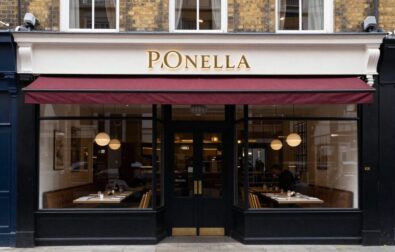
| Bubala Covent Garden | 14 Garrick Street, WC2E | Venue page, booking route and sample menu categories | The date and sitting selected in the booking system |
| Spring Street | Arch 32–33, Southwark Quarter, Southwark Street, SE1 1TE | Separate restaurant and bar schedules | The service and seating area being reserved |
Dishoom’s half-price food offer and the rest of the bill
Dishoom’s all-day menu says it is served from noon and explains the dietary symbols used beside dishes. It also lists an optional service charge of 12.5%. A soft-launch offer described as half-price food should be read at that scope: it does not itself establish a discount on drinks, a particular treatment of service or an exemption from other conditions. A diner can ask staff how the offer is applied before ordering. That is relevant when several people share dishes and divide the eventual bill. The restaurant’s statement about the service charge is separate from its launch promotion, so the two should not be combined into an invented all-inclusive price.
For a simple comparison, list the food subtotal, drinks, any added service and the number of people sharing. A menu price per dish is different from the price per person, and a shared plate has no fixed per-person cost without an agreed division. A discount can reduce one part of an evening while leaving the rest unaffected. Ask whether the offer applies to the sitting and food being ordered, particularly near its deadline. A diner arriving on the final afternoon should not assume the promotion continues throughout the evening. The published end time is more useful than a general statement that the discount runs “until Tuesday”.
Dishoom’s café FAQs explain its general reservation and walk-in approach, including different rules for evening groups. Those general arrangements should be considered alongside the more specific Borough soft-launch notice. The FAQs also say the business operates primarily as cashless, while asking guests whose only option is cash to tell their server on arrival. Its accessibility information directs customers to the relevant café page. Someone arranging a group visit can therefore check seating, payment and access before setting out. A general brand policy should not be treated as confirmation that every requirement can be accommodated at every time in a new venue.
Endo Chelsea’s ten-seat counter and current waiting list
Endo’s official Chelsea website describes a ten-seat restaurant and currently says November and December are fully booked, with a waiting list for cancellations. The wording is newer and more specific than a report that the counter is full only until the end of October. A waiting-list registration is an expression of interest rather than a confirmed reservation. A cancellation offer also needs its own date, time, number of seats and acceptance conditions. Guests should use the restaurant’s stated route and retain any confirmation. Neither the size of the counter nor its reputation establishes that a place will become available for a particular evening.
The official location page confirms 8–9 Blacklands Terrace, SW3 2SP, and the reservations contact. This matters because Endo’s earlier London restaurant and the Chelsea counter are different locations. A map or article naming the chef does not necessarily identify the current venue intended for a booking. Compare the address in the confirmation with the address entered into a journey planner. A restaurant move can leave older search results visible alongside current information. The precise street and postcode are therefore more reliable practical details than an undated reference to the chef’s London restaurant.
“Within the silence of ten seats, the passage of generations.” (Endo Kazutoshi, statement on his Chelsea restaurant website, checked 13 October 2026.) In his published statement, Kazutoshi describes the new restaurant in terms of his sushi practice, inheritance and return to its origins. Those are the chef’s own words about the project, rather than an independent judgment about its cooking. The counter format indicates that guests are booking a particular experience and sitting. Anyone with a dietary requirement should establish whether it can be accommodated before accepting a place, rather than assume a course-by-course meal has the same flexibility as choosing individual dishes from an à la carte menu.
The earlier version of this guide stated an Endo price of £305 per person. That figure appears in published secondary reporting, including Wallpaper, but a current price was not shown on the official pages checked for this update. Guests should obtain the price and inclusions through the actual booking process. Drinks, service, deposits and cancellation arrangements need to be identified separately. The absence of a price on the public page is not evidence that dining is free or that an older figure remains unchanged. This revision therefore avoids presenting the secondary figure as a currently verified official tariff.
Endo’s MOGA page describes the bar through the chef’s travels and says further information will be shared. The public page checked does not establish an unrestricted walk-in service or a confirmed opening date for general customers. A restaurant reservation and admission to an associated bar are separate questions. Someone considering a visit for drinks alone should check the bar’s actual access arrangements. An earlier report of a future opening should retain its date and attribution rather than become an unconditional instruction to arrive. The venue’s own current information is the relevant starting point for resolving that difference.
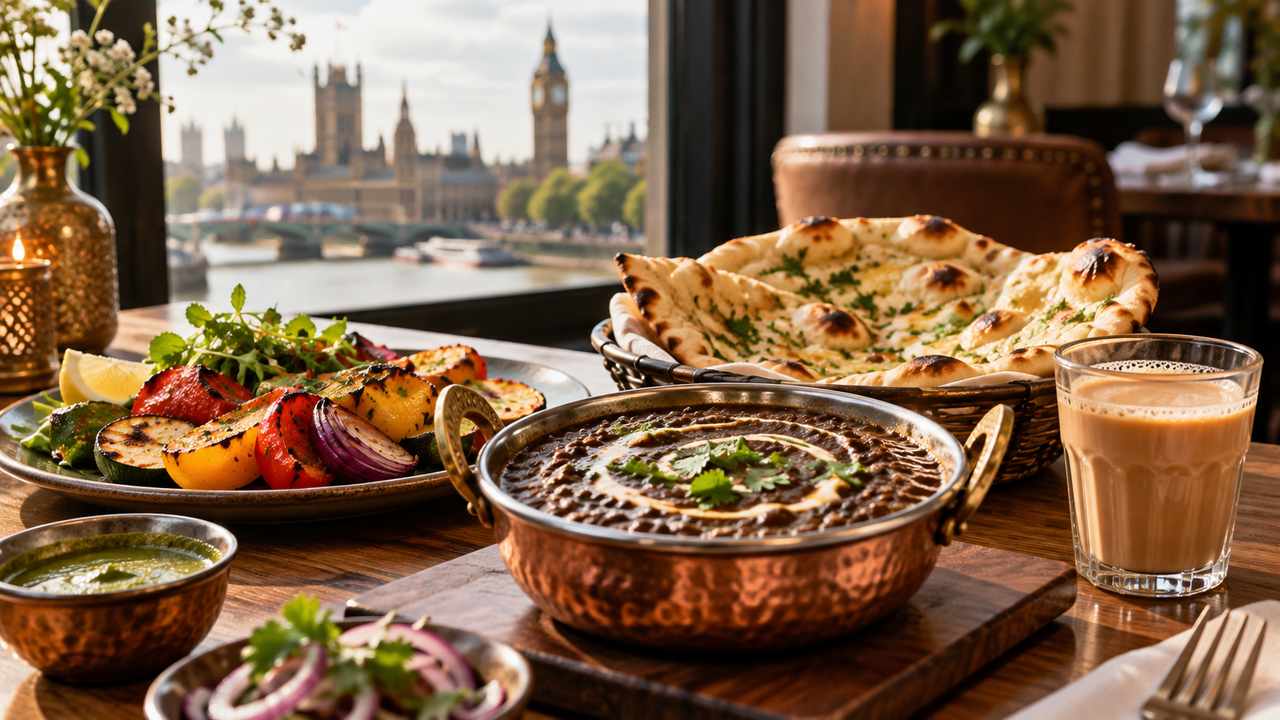
Bubala Covent Garden and Spring Street: how do menus, bookings and opening hours compare?
Bubala’s Covent Garden page confirms its Garrick Street location and links to a booking route. It publishes sample categories for an à la carte menu, lunch mezze and vegetarian and vegan versions of Bubala Knows Best. A sample gives an indication of the format; it is not a contract that every listed dish will be served at a later sitting. The current venue page does not, by itself, establish the date on which each reservation becomes available. Diners should check the specific date in the booking system and distinguish a published restaurant page from confirmation of an accepted table.
Comparing a shared menu with an individual meal price
A set menu needs to identify whether the price is per person, how many diners must participate and what is included. An à la carte table sharing several dishes needs a different calculation. Drinks, desserts and service can alter the final amount even when the food format appears similar. When comparing two restaurants, record the same components for each instead of comparing one venue’s food-only price with another’s complete bill. A vegetarian menu also does not imply that all dishes are vegan or suitable for every allergy. These are separate checks that should be made with the venue and the current menu, particularly for a mixed group.
The earlier article gave a £39 Bubala set-menu price and a 19 October opening date. The public page checked for this revision provides the address, sample menu categories and booking link, but does not independently confirm those details in its visible text. They should therefore be checked through the relevant current menu and booking record before being used as the basis of a visit. A number carried forward from another venue or an earlier announcement can be accurate in its original context yet unsuitable for a new reservation. Keeping the branch, menu version and date together prevents that confusion.
Spring Street’s restaurant and bar are different services
Spring Street’s official site describes New York-inspired 18-inch pizzas and identifies chef Tom Kemble with the operation. Its visit page lists the address beneath the railway arches in Southwark. The restaurant’s published hours are Tuesday to Saturday, noon to 22:00, and Sunday, noon to 21:00, with Monday closed. The bar is listed Tuesday to Saturday from 16:00 until late, closed Sunday and Monday. Those schedules demonstrate why “the venue is open” can be an incomplete answer: the kitchen and bar do not necessarily operate at the same time or on the same days.
The official pages checked do not substantiate the earlier article’s claim that Spring Street’s bar first opens on 13 October. This guide therefore identifies it as a relevant Borough dining and bar option without assigning that unverified launch date. The distinction does not reduce the usefulness of its address, menu or schedule. It prevents an established operation from being misrepresented as a new opening merely because it appears in an October list. A confirmed first-service date would need an announcement or another directly verified record specific to the bar. The fact that Tuesday is a published trading day is not that record.
The Spring Street menu lists 18-inch pizzas that can be ordered whole or as a half-and-half sharer. Examples on the published menu include a £28 Margherita and £24 classic marinara, with an additional £2 for the half-and-half option. Extras and sides have their own prices. Dividing one pizza’s cost between two people is an arithmetic example rather than evidence of the portion each diner will want. The menu also asks guests to tell staff about allergies and dietary requirements. A stated vegan option or halal option should be checked for the actual dish being ordered, rather than applied to the whole menu.
The booking page says reservations are available for both the restaurant and bar, with a separate contact route for group arrangements. The distinction should appear in the reservation itself. A bar table might suit drinks but does not establish that a guest has reserved the intended restaurant service or food format. Groups should state their size, preferred area and whether everyone plans to eat. A booking enquiry and an accepted reservation also have different status. Until the venue provides confirmation, travel plans should not assume the requested number of seats or time has been secured.
| Dining question | Detail to confirm with the venue | What the answer establishes |
|---|---|---|
| Is this a reservation or walk-in? | Date, time, party size and seating area | Whether a table has actually been allocated |
| What does the quoted price include? | Food, drinks, service and supplements | The components of the expected bill |
| Can the menu accommodate the group? | Dietary requirements and any set-menu conditions | Whether the proposed meal is suitable |
| How does cancellation work? | Deadline, deposit and possible charge | The terms attached to the accepted booking |
| Is the entrance suitable? | Steps, doors, toilet access and seating | The venue’s access arrangements |
| Is the bar operating at that time? | Bar schedule and food availability | Whether the intended service is running |
Visiting London restaurants in October: food information, accessibility and travel checks
The Food Standards Agency’s food hygiene ratings service allows searches by business name and location. A rating describes hygiene standards assessed by the local authority rather than the quality of cooking or the style of service. Check the establishment’s address and inspection date when identifying a result. A chain can have several branches with different records, and a restaurant name can change after a business takes over premises. This guide does not assign a rating to the venues above without checking their particular records. A review, opening announcement and hygiene rating answer different questions and should not be substituted for one another.
A new opening and an inspection record are not interchangeable
The FSA’s scheme standard explains the treatment of a new food business and an establishment awaiting inspection. A change of operator can require a new record and rating rather than retention of the previous operator’s result. A change of name alone is treated differently. “Awaiting inspection” is therefore a specific status, not a numerical rating and not proof of either good or poor hygiene. Diners comparing records should identify the operator and premises concerned. The fact that another restaurant once traded from the same address does not establish the new operation’s inspection outcome.
Allergy information should be checked for the actual meal
The FSA’s eating-out advice says diners should speak to the restaurant each time and explain the food allergy or intolerance clearly. A dish previously eaten without difficulty should not be assumed unchanged: ingredients, recipes and staff can change. That is particularly relevant to a launch, sample menu or course-by-course format. Ask the venue before booking and repeat the information when ordering so the team serving the meal has it. A general dietary preference and a food allergy require different information. The relevant answer concerns the actual dish and kitchen arrangements, rather than reassurance based only on the restaurant’s cuisine or reputation.
The FSA’s vegan-food guidance distinguishes a vegan description from an allergen-free claim. Vegan food can still present a cross-contamination risk involving animal-derived allergens. A diner avoiding milk or eggs because of an allergy therefore needs more than the word vegan on a menu. The same principle applies when selecting food for another person: ask about their specific requirements and communicate them to the restaurant. This is a food-information issue, not a judgment about any venue above. A dietary category can help narrow choices, but it does not replace the information needed to assess an individual meal.
The FSA’s business guidance also notes that people can react to foods outside the 14 regulated allergens. A diner should therefore name the ingredient of concern rather than assume it will appear in every standard menu key. Written information and a conversation with staff have complementary purposes. The menu can identify what is documented, while staff can explain the current dish and how the kitchen handles a request. If a requirement cannot be accommodated, that answer should be established before committing to a reservation with payment or cancellation conditions. An empty allergen symbol is not a substitute for a clear answer.
Plan the journey to the street address and check access separately
Transport for London’s accessible journey planner guidance allows routes to addresses and postcodes with preferences for walking, changes, stairs and escalators. Enter the restaurant’s actual address, not simply its neighbourhood. The easiest route to Borough can differ according to the starting point and the particular street. A station nearby on a map does not establish a suitable entrance, platform connection or walking route. A journey for someone who cannot use stairs needs its own settings. The restaurant’s accessibility should then be checked separately, because a suitable transport route cannot establish the conditions inside a private venue.
TfL’s wheelchair and stair-avoidance guidance distinguishes access to platforms from the remaining step or gap onto a train. This matters for an outward and return journey as well as interchanges. Lift availability can change, so a route selected earlier should be checked before departure. A station’s step-free label is useful information but does not remove the need to examine the complete journey. Dining companions should agree the meeting point and allow for the route actually being used. A timetable based on an assumed shortcut can create a problem when a reservation has a specific arrival time.
The TfL Go explanation describes live arrival information, disruption checks and routes with step-free preferences. It also provides walking options and station facilities. These tools allow a diner to compare an Underground journey with a bus or walking route using current information. An October dining guide cannot give a lasting guarantee that a line, lift or station will be operating normally at the moment of travel. Check the return as well as the outward route, particularly for a late meal. The relevant planning detail is the service available when the meal ends, rather than the route that was convenient earlier in the afternoon.
For a group booking, a useful shared plan records the venue’s address, accepted time, party size, dietary information, access needs and the applicable cancellation deadline. It should distinguish a confirmed reservation from a waiting-list request and identify who holds the confirmation. The bill can be discussed in advance by separating food, drinks, service and any deposit already paid. These details make the plan usable without assumptions about the restaurant’s flexibility or the availability of another table. The dates and terms in the current venue record remain the basis of the visit, including when an opening announcement or older dining guide gives a different impression.
Materials used: Dishoom Borough, Dishoom all-day menu, Dishoom café FAQs, Endo Chelsea, Endo Chelsea location information, Endo Kazutoshi statement, MOGA, Endo at the Rotunda, Bubala Covent Garden, Spring Street official website, Spring Street menu, Spring Street visit and booking information, Wallpaper, Food Standards Agency food hygiene ratings, Food Standards Agency allergy and vegan-food guidance, Transport for London accessible journey guidance, TfL Go