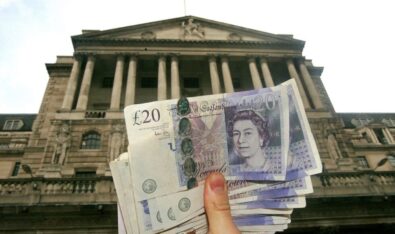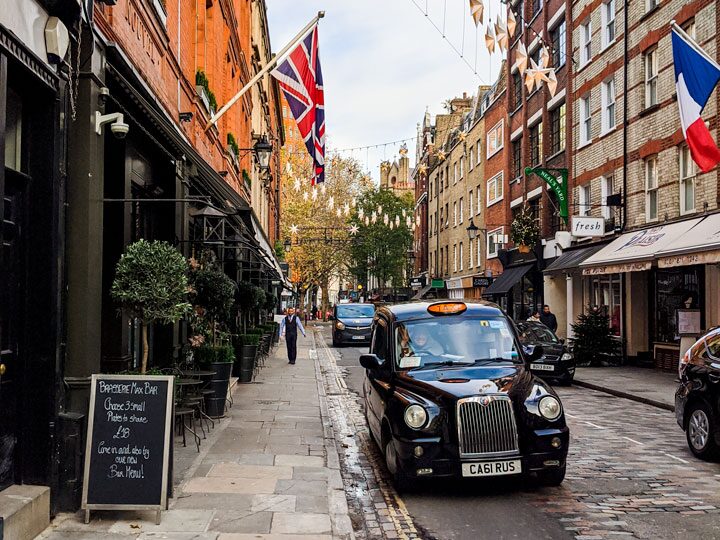
London has always been one of the most vibrant cities in the world, attracting millions with its cultural life, career opportunities, and global influence. But as the cost of living crisis deepens, more residents are asking whether London is becoming too expensive to call home. Rising housing prices, escalating transport fares, and the increasing cost of everyday essentials are forcing many to rethink their future in the British capital. According to The WP Times, 2025 may mark a turning point where affordability becomes the defining challenge for Londoners.
Housing market in london
The London housing market continues to be one of the most expensive in Europe. In 2025, the average monthly rent for a one-bedroom flat in central London has reached nearly £2,300, while even in outer boroughs the cost is rarely below £1,400. Property prices have also surged, with the average home now valued at £540,000, compared to the UK average of £290,000. Younger generations, especially millennials and Gen Z, face enormous barriers to ownership. Government schemes such as “Help to Buy” have expired, and mortgage interest rates remain significantly higher than pre-2020 levels. As a result, many residents are either sharing flats with multiple tenants or moving to commuter towns like Luton, Reading, and Milton Keynes, where housing is more affordable but commuting costs are high.
Key housing facts in 2025:
- Average rent (1-bedroom central London): £2,300/month
- Average rent (1-bedroom outer boroughs): £1,400/month
- Average house price London: £540,000
- Average house price UK: £290,000
- Popular cheaper commuter towns: Luton, Reading, Milton Keynes
- Mortgage rates: 5–6% (average fixed deals)
Cost of public transport
London’s public transport is efficient but far from cheap. Transport for London (TfL) increased fares by 4.9% in March 2025, making commuting more expensive than ever. A monthly Travelcard for zones 1–2 now costs £168, while zones 1–6 reach £260. Oyster card and contactless payments remain the main systems, but even these do little to ease the financial pressure. Compared with other European capitals, London stands out as one of the priciest cities for commuting, with costs often exceeding 10% of an average worker’s salary. While there are discounts for students, seniors, and low-income residents, most professionals find commuting to work in London a significant financial burden.
Average transport fares (2025):
| Ticket Type | Price 2025 | Notes |
|---|---|---|
| Single Tube (Zone 1) | £3.70 | Contactless or Oyster |
| Bus single journey | £1.75 | Flat fare across all zones |
| Monthly Travelcard 1–2 | £168 | Unlimited travel |
| Monthly Travelcard 1–6 | £260 | Unlimited travel |
| Annual Travelcard 1–6 | £2,704 | Paid upfront, small savings |
Groceries and daily essentials
The cost of groceries has risen by nearly 15% compared to 2023, with inflation hitting essentials like bread, milk, and vegetables. A litre of milk costs around £1.40, while a loaf of bread averages £1.50–£2.20 depending on the brand. Dining out has also become more expensive, with the average price of a cappuccino reaching £3.50 and a mid-range restaurant meal costing between £20 and £25 per person. Supermarkets such as Tesco, Sainsbury’s, and Waitrose remain popular, but many Londoners are switching to Aldi and Lidl to save money. Rising energy bills have added extra pressure, with average household gas and electricity expenses reaching £250 per month.
Everyday costs in 2025:
- Milk (1 litre): £1.40
- Bread (loaf): £1.80 average
- Cappuccino: £3.50
- Restaurant meal (per person): £20–25
- Monthly utilities (electricity, gas, internet): £250–300
- Gym membership: £45–60
Impact on londoners and migration trends
As living costs rise, many middle-income families are leaving London for smaller UK cities. Birmingham, Manchester, and Leeds have become attractive alternatives, offering lower rents and comparable career opportunities in technology, finance, and creative industries. Remote work has further accelerated this trend, allowing professionals to keep London-based jobs while living elsewhere. However, London still attracts international talent and students, particularly in finance, law, and media, although they often accept higher living costs in exchange for career prospects. The divide between wealthy residents who can afford prime central locations and those forced into long commutes continues to widen.
Migration observations:
- Families moving to Birmingham, Manchester, Leeds.
- Rise in commuter towns around London.
- Students and expats still attracted by opportunities.
- Growing socio-economic gap between central and suburban residents.
Can london remain liveable in 2025
The question of affordability is central to London’s future. While the city remains a global financial hub with immense cultural value, its high living costs may threaten its diversity and long-term sustainability. Policy makers are under pressure to expand affordable housing projects, cap rent increases, and subsidize public transport. If these measures fail, London risks losing young talent and becoming a city reserved for the wealthy. At the same time, community resilience and innovation remain strong — from food banks and cooperative housing projects to local initiatives aimed at reducing costs. The coming years will determine whether London can balance its role as a global capital with the need for inclusivity and affordability.
Possible solutions under discussion:
- Expansion of affordable housing schemes.
- Freezing or slowing down rent increases.
- Government subsidies for energy bills.
- Discounted transport passes for low-income groups.
- Support for local markets and food co-ops.
Survival guide: how to save money in london in 2025
Living in London does not have to mean financial struggle if you know where to look for savings. Many residents have developed strategies to keep costs manageable without sacrificing quality of life. Housing remains the biggest expense, so flat-sharing is often the first solution. Websites like SpareRoom and OpenRent allow people to find rooms at significantly lower prices compared to renting an entire flat. For students, university accommodation or co-living spaces can be far more affordable.
Transport can also be optimized by planning journeys smartly. Using weekly or monthly Travelcards instead of daily tickets saves considerable amounts, and off-peak travel reduces costs further. Cyclists benefit from London’s growing network of cycle lanes, and Santander Cycles offers affordable short rides for £2 per 30 minutes. Car ownership, on the other hand, is increasingly expensive due to congestion charges, parking, and fuel prices.
Groceries can be made cheaper by combining bulk shopping at Lidl, Aldi, or Asda with fresh produce from local street markets. Borough Market and Brixton Market are well-known, but smaller neighborhood markets often provide the best deals. Apps like Too Good To Go allow Londoners to purchase surplus food from restaurants and cafes at a fraction of the price.
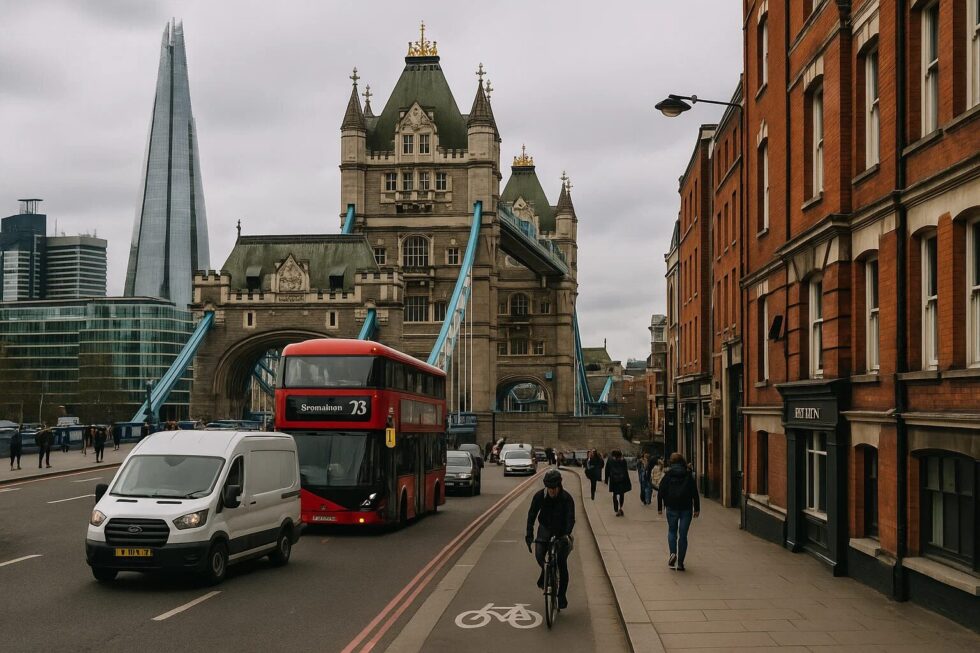
Practical survival tips for Londoners:
- Use SpareRoom or OpenRent for flat-sharing opportunities.
- Choose outer boroughs with fast transport links to central London.
- Buy a monthly Travelcard instead of paying per ride.
- Cycle or walk short distances instead of using the Tube.
- Shop at Aldi, Lidl, or local street markets for groceries.
- Use Too Good To Go app to save on meals.
- Limit eating out — cook at home and meal-prep weekly.
- Take advantage of free cultural events, museums, and parks.
monthly savings ideas for londoners
| Category | Standard Cost (per month) | Alternative / Hack | Estimated Saving |
|---|---|---|---|
| Rent (1-bed flat, central) | £2,300 | Flat-share via SpareRoom (~£950 per room) | £1,350 |
| Transport (daily pay-as-you-go) | £280 | Monthly Travelcard zones 1–2 (£168) | £112 |
| Groceries (Waitrose, mid-range) | £350 | Lidl/Aldi + street markets (£220) | £130 |
| Eating out (8 meals/month) | £200 | Cooking at home + meal prep (£80) | £120 |
| Gym (premium chain) | £70 | Council leisure centre (£40) | £30 |
| Coffee (20 café cappuccinos) | £70 | Home-brewed coffee (£25) | £45 |
| Entertainment (cinema, events) | £100 | Free museums, outdoor events (£40) | £60 |
Total potential monthly saving: £1,847
Annual saving if applied: over £22,000
London in 2025 remains a city of opportunity, but affordability is now its biggest test. With housing costs among the highest in Europe, rising transport fares, and everyday expenses climbing, many residents are forced to adapt through flat-sharing, budget shopping, and smarter commuting. At the same time, London continues to attract global talent and culture, proving its resilience as a world capital. The challenge ahead is to balance growth with inclusivity — ensuring that the city stays liveable not just for the wealthy, but for students, workers, and families who bring its streets to life. For those willing to plan carefully, London can still be both inspiring and manageable.
Read about the life of Westminster and Pimlico district, London and the world. 24/7 news with fresh and useful updates on culture, business, technology and city life: London Underground, Overground, Elizabeth Line and DLR: Full September 2025 Closure Calendar
Photo: The Portable Wife