The UK government is preparing to announce changes to how business rates are calculated for pubs in England, easing the sharp increases many landlords were facing from April after pandemic-era support was withdrawn. Treasury officials say the move reflects the financial strain across the pub sector following higher property valuations and rising operating costs, and an announcement is expected within days. As reports The WP Times, citing Treasury sources, the revisions are designed to reduce the scale of the increases rather than cancel them entirely.
Business rates are a property tax paid by commercial premises and are calculated by multiplying a building’s “rateable value” — an estimate of annual rental value — by a government-set multiplier. In recent revaluations, many pubs saw their rateable values rise sharply, reflecting higher commercial rents in parts of England, particularly in city centres and tourist locations. That meant that when Covid-era discounts were due to expire in April, thousands of pub operators were facing steep increases in their tax bills.
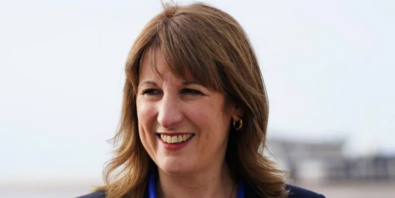
In her November Budget, Chancellor Rachel Reeves confirmed that the emergency business-rates relief introduced during the pandemic would be reduced from 75% to 40% and then removed completely from April 2026. Combined with the new rateable values, the decision left many pubs facing significantly higher costs at a time when energy prices, wages and borrowing costs remain elevated.
How the government is expected to change pub business rates
Treasury officials say ministers are now finalising technical changes to how pub bills are calculated, rather than introducing a new subsidy scheme. The objective is to reduce the scale of the increases while keeping the overall tax framework intact.
The main tools available to the Treasury include adjusting the business rates multiplier for pubs or expanding the transitional relief system that spreads increases over several years. Both mechanisms directly affect how quickly and how much bills rise following a revaluation.
Options under consideration
| Policy lever | How it works | Impact on pubs |
|---|---|---|
| Lower pub multiplier | Reduces the number used to calculate pub rates bills | Immediately cuts annual tax payable |
| Transitional relief | Limits how fast bills can rise year to year | Delays the full impact of higher valuations |
| Targeted pub relief | Direct discount applied to pubs only | Reduces total tax owed |
| Licensing reforms | Longer hours and more outdoor drinking | Increases potential revenue rather than cutting tax |
Treasury officials have indicated that one or more of these measures will be used, though final decisions are still being taken.
Why pub bills were rising so sharply
The latest business rates revaluation reassessed the rental value of every commercial property in England. In many areas, particularly city centres and tourist zones, commercial rents rose significantly as footfall recovered after Covid. Because pubs occupy large, prominent premises, they were disproportionately affected.
At the same time, pandemic-era relief was being withdrawn. During Covid, pubs received up to 75% off their business rates to keep them afloat while trading was restricted. That support was always temporary. The combination of higher rateable values and the removal of discounts created what industry groups described as a “double shock” for the sector.
What changed from April 2026
| Before | From April 2026 |
|---|---|
| 75% business rates discount | 0% discount |
| Old rateable values | New, higher rateable values |
| Pandemic relief schemes | Ended |
| Lower effective tax bills | Full exposure to revaluation |
For some pubs, this translated into increases of tens of thousands of pounds per year.
Political and industry pressure on the Treasury
The scale of the increases triggered an unusually coordinated campaign by pub operators. More than 1,000 pubs reportedly barred Labour MPs from entering over Christmas, a move designed to draw attention to the issue in MPs’ own constituencies.
Trade groups warned that sudden tax rises would lead to closures, job losses and empty high-street properties. They also argued that the business rates system penalises physical venues compared with online businesses. Labour MPs from pub-heavy constituencies echoed those concerns, urging Chancellor Rachel Reeves to revisit the Budget decision. Government sources say that internal pressure from within the party was a key factor behind the shift in policy.
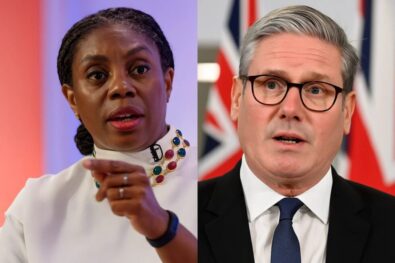
Opposition politicians also seized on the issue. Conservative leader Kemi Badenoch said the government had been forced into a reversal, while proposing her own party’s alternative of scrapping business rates for many high-street businesses.
What the changes could mean for pubs
Although full details are still expected, Treasury officials say the aim is to prevent the steepest increases rather than freeze bills at current levels. That means pubs will still see higher rates over time, but the rises should be smaller and more gradual. For many landlords, that distinction is critical. Business rates are paid regardless of profit, so sudden jumps can strain cash flow even in otherwise viable businesses.
The proposed licensing changes — such as allowing longer opening hours and more outdoor seating — are designed to support revenue rather than tax bills. Ministers see this as a way of helping pubs offset higher fixed costs.
Will cafés and restaurants benefit too
One unresolved question is whether the support will apply only to pubs or extend to the wider hospitality sector. Cafés, restaurants and bars are subject to the same revaluation pressures, but pubs have become the political focal point because of their role in local communities. Trade bodies representing the broader hospitality industry are pushing for a sector-wide approach, warning that selective relief could distort competition. Treasury officials have not ruled out a wider package, but say any extension would increase the cost to the public finances.
Why business rates remain a high-risk issue for hospitality
Business rates are based on property values, not on turnover or profit. That makes them particularly volatile for hospitality venues, where income can fluctuate sharply but tax bills do not. As the government moves away from pandemic-era support, the tension between fiscal discipline and protecting local businesses is becoming more visible. Pubs, which sit at the intersection of employment, tourism and community life, have become the most politically sensitive part of that debate. The government’s expected announcement will determine how much of the burden of post-pandemic tax normalisation pubs are required to absorb as the sector enters 2026.
Read about the life of Westminster and Pimlico district, London and the world. 24/7 news with fresh and useful updates on culture, business, technology and city life: Millions in the UK leaving thousands unclaimed as cash sits idle in 0% accounts