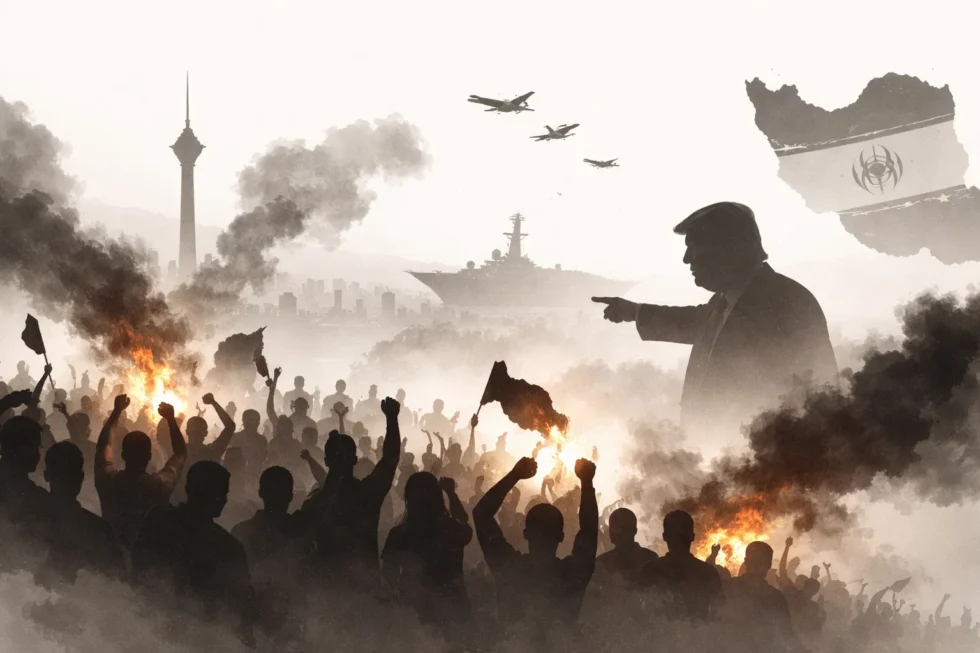
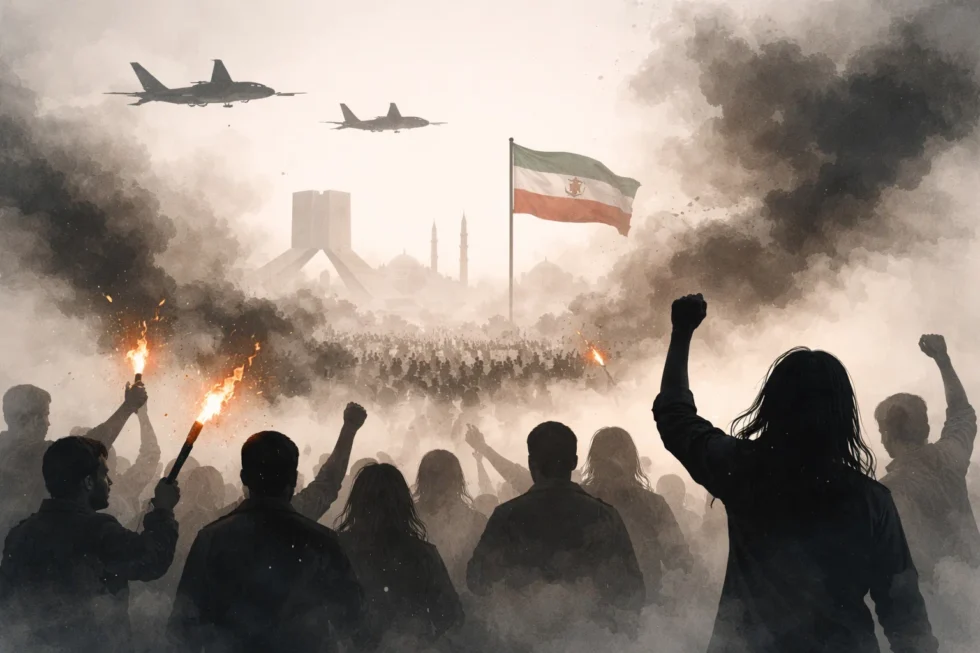
Iran is facing its most serious political crisis in more than three years as nationwide protests over inflation and economic hardship escalate into violent clashes between demonstrators and security forces, while US President Donald Trump openly threatens military action against the Islamic Republic. Hundreds of people are now feared dead or injured, internet access has been largely cut off, and Iran’s parliament has warned that US and Israeli targets would be hit if Washington launches strikes, The WP Times reports, citing BBC News.
The unrest, which began in late December, has now spread to all 31 provinces of Iran and more than 340 cities and towns, making it the most geographically widespread protest movement since the 2022–23 “Woman, Life, Freedom” uprising triggered by the death in custody of Mahsa Amini.
Iran’s state-linked Tasnim news agency says 109 members of the police and security forces have been killed so far. Human rights organisations and hospital workers, however, say the number of civilian casualties is far higher, with dozens of protesters, including children, confirmed dead and many more unaccounted for.
A protest movement driven by economic collapse
The protests were initially sparked by soaring prices, shortages of basic goods and collapsing living standards in a country already battered by years of international sanctions and economic mismanagement.
Food prices, fuel costs and housing expenses have risen sharply, while wages have failed to keep pace. Many Iranians say they can no longer afford basic necessities, pushing large sections of the middle and working classes into poverty.
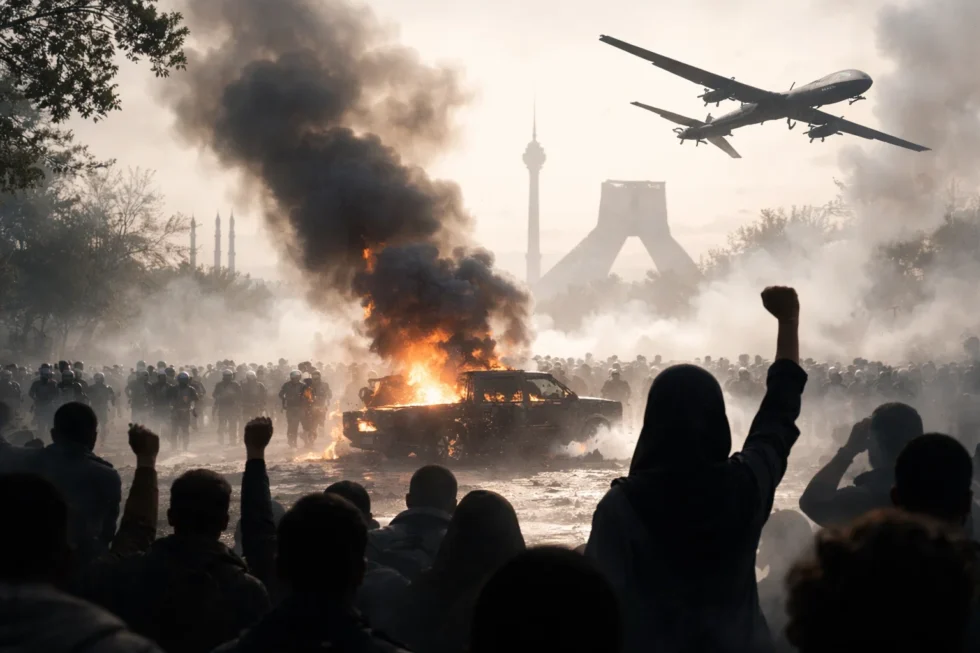
What began as economic anger has rapidly turned political. Protesters in cities such as Tehran, Mashhad, Isfahan, Shiraz and Tabriz have been chanting slogans calling for the end of the rule of Supreme Leader Ayatollah Ali Khamenei and the clerical establishment that has governed Iran since the 1979 Islamic Revolution. Videos verified by international media show protesters blocking highways, setting fires, banging pots and pans, and confronting riot police in the streets.
Deadly clashes and overwhelmed hospitals
The government’s response has been swift and brutal. Security forces, including the Islamic Revolutionary Guard Corps (IRGC), have used live ammunition, tear gas and mass arrests to try to suppress the unrest.
According to the US-based group Human Rights Activists in Iran (HRANA), at least 78 protesters and 38 security personnel have been killed in the past two weeks. The Norway-based Iran Human Rights group says at least 51 protesters, including nine children, have been shot dead.
BBC Persian has confirmed the identities of at least 26 people killed, while staff at multiple hospitals have described horrific scenes.
One hospital worker in Tehran told the BBC that there were so many wounded people arriving that staff did not have time to perform CPR. “Many died as soon as they reached the emergency beds,” the worker said, adding that morgues had run out of space to store bodies.
In the northern city of Rasht, BBC Persian verified that 70 bodies were brought to a single hospital on one night alone. Doctors told The Telegraph that the true death toll could be in the hundreds, with families too afraid to come forward and claim bodies.
Arrests, death penalty warnings and internet blackout
Iranian authorities say they have arrested more than 2,300 people, including at least 166 minors, since the protests began on 28 December.
The country’s attorney general has warned that anyone taking part in demonstrations will be considered an “enemy of God” — an offence that under Iranian law can carry the death penalty.
At the same time, Iran has imposed one of the most severe internet shutdowns in its history. According to monitoring group NetBlocks, access to both the global internet and Iran’s domestic networks has been heavily restricted for more than 60 hours.
Internet experts say this blackout is even more comprehensive than the one imposed during the 2022 protests, making it extremely difficult for protesters to coordinate and for journalists to verify what is happening on the ground.
Trump’s threats and US military options
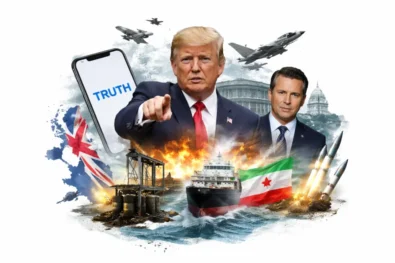
The crisis has taken on an international dimension after Donald Trump publicly inserted the United States into the unfolding events. On Saturday, the US president posted on Truth Social:
“Iran is looking at FREEDOM, perhaps like never before. The USA stands ready to help!!!”
A day earlier, he warned that Iran was in “big trouble” and said he could order military strikes. According to The Wall Street Journal and The Telegraph, Trump has been briefed on options for:
- Targeted US airstrikes on Iranian military sites
- Covert CIA operations to destabilise the regime
- Allowing Israel to carry out its own attacks
Two US C-17A military transport aircraft were also reported to have left Germany heading toward the Middle East, fuelling speculation that Washington is preparing for possible military action. Although US officials have said there is no immediate decision, the fact that these options are being discussed marks a sharp escalation.
Iran’s warning: US and Israel “legitimate targets”
Iran’s response has been equally blunt. Speaking in parliament, Mohammad Baqer Qalibaf, the speaker and a former IRGC commander, warned Washington not to miscalculate.
“In the case of an attack on Iran, Israel as well as all US bases and ships will be our legitimate targets,” he said.
Some Iranian lawmakers reportedly rushed towards the parliamentary dais shouting “Death to America!”, underlining the level of tension. Iran’s army has also issued a statement accusing the United States and Israel of working with “terrorist groups” to undermine the country’s security, and vowed to protect Iran’s strategic infrastructure and national interests.
A crisis compared with 2022
The scale and geographic spread of the current unrest is comparable to the 2022–23 protests triggered by the death in custody of Mahsa Amini. According to human rights organisations, more than 550 people were killed and about 20,000 were arrested during that period.
The current protests have been reported in all 31 provinces and more than 340 towns and cities, according to verified footage and human rights groups. Demonstrations have been driven by soaring prices, inflation and economic hardship, alongside political demands for change.
One major difference from 2022 is the level of international involvement. During the earlier protests, the United States criticised the Iranian government but did not publicly threaten military action. In the current crisis, US President Donald Trump has said the United States is “ready to help” protesters and has confirmed that military options are under discussion.
Iranian authorities say security operations are continuing in Tehran, Mashhad, Isfahan, Shiraz and Rasht, with police and Islamic Revolutionary Guard Corps units deployed. The judiciary has confirmed that courts are processing thousands of detainees arrested since the protests began in late December.
Hospitals in several provinces have reported treating large numbers of people with gunshot and trauma injuries linked to the unrest. Human rights organisations are compiling casualty figures using hospital records, family reports and verified video, while Iranian state media continues to publish separate figures for security personnel killed.
Nationwide internet restrictions remain in place, with monitoring groups reporting that access to both international and domestic networks is still heavily limited. International media, including the BBC, say they are relying on satellite imagery, medical sources and verified footage to document events inside Iran. The US government and Iranian officials have issued public statements, but no formal military or diplomatic action has been announced.
Read about the life of Westminster and Pimlico district, London and the world. 24/7 news with fresh and useful updates on culture, business, technology and city life: France, Germany and the UK reinstate UN sanctions on Iran – US reaction swift