The National Health Service (NHS) has formally confirmed that the spring 2026 COVID-19 vaccination campaign will commence its rollout tomorrow, April 7, 2026, with the opening of the national booking system. Aimed at mitigating the risk of severe illness and hospitalisation among the UK’s most vulnerable populations, this targeted intervention focuses on adults aged 75 and over, residents in care homes for older adults, and individuals aged six months and over with weakened immune systems. While appointments can be scheduled starting tomorrow, the first clinical administrations are set to begin on April 13, 2026, running through until June 30.
This campaign is critical as latest surveillance data indicates that immunity in older cohorts begins to wane significantly six months post-vaccination, making this spring "booster" a vital safeguard against potential mid-year surges. This event is reported by The WP Times, via expandtheiroptions.
Eligibility and Strategic Deployment for Spring 2026
The 2026 spring campaign is characterized by a "precision-strike" approach, prioritizing those with the highest statistical risk of clinical complications. Under the 2026/27 COVID-19 and Influenza Service Specification, the NHS has expanded the autonomy of individual GP practices, allowing them to deliver vaccinations without the prior requirement of Primary Care Network (PCN) groupings. This shift is designed to improve local accessibility and patient uptake by leveraging established doctor-patient relationships.
Primary Eligible Cohorts
- Adults aged 75 years and over: Includes those who will turn 75 by June 30, 2026.
- Care Home Residents: Targeted visits to older adult care homes will be prioritized during the first two weeks of the campaign.
- Immunosuppressed Individuals: Anyone aged 6 months or older with a suppressed immune system (as defined in the "Green Book," Chapter 14a), including those undergoing chemotherapy or with genetic immune disorders.
Operational Timeline and Deadlines
The campaign follows a strict three-phase schedule to ensure maximum coverage before the summer months:
- April 7: National Booking Service (NBS) opens for web and 119 telephone bookings.
- April 13: Start of vaccinations in GP surgeries, community pharmacies, and via home-visit teams.
- June 30: Official conclusion of the spring 2026 campaign.
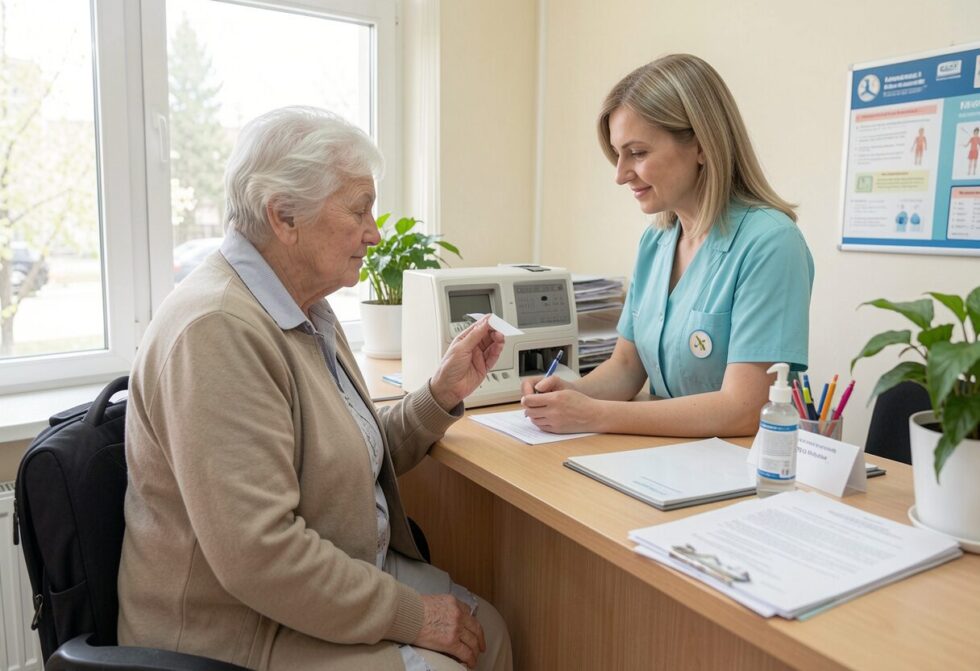
Comparative Analysis of 2026 Vaccination Logistics
A significant change in the 2026 campaign is the financial and administrative restructuring of vaccine delivery. The NHS has retired the "surge" payment models used during the pandemic era, moving toward a more integrated seasonal model similar to the annual flu programme.
| Feature | 2025 Campaign | 2026 Campaign (Current) | Change Impact |
| Delivery Model | PCN Grouping required | Individual GP Practice option | Increased local access |
| Item of Service Fee | Variable | £10.06 (outside flu season) | Standardised funding |
| Booking System | Point-of-Care focus | Integrated GPIT systems | Reduced admin burden |
| End Date | June 30 | June 30 | Consistent |
| Vaccine Type | Omicron-targeted (XBB) | Updated Variant-Targeted (2026) | Higher antibody response |
Clinical Necessity: Why the Spring Dose Matters
According to the UK Health Security Agency (UKHSA), the primary goal of the spring dose is to "top up" protection for individuals whose last vaccine was likely administered during the autumn 2025 window. Clinical studies show that for the over-75 demographic, protection against hospitalisation can drop by as much as 20% six months after a dose. The vaccines being deployed this spring include updated formulations from Pfizer, Moderna, and Sanofi, specifically engineered to target the dominant Omicron sub-variants circulating in early 2026.
Key Clinical Benefits
"The spring 2026 booster is not just a routine procedure; it is a clinical necessity for the immunosuppressed. We are seeing that updated vaccines provide significantly higher levels of neutralizing antibodies against the most recent strains compared to original formulations," states the JCVI 2026 Spring Report.
- Hospitalisation Reduction: Estimated 70-80% effective at preventing severe disease in the first 3 months post-jab.
- Recovery Speed: Vaccinated individuals in risk groups report recovery times 3-5 days faster than their unvaccinated counterparts.
- Variant Agility: The 2026 vaccines utilize the latest mRNA sequences to ensure relevance against current viral evolution.
Variant Surveillance: The Role of the XBB.1.5 and JN.1 Descendants
In 2026, the JCVI and UKHSA have focused the spring campaign on neutralizing the latest sub-lineages of the Omicron variant. Viral genomic sequencing in early 2026 identified a "drift" in the spike protein that renders older 2024 vaccines less effective. The vaccines deployed starting April 13 are specifically updated monovalent or bivalent versions designed to recognize these mutations. This precision ensures that the "memory" of the immune system is refreshed with the most current viral blueprints.
- Efficacy: Updated 2026 vaccines show a 40% higher neutralization rate against circulating strains compared to 2025 boosters.
- Target: Focus on the "S-protein" mutations that previously bypassed natural immunity.
- Monitoring: The NHS uses the "Vivaldi" study framework to monitor vaccine effectiveness in care homes in real-time.
The "Green Book" Criteria: Defining Immunosuppression in 2026
A common point of confusion for the April 7 booking launch is who qualifies as "immunosuppressed." The 2026 guidelines under the "Green Book" (Chapter 14a) have been refined to include specific biological therapies and recent transplant recipients. It is not merely about having a chronic condition, but about the specific suppression of T-cell and B-cell responses which are vital for fighting COVID-19.
Who should book starting tomorrow?
- Oncology Patients: Those undergoing active chemotherapy or radical radiotherapy.
- Transplant Recipients: Individuals with solid organ transplants or recent bone marrow transplants.
- Chronic Conditions: Severe primary immunodeficiency or those on high-dose corticosteroids (>20mg prednisolone per day).
- Biological Meds: Patients on TNF-blockers or Rituximab, which significantly dampen vaccine response.
Logistics of the "Housebound" Rollout: Roving Teams
For the 2026 campaign, the NHS has restructured "Roving Vaccination Units." These teams are tasked with reaching the approximately 2.5% of the 75+ population who are medically unable to attend a GP surgery or pharmacy. Unlike the main booking system opening tomorrow, housebound patients are often identified through "GP Register Flagging." If you believe you are housebound and haven't been contacted by April 13, you must contact your surgery's "Care Coordinator."
- Cold Chain Management: Roving teams use advanced portable "cool-boxes" to maintain mRNA stability for up to 12 hours.
- Observation Period: Teams are required to stay with housebound patients for 15 minutes post-injection to monitor for rare acute reactions.
- Data Sync: Mobile units use 5G-enabled tablets to update the National Immunisation Management System (NIMS) instantly.
Co-administration: COVID-19 and the 2026 Shingles Vaccine
A frequent practical question for the spring window is whether the COVID-19 booster can be given alongside other routine adult immunizations, such as the Shingles (Shingrix) or Pneumococcal vaccines. Clinical guidance for 2026 confirms that co-administration is safe and does not reduce the efficacy of either jab. However, providers often prefer to use different limbs (e.g., left arm for COVID-19, right arm for Shingles) to manage localized muscle soreness.
| Vaccine Combination | Safety Status | Recommended Site |
| COVID + Shingles | Approved | Opposite arms |
| COVID + Pneumococcal | Approved | Same or opposite arm |
| COVID + Flu | N/A (Autumn only) | Usually combined in Oct/Nov |
| COVID + RSV | Approved | Separate sites |
Economic Impact: Reducing the "Long-Wait" Hospital Pressure
The 2026 spring campaign is a key pillar of the "NHS Recovery Plan." By vaccinating the 75+ cohort in April, the government aims to prevent a "summer bed crisis." Data from the 2025 cycle showed that every £1 spent on the spring booster saved approximately £4.50 in emergency care costs. This analytical perspective highlights the vaccine not just as a health tool, but as an economic necessity for the stability of the healthcare system during peak holiday periods when staffing is lower.
- Bed Occupancy: Goal is to keep COVID-related bed occupancy below 2% nationwide.
- Staffing: Vaccination reduces "sick leave" among healthcare workers who are also eligible if they fall into risk groups.
- Social Care: Lower infection rates in care homes prevent the "lockdown" of facilities, allowing continued family visitation.
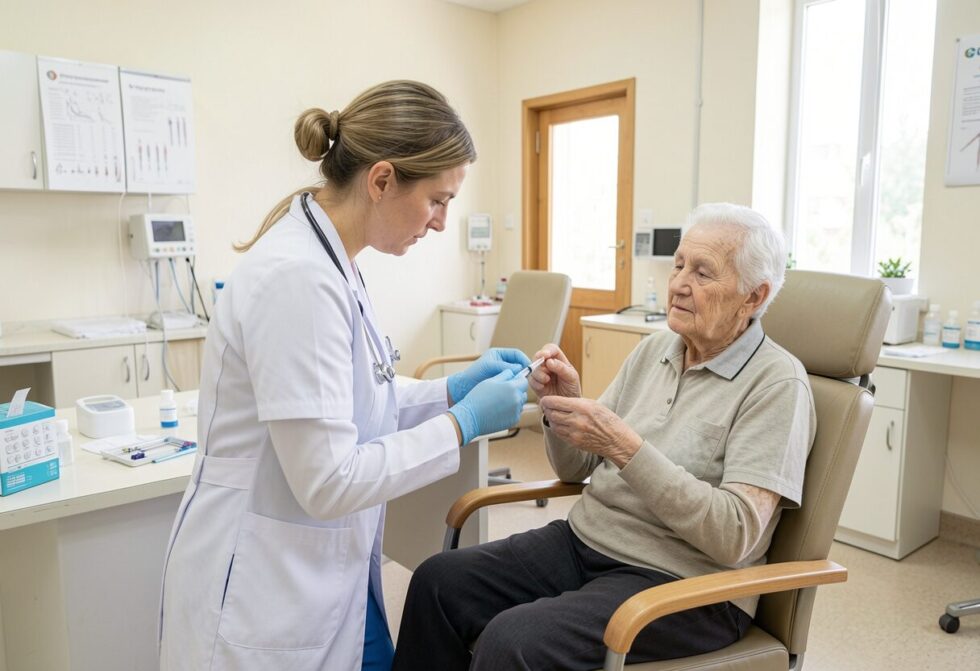
The "Digital Front Door": Using the NHS App for 2026 Bookings
The April 7 booking opening marks the first major campaign where the "NHS App" is the primary interface. The app now features a "Universal Vaccination Record" where users can see their entire history back to 2021. For carers and family members, the "Proxy Access" feature is vital; it allows children of elderly parents to manage and book appointments on their behalf, significantly increasing the uptake speed in the first week of the campaign.
How to use Proxy Access for April 7:
- Step 1: Ensure your GP surgery has granted you "Proxy Access" to your relative’s record.
- Step 2: Switch profiles within the NHS App to the eligible person.
- Step 3: Click "Book or manage a COVID-19 vaccination."
- Step 4: Select a site based on current 2026 availability (updated every 15 minutes).
Practical Recommendations for Patients and Carers
For those eligible, the transition from booking to vaccination has been streamlined to minimize friction. The NHS will proactively contact the majority of eligible patients via text message, email, or letter. However, individuals who know they are eligible do not need to wait for an invitation to book via the National Booking Service starting tomorrow.
Step-by-Step Action Plan
- Check Eligibility: Confirm you or your family member meets the 75+ or immunosuppressed criteria.
- Verify Intervals: Ensure it has been at least 3 months (ideally 6) since the last COVID-19 dose.
- Booking: Access the NHS website or call 119 starting April 7.
- Special Arrangements: If you are housebound, contact your GP surgery directly to ensure you are on the list for a home visit.
Potential Risks and Side Effects
While the safety profile of the 2026 vaccines remains high, common side effects include local site pain, fatigue, and mild fever. Patients with a history of severe allergic reactions to previous mRNA doses are advised to consult their specialist before proceeding, as alternative vaccine platforms (like Sanofi’s protein-based option) may be recommended.
Frequently Asked Questions
Can I get the vaccine if I’m 74 but turn 75 in May?
Yes. Anyone who turns 75 on or before June 30, 2026, is eligible to book and receive their vaccine from the start of the campaign.
I had COVID-19 recently. Should I still get the spring booster?
Yes, but you should wait until you have fully recovered. There is no longer a mandatory waiting period (like the old 28-day rule), but being symptom-free ensures the best immune response.
Which vaccine brand will I receive?
The NHS uses Pfizer, Moderna, and Sanofi. You will be offered the vaccine that is clinically appropriate for your age and medical history. All are approved by the MHRA for 2026 use.
Is the vaccine free?
Yes. The spring COVID-19 vaccination remains free of charge on the NHS for all eligible priority groups.
Can I buy a COVID-19 vaccine privately in 2026?
Yes, private vaccination services are available at select pharmacies for those not in the high-risk groups, though the spring campaign specifically focuses on the NHS-funded high-risk rollout.
What if I am immunosuppressed but haven't received an invite?
If you have a condition or are on treatment that weakens your immune system, you can self-declare your eligibility at a walk-in site or when booking online, though having a consultant's letter is helpful.
Read about the life of Westminster and Pimlico district, London and the world. 24/7 news with fresh and useful updates on culture, business, technology and city life: What are Denby pottery redundancies and what is happening to Denby in the UK right now