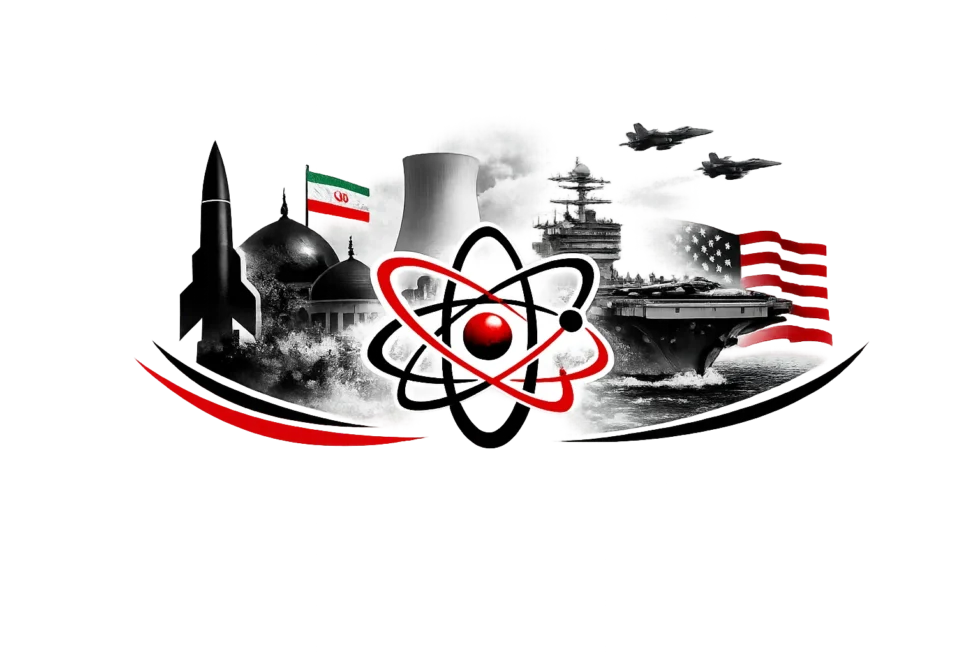
Iran has said it is prepared for a possible military confrontation with the United States if diplomatic efforts collapse, while continuing to signal that it prefers a negotiated settlement over its nuclear programme, writes The WP Times , citing CNN. The comments were made by Iran’s foreign minister Abbas Araghchi in a televised interview broadcast by CNN on Sunday, amid heightened regional tensions and renewed speculation about US-Iran talks. Mr Araghchi said war was not inevitable and could still be avoided if negotiations resumed on what he described as fair and balanced terms. He added that Tehran believed a deal remained achievable, even within a relatively short timeframe, despite ongoing military pressure from Washington.
“Let us not talk about impossible scenarios,” he said. “We should not miss the opportunity to reach a just and equal agreement that guarantees the absence of nuclear weapons. As I have said, this is achievable.”
‘War would be a catastrophe for all sides’
Speaking during the interview, Mr Araghchi warned that a military conflict would have consequences extending well beyond Iran. He said US military bases across the Middle East would become legitimate targets if hostilities were to break out, underlining the potential scale of any escalation.
Iran, he said, is prepared for all outcomes but does not regard war as either a preferred or unavoidable scenario.
“War would be a catastrophe for everyone,” the foreign minister said, warning that any escalation would further destabilise an already fragile region.
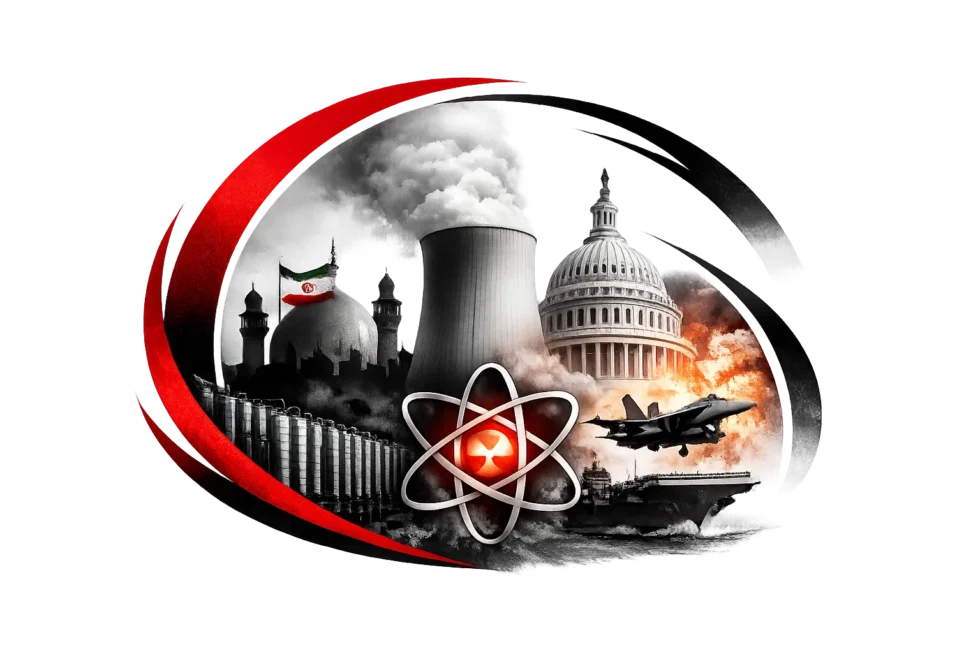
Trust remains the key obstacle
Iran’s foreign minister Hossein Amir-Abdollahian’s deputy for political affairs, Abbas Araghchi, said the absence of trust between Tehran and Washington remains the principal barrier to restarting nuclear negotiations (comments made during a public briefing in Tehran on Monday). He added that “meaningful dialogue is not possible” unless at least a minimum level of confidence is restored between the two sides (statement to Iranian state media).
Iran is seeking the removal of US economic sanctions, many of which have been in place since 2012 and were significantly expanded after Washington withdrew from the 2015 nuclear deal in 2018, arguing that the measures have placed long-term pressure on the Iranian economy (Iranian government position). Tehran is also demanding international recognition of its right to enrich uranium for peaceful, civilian purposes under the Nuclear Non-Proliferation Treaty (official Iranian stance).
The United States, for its part, has repeatedly said its primary objective is to ensure that Iran does not acquire a nuclear weapon, a position reaffirmed by successive US administrations (US State Department statements). Iran continues to reject the accusation, insisting its nuclear programme is exclusively civilian and subject to international monitoring (Iranian foreign ministry statements).
Regional diplomacy under way
According to Axios journalist Barak Ravid, a coordinated regional diplomatic effort is under way to reopen communication channels between Washington and Tehran amid rising tensions over Iran’s nuclear programme. Turkey, Egypt and Qatar — all of which maintain working relations with both Iran and the United States — are reported to be acting as intermediaries. Officials in the three countries are preparing a meeting expected to take place in Ankaranext week, according to people familiar with the discussions.
The proposed talks would involve senior Iranian officials and Steve Witkoff, who is acting as a US envoy linked to former president Donald Trump. The meeting is expected to focus on de-escalation measures and the possible framework for resuming indirect nuclear negotiations. While no formal agenda has been publicly confirmed, the discussions are understood to centre on sanctions relief, nuclear safeguards and mechanisms to prevent further military escalation in the region. If the meeting goes ahead, it would mark one of the most substantive diplomatic openings between Washington and Tehran in recent months, at a time when both sides have hardened their public rhetoric but continue to signal interest in avoiding direct conflict.
Read about the life of Westminster and Pimlico district, London and the world. 24/7 news with fresh and useful updates on culture, business, technology and city life: What happened during the Richmond jewellery robbery in London and why the suspects fled