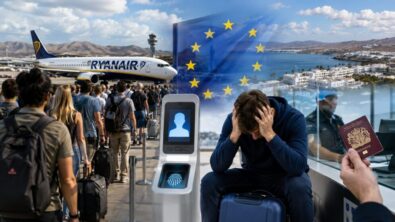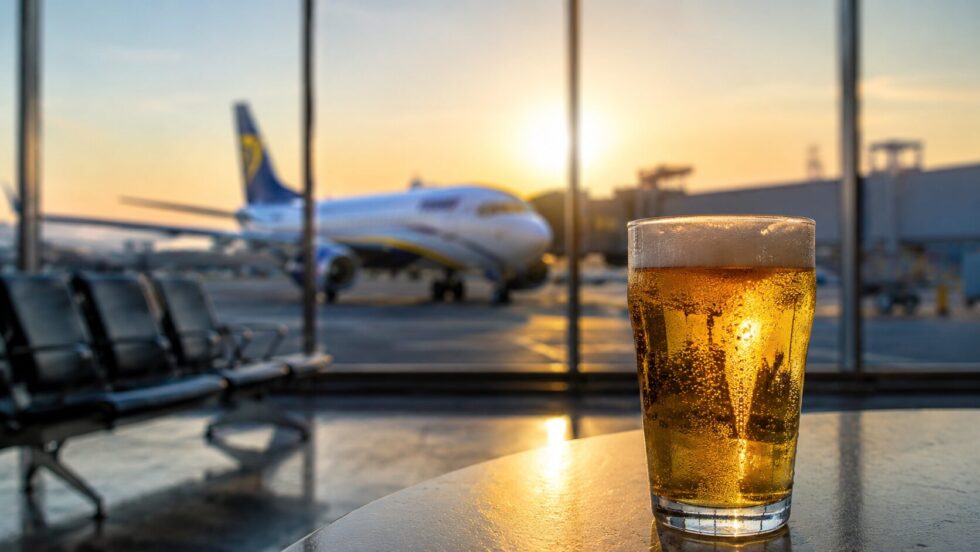
Ryanair airport alcohol ban calls are escalating across Europe after chief executive Michael O’Leary warned that disruptive passengers fuelled by early-morning drinking are forcing airlines to divert flights almost daily, raising operational costs, safety concerns and pressure on airport licensing systems across the UK and EU, The WP Times reports. The Ryanair boss said airports serving alcohol at five or six o’clock in the morning were contributing directly to rising incidents of aggressive and intoxicated behaviour onboard aircraft, particularly on short-haul European leisure routes.
Michael O’Leary’s intervention comes as airlines, aviation regulators and airport operators face renewed scrutiny over passenger conduct following years of elevated disruption after the пандемic recovery in travel demand. Ryanair, Europe’s largest low-cost carrier, says alcohol-related incidents are now becoming a structural operational issue rather than isolated cases, with crew members increasingly dealing with verbal abuse, intoxication and emergency diversions linked to alcohol consumption before boarding.
Why Ryanair says airport drinking has become a growing aviation problem
Ryanair operates one of the largest short-haul flight networks in Europe, connecting major UK airports with destinations across Spain, Italy, Portugal, Greece and North Africa. According to O’Leary, the combination of cheap alcohol, early departures and crowded terminals is creating an environment where passengers board aircraft already intoxicated before cabin crew can intervene.
In interviews published by British and Irish media outlets, O’Leary argued that airports effectively profit from alcohol sales while airlines absorb the consequences once passengers are in the air. He stated that Ryanair now diverts roughly one flight per day because of disruptive passenger behaviour, adding financial and logistical pressure to an already competitive aviation sector.
The Ryanair chief also criticised exemptions that allow airport bars to operate outside standard pub licensing hours. Unlike many city-centre venues across Britain or Ireland, airport bars can begin serving alcohol very early in the morning because terminals operate around international flight schedules rather than traditional hospitality regulations.
Key concerns raised by Ryanair and airline crews
| Issue | Impact on airlines |
|---|---|
| Early alcohol consumption | Higher number of intoxicated passengers |
| Flight diversions | Fuel losses and schedule disruption |
| Aggressive behaviour | Safety risks for passengers and crew |
| Delayed departures | Operational and compensation costs |
| Security incidents | Increased airport policing pressure |
Airlines have increasingly linked disruptive passenger incidents to alcohol consumption combined with travel stress, anxiety, fatigue and, in some cases, drug use before flights.
Could airports introduce limits on alcohol before boarding
Michael O’Leary proposed several measures that could fundamentally change airport drinking culture across Europe. Among the most controversial suggestions is a two-drink limit for passengers inside terminals, potentially monitored through boarding pass scanning systems similar to duty-free purchase verification. The Ryanair boss also argued that airports should stop serving alcohol outside normal licensing windows, effectively banning very early-morning drinking before departures. Such proposals would likely face resistance from airport operators, hospitality businesses and some travellers, especially in countries where airport drinking is viewed as part of holiday culture.
Major European hubs including Heathrow Airport, Dublin Airport and Amsterdam Airport Schiphol operate extensive food and beverage networks that generate significant non-aeronautical revenue. Alcohol sales remain a major commercial component of terminal business models.
What Ryanair wants airports to consider
- Restrictions on alcohol sales before early departures
- Two-drink passenger limits inside terminals
- Stronger monitoring using boarding passes
- More responsibility placed on airports rather than airlines
- Expanded intervention powers for gate staff and security teams
Several aviation analysts note that enforcing such restrictions across international terminals could prove difficult because licensing laws differ significantly between countries.
Passenger behaviour after COVID-19 remains under scrutiny
The debate around alcohol and flying intensified after aviation authorities recorded sharp increases in disruptive passenger incidents following the lifting of COVID-19 travel restrictions. In the United States, the Federal Aviation Administration reported thousands of onboard incidents during the peak rebound years after lockdowns.
Although reported incidents have since declined, airlines across Europe continue to report frequent problems involving intoxicated passengers. Low-cost carriers are particularly exposed because of dense seating layouts, rapid turnaround schedules and heavy leisure traffic to holiday destinations.
Researchers have also examined the physiological effects of alcohol consumption during flights. A study conducted by the German Aerospace Center in 2024 suggested that alcohol combined with cabin pressure conditions may contribute to lower blood oxygen levels and additional cardiac stress during long journeys.
Alcohol-related disruption on flights often includes
- Verbal abuse toward crew members
- Refusal to follow cabin instructions
- Arguments between passengers
- Smoking or vaping violations onboard
- Emergency landings and police intervention
Airlines say even a single disruptive passenger can create safety risks that affect hundreds of travellers onboard a flight.
Airport bars remain deeply tied to travel culture
Despite Ryanair’s criticism, airport drinking remains embedded in travel habits across Britain and Europe. Surveys conducted in recent years suggest many passengers view a pre-flight drink as part of the holiday experience, especially before leisure trips. Industry studies have shown that significant numbers of travellers consume alcohol before noon on departure days, particularly during weekend breaks and summer holiday periods. Airport lounges and terminal bars are specifically designed around long waiting times and relaxed behavioural norms once passengers clear security checkpoints.
That cultural aspect makes any crackdown politically and commercially sensitive. Airports increasingly rely on retail and hospitality income to offset infrastructure costs, while passengers often associate airport terminals with a temporary suspension of ordinary routines and schedules.
Quotes shaping the debate
“It’s becoming a real challenge for all airlines.” (Michael O’Leary speaking to The Times)
“Who needs to be drinking beer at that time?” (Michael O’Leary on early-morning airport alcohol sales)
“The ones who are profiteering off it are the airports.” (Michael O’Leary discussing airport bar operations)
The discussion is now extending beyond Ryanair itself, with broader questions emerging around aviation safety, airport licensing laws and passenger responsibility during travel.
At present, there is no coordinated European proposal to restrict airport alcohol sales before morning flights. However, O’Leary’s comments are likely to increase pressure on regulators, airports and airlines to review how disruptive passengers are managed before boarding. Some airports already use voluntary measures such as refusing service to visibly intoxicated passengers or limiting takeaway alcohol purchases near gates. Airlines themselves also retain the right to deny boarding to passengers considered unsafe to fly. Whether governments would support formal restrictions remains unclear. Any regulatory changes would involve complex coordination between airport operators, licensing authorities, airlines and national transport agencies across multiple jurisdictions. For now, the airport pint before a sunrise departure remains legal across most of Europe — but the aviation industry’s tolerance for alcohol-fuelled disruption appears to be narrowing as operational pressures and passenger incidents continue to rise.
Read about the life of Westminster and Pimlico district, London and the world. 24/7 news with fresh and useful updates on culture, business, technology and city life: Ryanair Lanzarote passport issue: why were passengers stranded at the airport