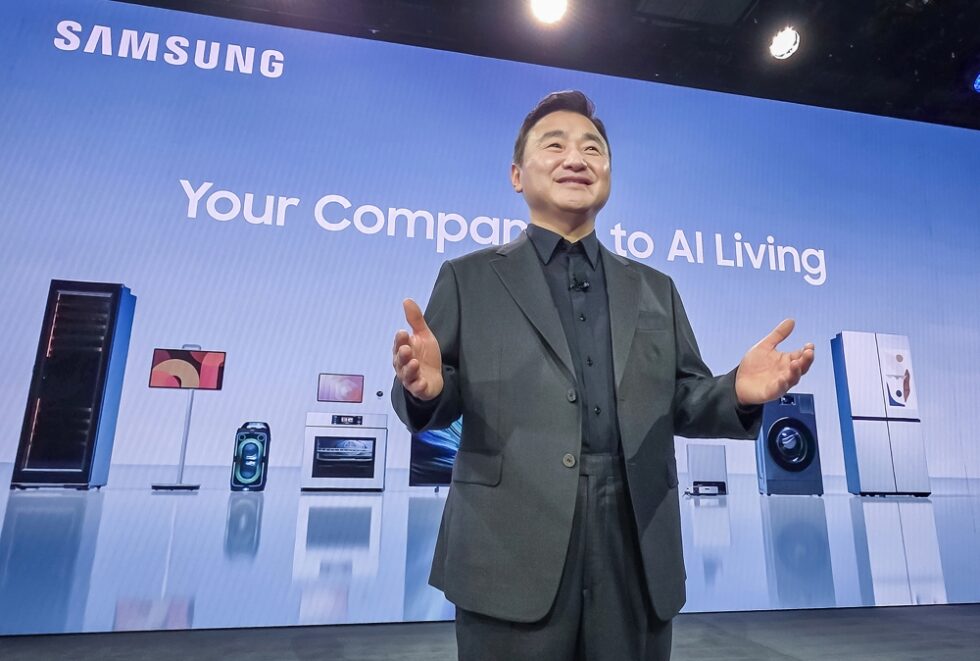
In January 2026, Samsung used the opening days of the Consumer Electronics Show (CES) in Las Vegas to set out a new roadmap for the global tech industry — one that places the Samsung Galaxy Galaxy S26 Ultra at the centre of how consumers in Britain and worldwide will live, work and connect through artificial intelligence. The company’s “Companion to AI Living” strategy was formally unveiled on 5 January at Samsung’s The First Lookshowcase at the Wynn Las Vegas, outlining how Galaxy smartphones, AI televisions, SmartThings homes and digital health platforms will be fused into a single ecosystem, The WP Times reports, citing Samsung’s official CES 2026 press release.
Samsung’s message was unambiguous: artificial intelligence is no longer an optional feature layered onto devices. It is becoming the core operating system of Samsung’s products — reshaping everything from Galaxy phones sold in the UK to the televisions, appliances and health technologies entering British homes over the next year.
Why the Galaxy S26 Ultra now sits at the centre of Samsung’s strategy
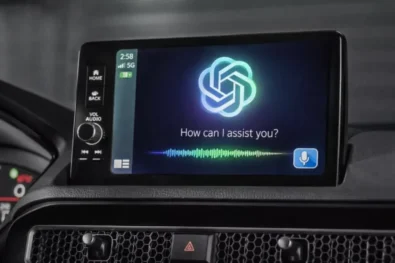
For more than a decade, flagship smartphones have been defined by screens, cameras and processing power. At CES 2026, Samsung made clear that this era is ending. The Galaxy S26 Ultra is being designed not simply as a premium handset, but as the primary interface into Samsung’s AI ecosystem — a device that links personal identity, health data, home automation and entertainment into a single, continuously learning system.
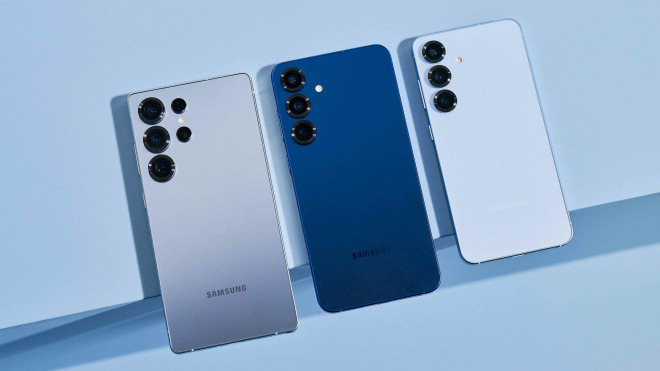
Through Galaxy AI, SmartThings and the company’s new Vision AI Companion, the phone will increasingly function as:
- the controller for household devices
- the personal health and lifestyle assistant
- the authentication hub for the smart home
- and the remote control for every screen in the house
This marks a strategic shift away from hardware differentiation towards platform control, a model more commonly associated with software companies than consumer electronics manufacturers.
Samsung Galaxy Galaxy S26 Ultra — key advantages and performance
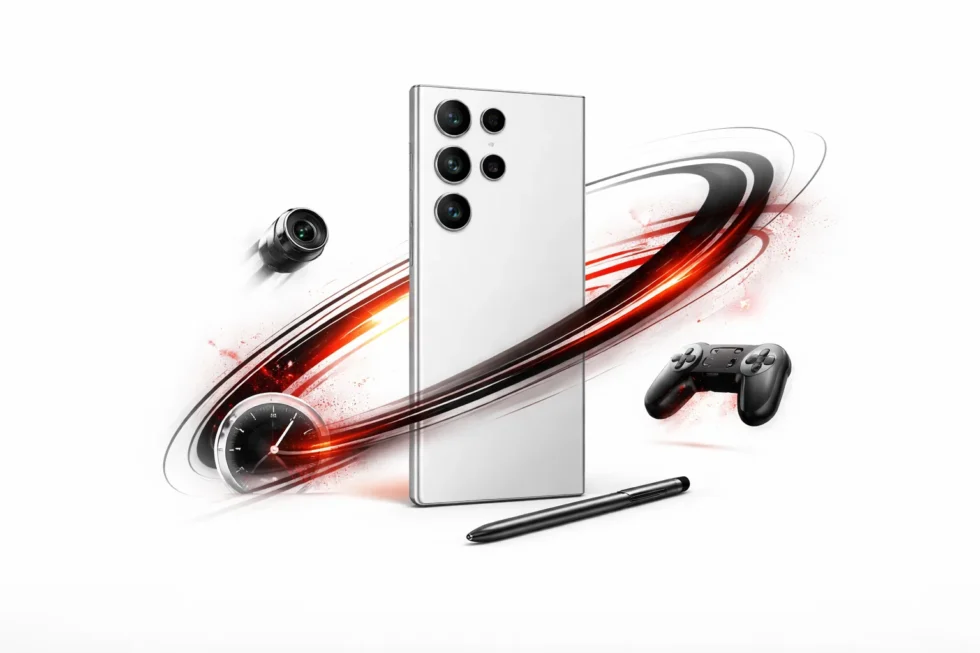
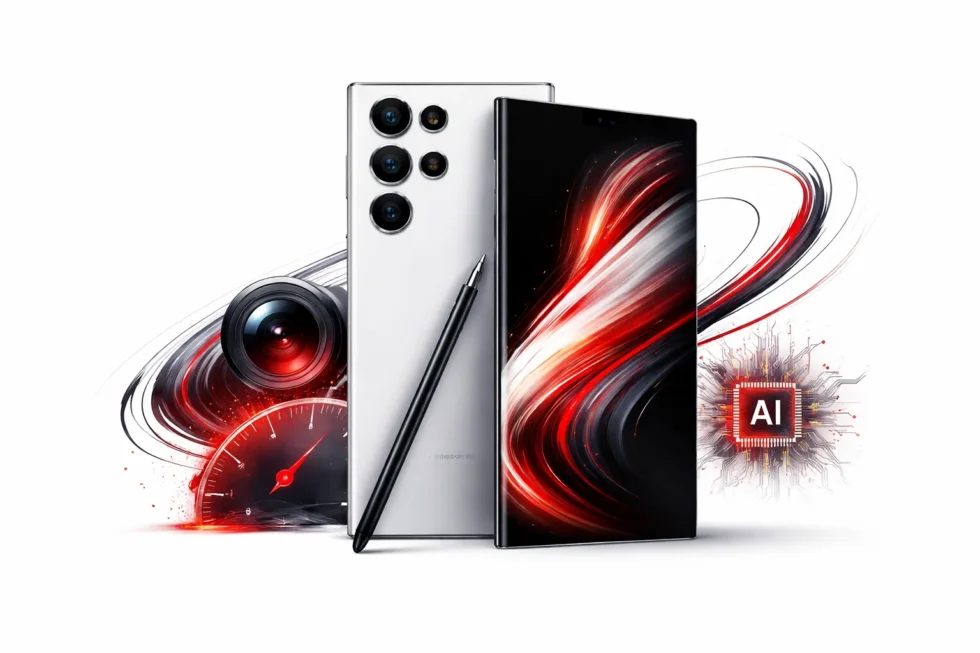
The Samsung Galaxy Galaxy S26 Ultra is Samsung’s most advanced smartphone for 2026, engineered to combine flagship-grade hardware with on-device artificial intelligence and full control of the wider Galaxy ecosystem. It is designed not only as a premium phone, but as a central interface for Samsung’s AI-powered services across mobile, home and entertainment.
Key advantages
- Large Dynamic AMOLED 2X display (120Hz) — delivers high peak brightness, accurate colours and smooth motion for productivity, gaming and media consumption in all lighting conditions
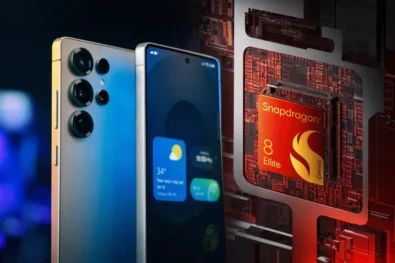
- Snapdragon 8 Elite Gen 5 chipset — provides industry-leading Android performance for graphics, multitasking and real-time AI processing directly on the device
- Up to 16GB RAM and 1TB of storage — supports heavy workloads, high-resolution video, professional apps and large photo and content libraries
- 200MP main camera with telephoto and ultra-wide lenses — enables high-detail photography, advanced optical zoom and improved low-light performance through AI-driven image processing
- High-capacity battery with fast wired and wireless charging — built to support a full day of intensive use without frequent recharging
- 5G, Wi-Fi 7 and next-generation connectivity — optimised for the fastest UK mobile and broadband networks, cloud services and streaming
- Deep Galaxy AI and SmartThings integration — links the phone with TVs, home appliances, wearables and cloud services through a single, secure control platform
In practical terms, the Galaxy S26 Ultra functions as the control centre of Samsung’s AI ecosystem. It manages smart homes, optimises photos and video in real time, handles personal data and authentication, and connects seamlessly with Samsung’s wider range of devices. This positions it as the reference Android flagship for 2026 — aimed at users who require top-tier performance, camera quality and long-term, future-ready connectivity in one device.
From televisions to refrigerators: how Samsung is building its AI platform
Samsung used CES to demonstrate how deeply this AI layer now runs through its product range. Its new AI television lineup is led by the 130-inch Micro RGB display, a screen that uses microscopic red, green and blue light sources controlled by the Micro RGB AI Engine Pro to produce colour and contrast at a level Samsung says exceeds previous OLED and Mini LED technologies.
These displays are powered by Vision AI Companion (VAC), which can analyse content and user behaviour in real time — adjusting sound and picture, recommending programmes, and even suggesting recipes based on what appears on screen.
Every major Samsung TV in 2026 will also support HDR10+ ADVANCED and Eclipsa Audio, bringing more sophisticated image processing and spatial sound into mainstream living rooms.
Smart homes, health and the expanding role of Galaxy
Beyond entertainment, Samsung is pushing AI into everyday domestic routines. The company confirmed that SmartThings now serves more than 430 million users worldwide, giving it one of the largest connected-home platforms in the industry. Its Family Hub refrigerator, upgraded with Google Gemini AI, can now recognise food items, track what is being used, suggest meals and generate shopping lists that sync directly with Galaxy phones and kitchen appliances.
In healthcare, Samsung outlined plans for a move towards predictive, data-driven care, using Galaxy smartphones and wearables to monitor sleep, mobility and cardiovascular health. Subtle changes in behaviour, speech or movement may be flagged as potential early indicators of chronic illness or cognitive decline, with data shared securely with clinicians through the Xealth platform.
All of this is underpinned by Samsung Knox and Knox Matrix, which Samsung is extending to protect not only user data but also AI models, biometric profiles and training processes.
What this means for the UK market
Samsung has confirmed that the Galaxy S26 series will be formally launched in February 2026, with UK sales expected to begin in March through Samsung’s own channels and major operators including EE, O2, Vodafone and Three, as well as retailers such as Amazon and Currys.
Pricing has not yet been announced, but based on previous Ultra models, analysts expect the Galaxy S26 Ultra to sit firmly in the premium tier, with aggressive trade-in incentives aimed at keeping Samsung users within its ecosystem.
For British consumers, the significance of CES 2026 lies less in any single device than in the architecture being built around them. Samsung is attempting to create an environment in which the smartphone, the television and the home no longer operate as separate products, but as parts of a single AI-managed system. If the strategy succeeds, the Galaxy S26 Ultra will not simply compete with rival handsets. It will act as the gateway into a much larger digital infrastructure — one that Samsung hopes will define the next phase of consumer technology.
Read about the life of Westminster and Pimlico district, London and the world. 24/7 news with fresh and useful updates on culture, business, technology and city life: How is Grok AI being used to digitally undress women on Elon Musk’s X without their consent