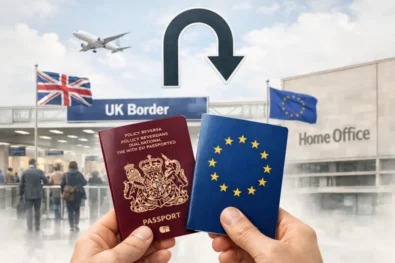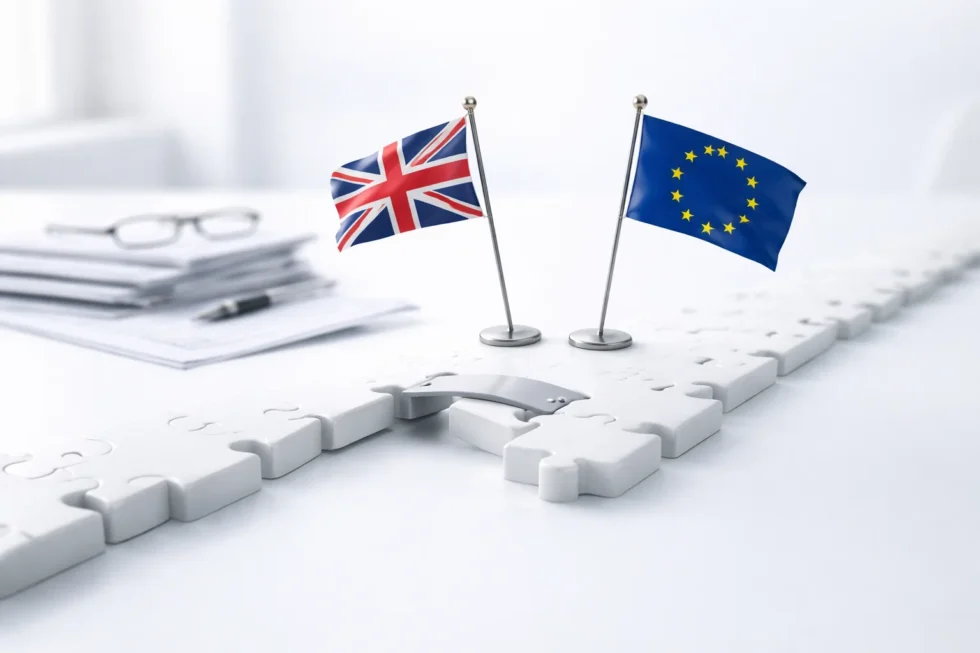
Prime Minister Sir Keir Starmer has confirmed that his government is preparing a Brexit reset bill that would allow parts of UK law to be dynamically aligned with European Union regulations, marking the most significant shift in Britain’s post-Brexit strategy since the country left the bloc in 2020.
The proposed legislation would give ministers powers to mirror selected EU rules in key sectors including food safety, animal welfare and pesticide regulation, with the aim of cutting trade barriers, reducing regulatory friction and boosting UK exports to the EU single market. Officials say the move is designed to stabilise commercial relations with Britain’s largest trading partner without reopening the Brexit settlement or restoring freedom of movement. The WP Times reports this, citing government briefings and reporting by The Independent.
The legislation, which is expected to be introduced later this year, is being framed by the government as a pragmatic economic adjustment rather than a political reversal of Brexit.
In practice, many UK producers already comply with EU standards in order to access the single market. Formalising that alignment in law would remove duplication and ease customs procedures, particularly for agricultural and chemical exporters.
Political reaction
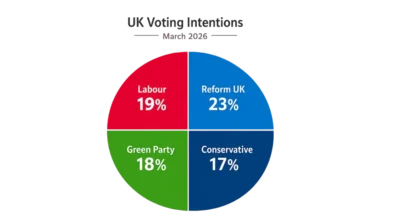
The proposal has already triggered opposition from Conservatives and Reform UK, who argue that adopting EU rules without a British vote risks eroding the sovereignty regained after leaving the bloc.
Labour ministers reject that argument, pointing out that regulatory alignment is a standard feature of international trade agreements and does not involve re-entering EU institutions or accepting the jurisdiction of European courts.
The Liberal Democrats have called for a broader reset, including a return to a customs union, though the government has ruled this out.
Starmer’s position
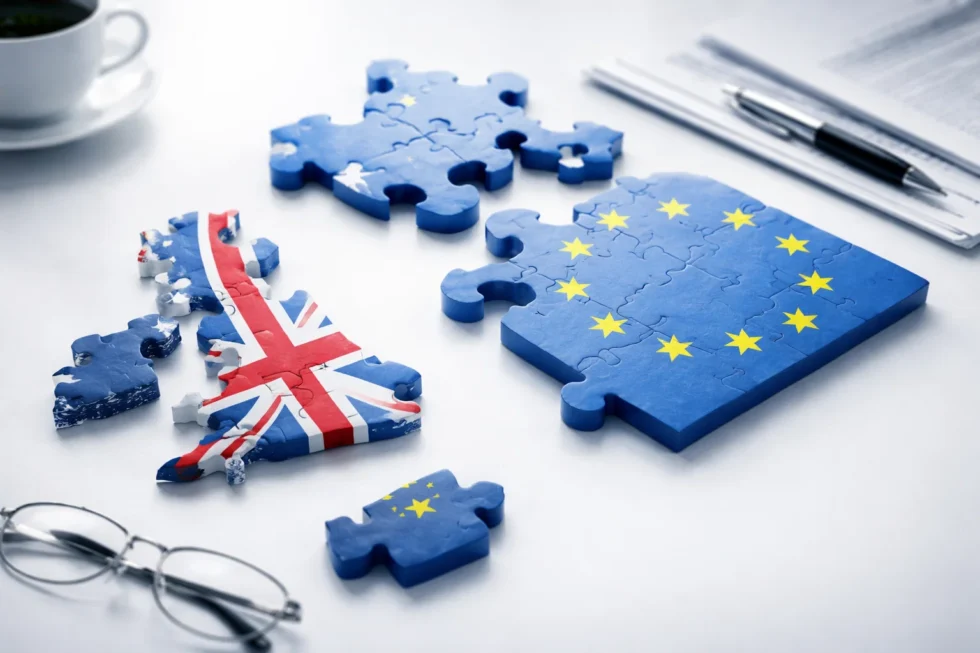
Speaking on the direction of travel, Starmer said that closer engagement with the EU’s single market was possible where it served Britain’s national interest.
“I think we should move closer,” he said, while stressing that freedom of movement would not return. The government’s position remains that Brexit is not being reversed, but recalibrated to reduce economic damage while preserving political independence.
Strategic context
The policy shift comes at a time of growing pressure on the British economy and public finances. The UK recorded a record €22bn in defence exports in 2025, driven by Europe’s rearmament following Russia’s invasion of Ukraine.
At the same time, EU leaders have agreed to provide €90bn in financial and military support to Kyiv, creating new expectations for British contributions. Starmer has previously argued that frozen Russian assets should be used to fund assistance, but without access to those funds, matching European commitments would place significant strain on the Treasury. Against that backdrop, stabilising trade with the EU — still Britain’s largest economic partner — is increasingly seen within government as a fiscal and strategic necessity rather than an ideological choice.
Read about the life of Westminster and Pimlico district, London and the world. 24/7 news with fresh and useful updates on culture, business, technology and city life: Ukraine, UK and France sign western presence declaration as Paris summit reshapes war strategy