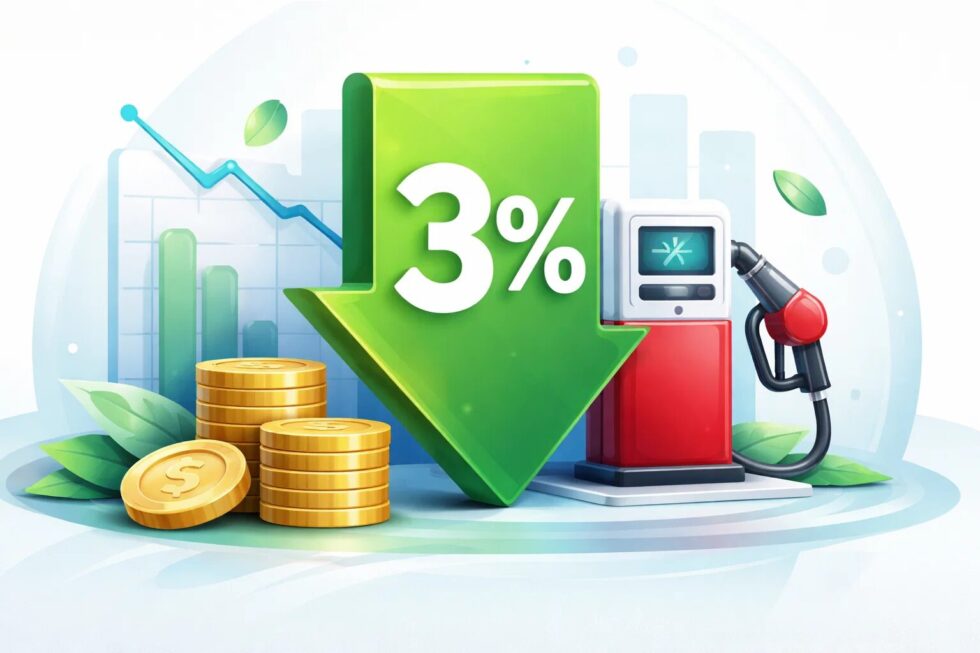
Inflation falls to 3% in the United Kingdom in January 2026, down from 3.4% in December, marking the lowest level in ten months, according to data released by the Office for National Statistics (ONS) on 18 February 2026. The decline was driven primarily by lower petrol prices and slower food price growth. Average petrol prices fell by 3.1 pence per litre between December 2025 and January 2026, while food inflation eased notably. The data increases expectations that the Bank of England could cut the Bank Rate from 3.75% to 3.5% at its March 2026 meeting, according to analysis by The WP Times via Office for National Statistics.
UK inflation January 2026: CPI slows to 3% as fuel prices decline
The Office for National Statistics reported on 18 February 2026 that the annual Consumer Prices Index (CPI) inflation rate fell to 3% in January from 3.4% in December 2025. This represents the lowest reading in ten months and matches forecasts made by economists prior to the release.
Motor fuels made the largest downward contribution to the monthly change. The ONS stated that the average price of petrol declined by 3.1p per litre between December and January. Diesel prices also eased, contributing to a reduction in transport-related inflation. Airfares were another significant factor, falling after seasonal increases recorded in December.
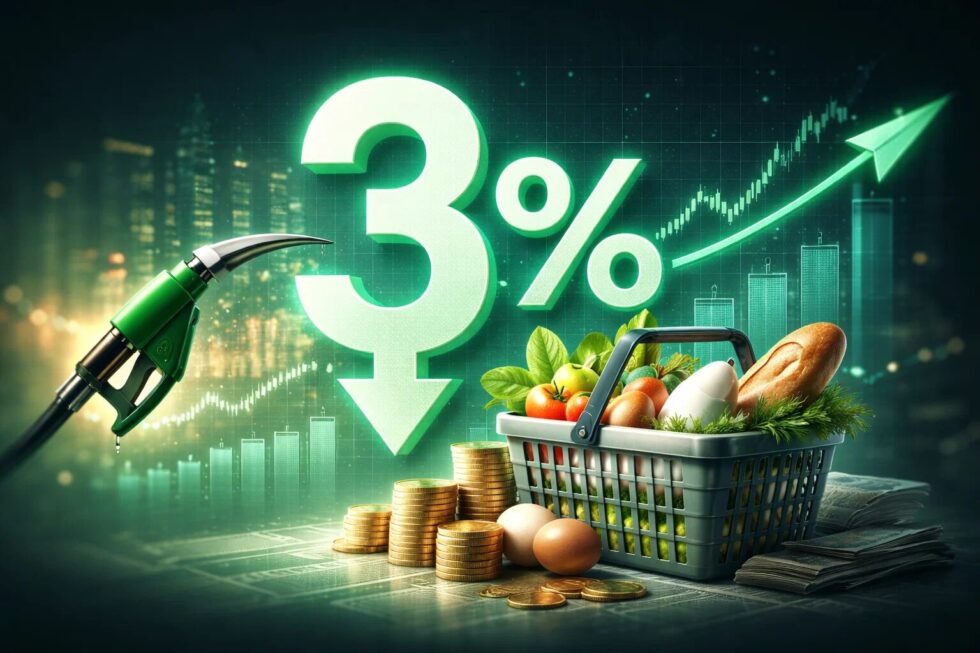
Food and non-alcoholic beverage inflation slowed from 4.5% in December to 3.6% in January. On a month-to-month basis, food prices were 0.1% lower than in December, largely due to declines in the cost of bread and cereals. This moderation reflects stabilising supply chains and reduced input costs.
Bank of England interest rate decision March 2026: market expectations
The latest inflation figures reinforce expectations that the Bank of England’s Monetary Policy Committee (MPC) may reduce the Bank Rate at its next meeting scheduled for March 2026. The current rate stands at 3.75%.
Market analysts indicate that a cut to 3.5% is increasingly likely following both the inflation data and weaker labour market figures released earlier this week. Official data showed unemployment reaching a five-year high, while wage growth slowed to its lowest level in nearly four years.
The Bank of England has previously signalled that monetary policy decisions will depend on sustained evidence that inflation is returning to its 2% target. According to the central bank’s projections, inflation is expected to approach 2% by mid-2026, partly due to measures introduced in the Autumn Budget.
UK GDP growth and labour market data: economic slowdown context
Inflation figures are being assessed alongside broader indicators of economic performance. The ONS reported that the UK economy grew by 0.1% in the fourth quarter of 2025. For the full year 2025, gross domestic product increased by 1.3%, a weaker outcome than many economists had anticipated.
The labour market data published on 17 February 2026 showed rising unemployment and cooling wage growth. Slower earnings growth reduces inflationary pressure but also signals weaker household income momentum.
These developments have strengthened the argument for monetary easing. Analysts from RSM UK and Pantheon Macroeconomics stated that January’s inflation drop may represent the beginning of a more pronounced decline toward the 2% target by April 2026.
What changed in January: inflation components comparison
The following table summarises the main changes between December 2025 and January 2026:
| Category | December 2025 | January 2026 | Change |
|---|---|---|---|
| CPI Inflation (annual) | 3.4% | 3.0% | -0.4 pp |
| Food inflation | 4.5% | 3.6% | -0.9 pp |
| Petrol prices | — | -3.1p per litre | Decrease |
| Alcohol & tobacco | 5.2% | 4.6% | -0.6 pp |
| Hotel accommodation | -0.1% | 1.1% | Increase |
| GDP growth Q4 | 0.1% | — | Stable |
While fuel and food prices contributed to lower inflation, accommodation costs rose. Hotel prices increased by 1.1% month-on-month in January after declining in December. Alcohol and tobacco inflation also slowed, falling from 5.2% to 4.6%.
Government measures and energy support April 2026
The Chancellor, Rachel Reeves, stated that reducing the cost of living remains a priority. Measures introduced in the Autumn Budget include a £150 reduction in household energy bills from April 2026. The government also announced a freeze on rail fares and prescription charges.
These policies are expected to moderate inflationary pressure in the coming months. Lower energy bills directly reduce household expenditure and indirectly ease production costs for businesses.
Households can monitor energy bill adjustments through official supplier communications and check eligibility for government support via the Department for Energy Security and Net Zero. Individuals concerned about financial strain may contact Citizens Advice for guidance on energy grants and payment plans.
What households and businesses should consider if rates fall
If the Bank of England reduces interest rates in March 2026, several areas will be affected:
Mortgages:
Homeowners on variable-rate mortgages may see monthly payments decrease. Borrowers can verify their rate type in mortgage agreements or contact their lender to confirm how a rate cut would apply.
Savings accounts:
Interest earned on savings may decline. Consumers should review account terms and compare fixed-rate options.
Business loans:
Lower rates could reduce borrowing costs for small and medium-sized enterprises. Companies should review lending agreements and assess refinancing options.
Consumer credit:
Credit card and personal loan rates may adjust depending on lender policy.
Inflation outlook April–Summer 2026: path to 2%
The Bank of England has projected that inflation could fall to the 2% target by mid-2026. Analysts suggest that January’s data supports this trajectory, particularly if energy and food prices remain stable.
However, risks remain. Accommodation costs and external energy market fluctuations could affect the pace of disinflation. The Monetary Policy Committee will evaluate additional data before confirming any sustained policy shift.
The combination of easing inflation, subdued GDP growth and a cooling labour market forms the current economic backdrop. Monetary policy adjustments are designed to balance price stability with economic support.
For households across the United Kingdom, the latest inflation data indicates that price pressures are easing, particularly for fuel and food. Whether interest rates fall in March will determine how quickly borrowing conditions improve for consumers and businesses in the months ahead.
Read about the life of Westminster and Pimlico district, London and the world. 24/7 news with fresh and useful updates on culture, business, technology and city life: UK TV licence fee to rise to £180 from April as BBC funding debate intensifies