One of Britain’s best-known car-sharing services is preparing to shut down completely, bringing an abrupt end to more than a decade of operations in the UK. Zipcar has formally confirmed that it will cease all UK services in early 2026, leaving around 650,000 registered drivers and thousands of business customers searching for alternatives. Accounts will be closed, vehicles removed from streets, and new bookings halted within weeks. The decision follows falling revenues, rising operating costs and major changes to London congestion charging. Customers who have paid subscriptions will receive pro-rated refunds, and no action is required from users. This is reported by The WP Times, citing official company announcements and internal communications.
Why is Zipcar leaving the UK
The closure marks a significant shift in Britain’s urban mobility market. Zipcar first entered the UK in 2007 and became one of the pioneers of flexible car rental, particularly in London. However, the company has struggled in recent years. Official accounts for 2024 show that revenue dropped from £53 million to £47 million, with the business citing the cost-of-living crisis, reduced consumer spending and higher operational expenses as key reasons. Additional pressure came from:
- rising insurance and vehicle maintenance costs
- increasing congestion charges in London
- competition from peer-to-peer platforms
- lower post-pandemic demand for shared vehicles
By late 2025, Zipcar had already withdrawn from Oxford, Cambridge and Bristol, concentrating almost entirely on London. Even this scaled-down model has now proved unsustainable.
Key dates every Zipcar user must know
The scale of the Zipcar shutdown is unprecedented for the UK car-sharing market. Around 650,000 British drivers, including more than 550,000 in London, rely on the service each year, while an estimated 12,000 businesses use Zipcar accounts for staff travel. With thousands of vehicles due to disappear from UK streets and millions of individual journeys affected, understanding the timetable of the closure is now essential for users. The company has set out a strict schedule for ending operations, disabling bookings and issuing refunds – and missing these dates could leave customers without transport options at short notice. The company has laid out a clear timeline for the shutdown process.
What will happen and when:
- New bookings: Disabled immediately
- Account closures: Within 30 days of the official notice
- Service end date: 16 February 2026
- Refund processing: By the end of January 2026
- Vehicles removed: Gradually through February
Until mid-February, existing accounts will technically remain open, but users will not be able to reserve cars.
Who is affected by the Zipcar closure
The closure will be felt across Britain’s cities where shared cars have become a routine transport option. In London alone, Zipcar vehicles are estimated to support millions of individual trips each year, replacing private car ownership for thousands of households. The shutdown affects daily commuters, families without a car, delivery workers and small firms that rely on short-term rentals instead of maintaining their own fleets. With more than 1,000 electric Zipcar vehicles due to disappear from London streets, many neighbourhoods will lose one of their most accessible mobility options almost overnight. The impact is substantial. Zipcar reports:
- 650,000 individual UK members
- Around 550,000 based in London
- 12,000 business accounts
- A fleet of several thousand vehicles, including more than 1,000 electric cars
For many urban residents without their own car, Zipcar has been a key part of everyday life – used for shopping trips, weekend travel, business errands and airport runs.
What happens to subscriptions and refunds
For most Zipcar users, the most urgent question is not why the company is leaving – but what happens to the money they have already paid. Thousands of customers hold annual or monthly plans, prepaid driving credit or corporate accounts funded in advance. With bookings now frozen and the service winding down, clarity over refunds has become essential. Zipcar has promised that all eligible members will receive pro-rated repayments automatically, but the timing and exact amounts will vary depending on individual plans and billing cycles. Understanding how the refund process works is crucial for anyone who paid upfront for a service that will soon no longer exist. One of the biggest concerns for customers is money already paid to Zipcar.
Refund policy in plain English
If you are a paying subscriber:
- You will receive a pro-rated refund for any unused portion of your plan
- Refunds apply from 31 December 2025 onward
- Payments will be processed automatically
- No action is required from customers
Zipcar has promised that all eligible refunds will be issued before the end of January 2026, and users will be notified once this is complete.
Impact of London congestion charge changes
Behind Zipcar’s UK exit lies a major shift in London transport policy. Industry analysts say recent changes to the capital’s Congestion Charge have significantly increased the cost of running large shared-vehicle fleets. Transport for London raised the daily charge from £15 to £18 and, crucially, ended the full exemption previously enjoyed by electric vehicles.
In its place, TfL introduced a 25% Cleaner Vehicle Discount – a concession that offers only partial relief and applies to a narrower range of cars. For operators such as Zipcar, which runs a fleet of more than 1,000 electric vehicles in London, the financial impact has been immediate. Vehicles that once entered the charging zone for free now incur daily fees, eroding margins on short trips and low-cost bookings.
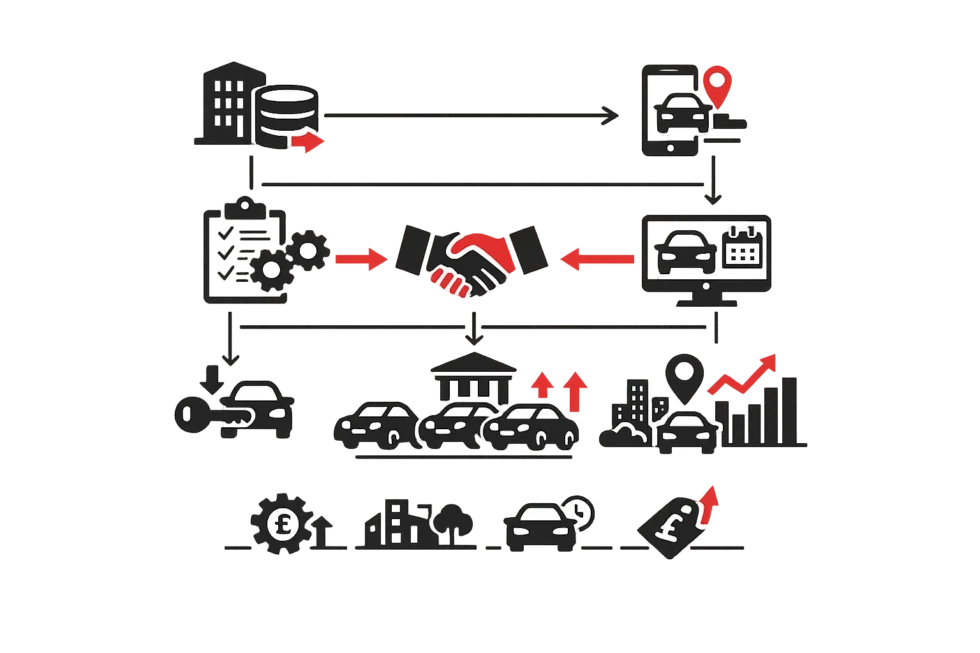
The changes effectively transformed what had been a cost advantage into a recurring expense. With thousands of journeys made each week, even modest per-trip charges translated into millions of pounds in additional annual costs – a burden that many observers believe tipped an already fragile business model over the edge.
What should Zipcar users do now
Although refunds are automatic, customers are advised to take a few practical steps:
- Download any invoices or trip history you may need
- Check that your payment details on file are up to date
- Explore alternative car-sharing services
- Remove the Zipcar app once accounts are closed
Zipcar has directed customers to Collaborative Mobility UK (CoMoUK), a charity that lists other car-sharing providers across the country.
Alternatives to ZAlternatives to Zipcar in the UK
Zipcar’s departure has created an immediate gap in Britain’s urban mobility market – and rival providers are moving quickly to fill it. Several established car-sharing platforms already operate nationwide, offering a mix of company-owned fleets and peer-to-peer rentals that can replace many of the journeys previously handled by Zipcar.
The main options now available to UK drivers include:
- Turo – a peer-to-peer marketplace where private owners rent out their own cars
- Enterprise Car Club – a traditional car-club model with vehicles stationed in towns and cities
- Hiyacar – neighbourhood-based rentals focused on local, short-term use
- Getaround – app-based sharing with hourly bookings and keyless access
Among them, Turo has been the most aggressive in courting displaced Zipcar customers, launching targeted advertising campaigns across London within days of the closure announcement. The platform promotes a different model – matching drivers directly with local car owners – and argues that it offers greater choice and flexibility than fixed fleets.
For former Zipcar members, the shift will mean adjusting to new pricing structures, insurance rules and booking systems. But transport experts say the range of alternatives should ensure that car sharing in the UK survives – even if the era of Zipcar itself has come to an end.
Comparison: Zipcar vs main alternatives
| Feature | Zipcar (closing) | Turo | Enterprise Car Club |
|---|---|---|---|
| Vehicle ownership | Company fleet | Private owners | Company fleet |
| Hourly rental | Yes | Sometimes | Yes |
| Business accounts | Yes | Limited | Yes |
| London coverage | Extensive (until 2026) | Growing | Good |
| Refunds | Automatic | Not applicable | Standard policies |
| App booking | Yes | Yes | Yes |
What about business customers
For thousands of UK companies, Zipcar was more than a convenience – it was part of daily operations. Around 12,000 businesses used the service to manage staff travel, site visits and short-notice logistics without the expense of owning pool cars. The closure now forces those organisations to rethink how they move people and goods.
Many firms will need to migrate quickly to new suppliers, renegotiate corporate mobility policies and replace booking systems that were built around Zipcar’s platform. For small businesses in particular, the change may bring higher costs and administrative disruption. Larger companies that relied on integrated accounts and central billing will also have to rebuild internal processes.
Industry analysts expect the gap to be filled mainly by Enterprise Car Club and other corporate-focused providers. Demand for flexible business car-sharing is unlikely to disappear, but companies will need to adapt to new contracts, different vehicle locations and unfamiliar pricing structures.
Wider impact on UK car-sharing
Zipcar’s exit raises uncomfortable questions about the future of shared mobility in Britain. The concept of pay-as-you-drive vehicles remains popular, but the economics have become increasingly challenging. Rising insurance, maintenance and congestion charges have made large fixed fleets harder to operate profitably.
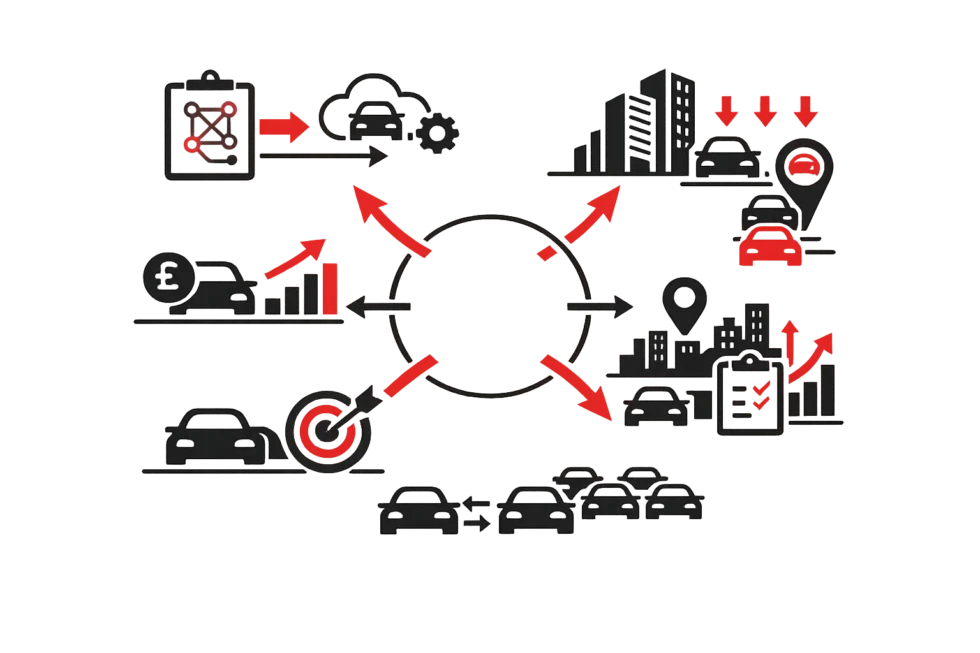
Experts argue that car-sharing can still thrive – but only under the right conditions. Successful models will depend on tightly controlled operating costs, supportive city policies, high vehicle utilisation and pricing that reflects real demand rather than artificially low introductory rates.
London, in particular, remains a huge potential market. Yet the closure shows how sensitive the sector is to regulatory changes and cost pressures. Other operators will continue to serve British cities, but the era of a single dominant nationwide car club appears to be over.
Frequently asked questions
Will I lose money if I have credit on my account?
No. Zipcar says all eligible balances will be refunded automatically.
Can I still use a Zipcar I already booked?
Existing reservations will be honoured only until services are fully disabled.
Do I need to cancel my membership?
No. Accounts will be closed by Zipcar without any action required.
Where can I find a replacement service?
CoMoUK provides an official directory of alternative car-sharing options across the UK.
Zipcar’s withdrawal marks the end of a defining chapter in British urban transport. What began as a simple idea – access to a car without owning one – helped change travel habits across major cities. But higher costs, tougher regulations and shifting consumer behaviour have reshaped the landscape. For hundreds of thousands of former users, the immediate priorities are refunds, replacements and adjusting to new ways of getting around. The car-sharing market will survive – but it will look very different in the years ahead.
Read about the life of Westminster and Pimlico district, London and the world. 24/7 news with fresh and useful updates on culture, business, technology and city life: Why Is London Zipcar free parking being offered in 200 bays as Southwark tries to stop Zipcar leaving