

Married at First Sight UK has been plunged into one of the most serious crises in British reality television after three women told BBC they experienced alleged rape, sexual misconduct and safeguarding failures while filming the hit Married at First Sight UK franchise for Channel 4. The allegations, broadcast as part of a major BBC Panorama investigation, centre on claims that production teams and welfare staff failed to adequately protect participants despite warnings, complaints and visible signs of distress during filming. Audience figures for the programme regularly exceeded three million viewers, turning MAFS UK into one of Channel 4’s most commercially valuable entertainment properties, while concerns about contestant welfare were growing behind the scenes, reports The WP Times.
The investigation alleges that two women say they were raped by their on-screen husbands during production, while a third woman described what legal experts interviewed by Panorama characterised as a potentially non-consensual sexual act. All of the men accused deny wrongdoing. Channel 4 and production company CPL insist that safeguarding procedures were followed and that allegations remain disputed and uncorroborated, but the broadcaster has now removed all previous seasons of MAFS UK from streaming services and social platforms while an external review takes place.
BBC Panorama investigation puts Channel 4 under pressure over MAFS UK welfare system
The Panorama documentary, titled The Dark Side of Married at First Sight, focused on allegations from three former participants who say the format of the programme created situations where contestants became isolated, emotionally dependent and vulnerable while being filmed almost constantly. The women argue that the welfare structure surrounding the programme prioritised production continuity over participant protection. The allegations have triggered wider debate inside the British television industry about reality TV ethics, contributor safeguarding and the limits of entertainment formats built around emotional intensity.
According to the investigation, Channel 4 had already been made aware of some allegations before episodes were broadcast. Despite this, programmes featuring the women remained available through the broadcaster’s streaming platform. The broadcaster later confirmed it had launched an external review into contributor welfare after receiving “serious allegations of wrongdoing”.
The format of MAFS UK places strangers into accelerated relationships in which participants are paired by television experts before taking part in non-legally binding weddings, honeymoons and shared living arrangements while being continuously filmed. Critics interviewed by Panorama argued that such environments can blur emotional boundaries and intensify pressure around intimacy.
Prof Helen Wood, a media academic interviewed in the programme, described the production environment as “dangerous” because contestants are placed inside an “unnatural” reality TV bubble where normal outside support systems are restricted.
“The bubble of the show assumes that there will be intimacy, and that is a dangerous situation,” Prof Wood said during the investigation.
Baroness Helena Kennedy KC, chair of the Creative Industries Independent Standards Authority, went even further by describing the format as “televised abuse” and called for an independent investigation into the programme’s welfare systems. She also questioned whether MAFS UK should remain on air at all under its current structure.
Lizzie alleges rape and acid attack threats during filming of Married at First Sight UK
One of the women interviewed by Panorama, identified under the pseudonym Lizzie, alleged that her on-screen husband raped her during filming and threatened her with an acid attack if she spoke publicly about his behaviour. The allegations emerged from events that allegedly occurred during the honeymoon stage of the production, where contestants are filmed while living together away from their normal environments.
Lizzie told the BBC that she initially noticed “red flags” in private behaviour away from the cameras, including aggressive mood swings and discussions about violence in previous relationships. According to her account, she informed the welfare team about concerns during filming. Lawyers representing CPL later said the production company discussed the situation with both participants and that Lizzie did not indicate at the time that she felt unsafe.
The woman alleged that sexual encounters later became violent and included bruising despite repeated objections. Panorama reported that welfare staff photographed bruises shown to them by Lizzie. CPL lawyers argued that the injuries had been described at the time as resulting from consensual rough sex rather than assault.
Lizzie described one alleged incident in detail, saying her on-screen husband ignored repeated refusals during an encounter inside their apartment. She alleged that he told her: “You can’t say no, you’re my wife.” She later said she froze with fear during the incident and contacted welfare staff the following morning.
Lawyers representing the man strongly deny all allegations of rape, violence and threats. They maintain that all sexual activity between the pair was consensual. Channel 4 said it only became aware of the rape allegation after the series had already aired and argued it would be unfair to assess decisions made during filming based on information not available at the time.
Lizzie is now pursuing legal action against CPL, arguing that the production company failed to implement sufficient safeguarding procedures once warning signs emerged.
Chloe says she reported alleged assault before the show was broadcast
A second participant, referred to by Panorama as Chloe, alleged that she informed both Channel 4 and CPL about rape allegations before her series was broadcast. Despite her complaint, episodes featuring her remained on air and available for streaming.
Chloe described an earlier alleged incident in which she woke up to her on-screen husband allegedly touching her body while she slept. She said she immediately reported the situation to welfare staff. Lawyers representing CPL responded by saying Chloe had indicated she did not feel unsafe and did not wish for production staff to intervene directly with her partner.
The most serious allegation involved an incident after the couple had already begun a consensual sexual relationship. Chloe alleged she explicitly refused sex before her on-screen husband proceeded anyway. According to her account, she stopped resisting physically because she feared confrontation and later told the BBC that she stared out of the window waiting for the situation to end.
She alleged that her partner later became angry and told her she should have physically fought him off if she truly did not consent. Lawyers representing the man dispute important aspects of her account. They say the encounter began consensually and that he stopped immediately once he realised she no longer wished to continue.
Chloe later spoke to the programme psychiatrist after filming ended and said she only then felt safe enough to describe events fully. According to her account, the psychiatrist characterised her description as rape. CPL’s legal representatives said welfare protocols were followed throughout production and that before making the rape allegation Chloe had described all sexual activity as consensual.
The woman also claimed that watching the series after broadcast had a devastating impact on her mental health, leaving her with suicidal thoughts. None of the allegations have been reported to police.
Shona Manderson publicly identifies herself in Panorama documentary
Unlike the other two women, former contestant Shona Manderson chose to appear publicly in the documentary under her own name. Manderson appeared on the 2023 season of MAFS UK and described what she viewed as a serious breach of consent involving her on-screen husband Bradley Skelly.
According to Manderson, the couple had agreed to use the withdrawal method of contraception during sex. She alleged that Skelly ejaculated inside her without permission. Lawyers representing Bradley Skelly deny misconduct and argue the relationship was consensual and affectionate throughout filming.
Shona told Panorama she later required emergency contraception and eventually discovered she was pregnant approximately one week after leaving the show. She decided to undergo an abortion. Although she said she could not confirm whether the pregnancy resulted directly from the alleged incident, she argued that production teams should have intervened more forcefully earlier in the relationship.
At the time, the programme had already begun highlighting concerns over controlling behaviour within the relationship. MAFS experts confronted Bradley Skelly on camera about the way he communicated with her. Shortly afterwards, the couple were removed from the experiment by producers over concerns the relationship had become unhealthy.
Skelly denies allegations of sexual misconduct and says all interactions between the pair were consensual. His legal representatives also dispute allegations that he behaved in a controlling way.
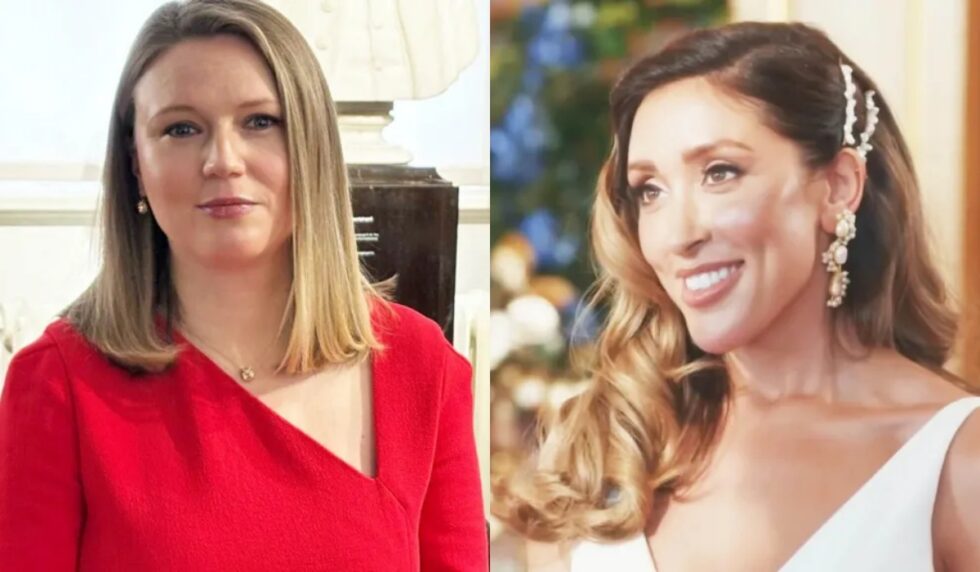
Channel 4 removes MAFS UK episodes after allegations become public
As pressure intensified following publication of the Panorama investigation, Channel 4 confirmed it had removed all previous seasons of Married at First Sight UK from streaming and social media platforms. The broadcaster said the decision followed serious allegations involving a “small number” of former contributors.
Outgoing Channel 4 chief content officer Ian Katz said the allegations were “very serious” and confirmed the broadcaster would review the Panorama findings carefully. Shortly afterwards, Channel 4 announced that an external review into welfare procedures had already been commissioned before the documentary aired.
CPL Productions defended its welfare structure as “industry-leading” and “gold standard”. Lawyers acting for the production company said participants were offered psychological screening, welfare support teams and ongoing mental health access throughout filming and afterwards. The company insists decisions were made based on information available at the time and says multiple participants publicly praised the support they received on the show.
However, critics argue that the allegations raise broader questions about how reality television formats handle intimacy, coercion and psychological pressure. The controversy also arrives at a difficult moment for the British television industry, where regulators and broadcasters have already faced scrutiny over contributor welfare following previous scandals linked to reality programming.
Reality television industry faces renewed safeguarding debate in Britain
The allegations surrounding Married at First Sight UK are now likely to fuel a wider debate across British broadcasting about participant protection and the ethics of relationship-based reality television. Over the past decade, UK broadcasters have repeatedly faced criticism over mental health support, contestant vetting and aftercare procedures following incidents involving reality TV participants across multiple formats.
Media analysts say programmes built around emotional conflict and accelerated intimacy create unusually high safeguarding risks because contestants operate inside controlled environments with limited access to outside support systems. Experts interviewed by Panorama argued that contributors may feel pressure to continue filming despite discomfort because of contracts, public exposure and emotional dependency created during production.
The commercial success of MAFS UK also complicates the situation. The programme became one of E4’s highest-performing formats and a major streaming product for Channel 4. Audience numbers regularly crossed the multi-million mark and the franchise generated extensive social media engagement, celebrity spin-offs and advertising value.
Industry observers now expect questions to intensify around whether existing safeguarding structures are genuinely independent from production pressures. Baroness Helena Kennedy’s demand for external investigators reflects growing concern that welfare systems overseen directly by production companies may create conflicts between participant safety and entertainment delivery.
The latest season of Married at First Sight UK has reportedly already been filmed and is still expected to air later this year, although the Panorama revelations may now place future scheduling decisions under renewed scrutiny from regulators, advertisers and viewers alike.
Read about the life of Westminster and Pimlico district, London and the world. 24/7 news with fresh and useful updates on culture, business, technology and city life: What is happening in Westminster today: major road closures, events and disruptions on 18 May 2026