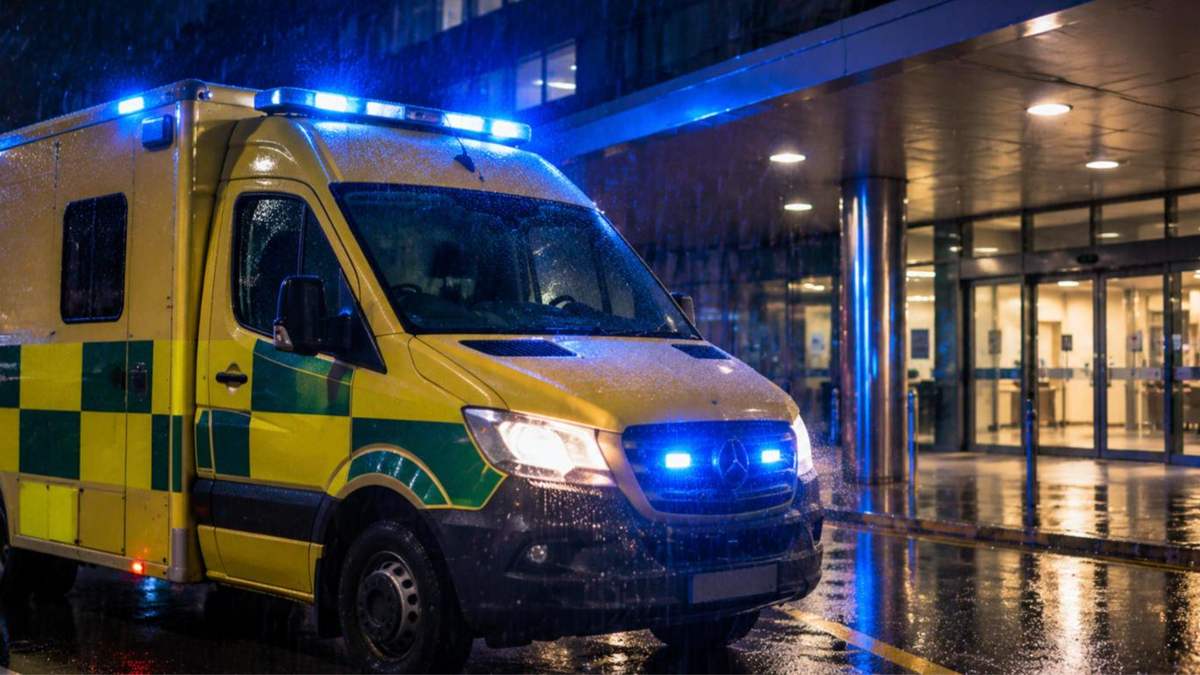
London Ambulance Service declared a critical incident on Thursday 19 November 2026 after three consecutive days of more than 7,300 emergency calls, volumes higher than on most New Year's Eves, the busiest night of the year for the capital's 999 service. The service received 7,326 calls on Monday, 7,366 on Tuesday and 7,369 on Wednesday, around 500 more a day than the previous week and well above the 5,500 its call handlers take on a typical busy day, and it is asking Londoners to call 999 only for serious or life-threatening emergencies, reports The WP Times.
The surge is being driven by colder weather and an early rise in respiratory and viral infections. Life-threatening emergencies involving breathing problems are up almost 20% so far this November compared with the same period last year, and Category 1 calls, the most serious incidents including cardiac arrests, are 10% higher. Declaring a critical incident allows the trust to halt non-essential work, move managers back into patient-facing roles, put extra ambulances on the road at peak times and work with hospitals to speed up handovers at A&E. For anyone in Westminster, Pimlico or elsewhere in London with a less urgent problem this weekend, the service points to NHS 111, GPs and local pharmacies.
Why has London Ambulance Service declared a critical incident?
A critical incident is declared when pressure on a health service is so high that it threatens the safety of patients or staff, or the service's ability to function normally. In this case, the trigger was sustained demand rather than a single event: three days in a row of more than 7,000 calls, each above the level the service normally sees only on its busiest nights. The trust said there was no sign of demand easing in November.
The pattern matches the early onset of winter pressure seen across the NHS. Colder temperatures increase calls from older people and those with heart and lung conditions, and the early circulation of flu and other respiratory viruses adds to the volume of breathing-related emergencies, which are among the most time-critical calls ambulance crews handle.
| Day | 999 calls received |
|---|---|
| Monday 16 November | 7,326 |
| Tuesday 17 November | 7,366 |
| Wednesday 18 November | 7,369 |
| Typical busy day | About 5,500 |
| Increase on the previous week | About 500 calls a day |
What London Ambulance Service said
London Ambulance Service published the figures on its website. The trust's chief operating officer linked the decision directly to the persistence of demand and asked the public to help by keeping 999 lines free for the most serious cases.
"The number of calls has remained very high for several days, so we have declared a critical incident to take extra steps to reach patients who need us most urgently" (Craig Harman, chief operating officer of London Ambulance Service, in a statement on 19 November 2026).
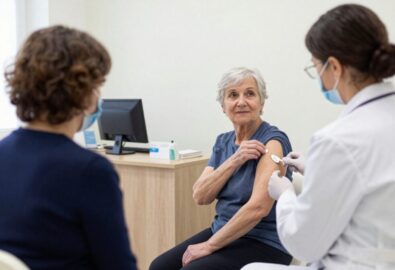
Harman said colder weather "can have a serious impact on people's health" and that the service was "already seeing very high demand this winter". He urged people eligible for a flu vaccine to book it as soon as possible and to look out for vulnerable neighbours and relatives during the cold spell.
- Breathing-related life-threatening emergencies: up almost 20% on last November.
- Category 1 incidents, including cardiac arrests: up 10% on last year.
- Daily call volumes above most New Year's Eves for three days running.
- No sign of demand easing during November, according to the trust.
What a critical incident means for patients
For people with life-threatening emergencies, the service says nothing changes: they should call 999 immediately, and the measures are designed to get crews to them faster. For less serious conditions, response times may be longer, and callers may be assessed by a clinician over the phone rather than sent an ambulance, if that is the safest and quickest way to help them.
The trust is also working with hospitals to reduce the time ambulances spend queuing outside emergency departments, a major cause of delays in winter. Every hour a crew waits to hand over a patient is an hour it cannot respond to another call.
When to call 999
- Someone has stopped breathing or is struggling to breathe.
- Chest pain that could be a heart attack.
- Signs of a stroke: face drooping, arm weakness, speech problems.
- Heavy bleeding that will not stop, or a serious head injury.
- Someone is unconscious or having a seizure for the first time.
When to use NHS 111, a GP or a pharmacy
- Coughs, colds, sore throats and flu-like symptoms without severe breathing difficulty.
- Minor injuries such as sprains and small cuts.
- Repeat prescriptions and medication questions.
- Advice on whether symptoms need urgent care.
What the service is doing to cope
London Ambulance Service, in its critical incident, has been preparing for winter with partners across the capital for several months. The critical incident lets it accelerate those plans and redirect staff and managers to frontline work.
- Additional ambulances deployed at times of peak demand.
- More clinicians assessing patients over the phone, so people get appropriate advice without attending busy A&E departments.
- Closer work with hospitals to speed up patient handovers.
- More crews on the road and more staff in control rooms.
- Trusted AI tools used to support the recording of patient notes.
- Non-essential activity paused while the incident is in place.
What it means for Westminster this weekend
For London Ambulance Service, central London is one of the busiest areas for calls, with large numbers of visitors, shoppers and theatregoers on top of residents. This weekend brings particularly heavy footfall: Hyde Park Winter Wonderland is in its first full weekend, the West End Christmas lights draw crowds to Oxford Street and Regent Street, and travel disruption from the Piccadilly line strike on Saturday will push more people onto buses and pavements.
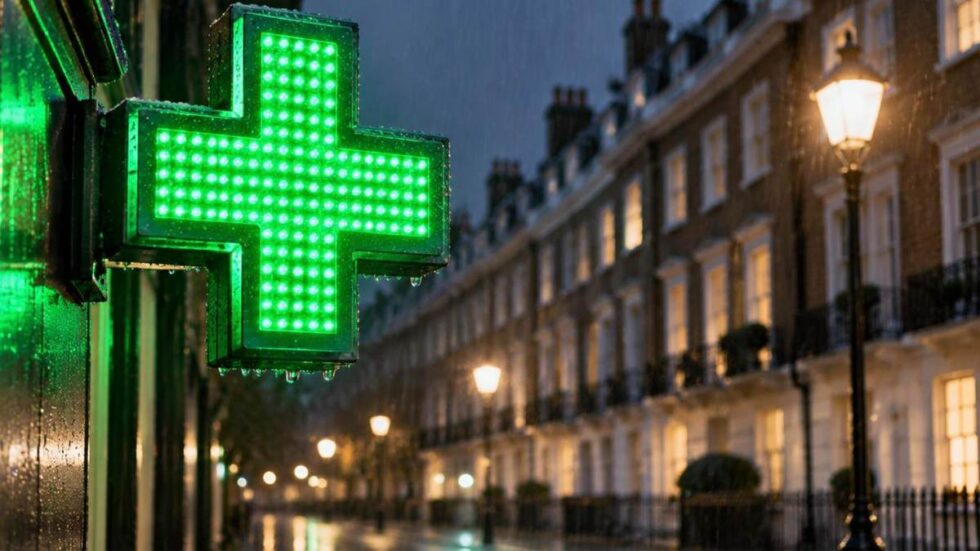
For visitors, the main advice is to plan ahead and use non-emergency services where appropriate. Pharmacies in the West End, including late-opening branches around Piccadilly Circus, Oxford Street and Victoria, can advise on minor illnesses, and NHS 111 is available online and by phone at any hour. Urgent treatment centres can treat injuries that are not life-threatening.
| Need | Where to go |
|---|---|
| Life-threatening emergency | Call 999 |
| Urgent but not life-threatening | NHS 111 online or by phone |
| Minor illness or medication advice | Local pharmacy |
| Ongoing or routine health problem | GP surgery |
| Minor injury | Urgent treatment centre |
How often London declares critical incidents
Ambulance services declare critical incidents most often in winter, when respiratory illness, falls in icy weather and hospital pressures combine. London Ambulance Service has declared them in previous winters during peaks in demand, and other NHS trusts in the capital have declared their own critical incidents when emergency departments or bed capacity have been overwhelmed. The declaration is usually stood down once demand falls back to manageable levels, and the trust has not said how long this one will last.
This year's alert comes earlier than in many recent winters, in the third week of November, which reflects the early rise in respiratory infections reported across England. The NHS winter vaccination programme, covering flu and COVID-19 for eligible groups, is under way, and the trust is encouraging those eligible to book.
Background: London Ambulance Service
London Ambulance Service is the NHS trust responsible for emergency ambulance care across the capital's 32 boroughs and the City of London. Its busiest single nights are usually New Year's Eve, when call volumes spike after midnight. That this week's ordinary weekdays exceeded those levels is the clearest measure of the pressure the service describes.
For more on what is happening in London this weekend, see things to do in London this weekend, 21 to 22 November, rough sleeping and cold weather support in Westminster and London Tube strikes this winter.
London Ambulance Service critical incident: frequently asked questions
Why has London Ambulance Service declared a critical incident?
Because 999 calls exceeded 7,300 a day for three consecutive days, above most New Year's Eves, driven by colder weather and an early rise in respiratory infections.
When was the critical incident declared?
On Thursday 19 November 2026.
Should I still call 999 in an emergency?
Yes. Anyone with a serious or life-threatening emergency should call 999 straight away.
What should I do if it is not an emergency?
Use NHS 111 online or by phone, contact your GP, or visit a local pharmacy.
How many calls does London Ambulance Service normally receive?
Around 5,500 calls on a typical busy day.
How long will the critical incident last?
The service has not given an end date. Critical incidents are stood down once demand returns to manageable levels.
Why are breathing emergencies rising?
The trust links the increase, almost 20% on last November, to colder weather and an early rise in respiratory and viral infections.
More London news, travel updates and Westminster guides from The WP Times. Read also: things to do in London this weekend, Trafalgar Square Christmas tree 2026, rough sleeping in London and Westminster and Vauxhall Bridge could close to buses.
Sources used: London Ambulance Service, ITV News London, NHS England, Evening Standard, Yahoo News UK.