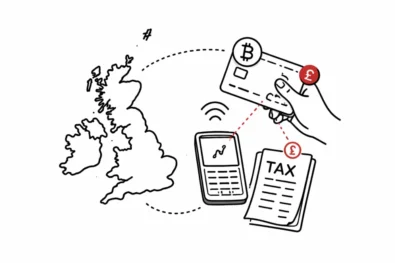
Bitcoin, the world’s first and most famous cryptocurrency, has spent over a decade oscillating between periods of euphoric growth and sharp corrections. Its journey has been defined by extreme volatility, turning early investors into millionaires while leaving others to grapple with significant losses. As we look towards 2025, the central question for both seasoned investors and newcomers remains: is now the right time to invest in Bitcoin? The answer is far from simple, tied to a complex web of technical factors, macroeconomic trends, and evolving regulatory landscapes. To make an informed decision, it's crucial to understand the powerful arguments from both the bulls and the bears, including the perspective from major financial hubs like London, a topic extensively covered by the editors of The WP Times.
The Bullish Case: Why Bitcoin Could Surge in 2025
For those who believe in Bitcoin's long-term potential, the arguments for a price surge in 2025 are compelling and multifaceted. One of the most significant factors is the Bitcoin Halving, a pre-programmed event that occurs approximately every four years, reducing the rate at which new Bitcoin is created. Historically, each halving has preceded a major bull run as the supply shock meets steady or increasing demand. In addition, we are seeing a dramatic increase in institutional adoption, with major financial players launching Bitcoin-related products and including the asset in their portfolios. This legitimizes Bitcoin and brings a wave of new capital into the market. Furthermore, Bitcoin’s fixed supply of 21 million coins reinforces its fundamental value proposition as a scarce, deflationary asset, making it an attractive store of value in an inflationary world.
Halving, Institutional Adoption, and Scarcity
The unique economic design of Bitcoin is a key driver for its bullish narrative. The halving event creates a built-in supply constraint, making Bitcoin scarcer over time. This is in stark contrast to traditional fiat currencies, which can be printed without limit. The growing interest from institutional investors—including pension funds, hedge funds, and asset managers—signals a shift from a niche asset to a recognized component of a diversified portfolio. This institutional money provides a stable foundation for the market, potentially smoothing out some of the volatility seen in previous cycles. This institutional interest is particularly evident in global financial centres like London.
- Bitcoin Halving Event: A pre-programmed reduction in the rate of new Bitcoin creation, which has historically led to supply shocks and price rallies.
- Growing Institutional Investment: Major financial firms are increasingly allocating capital to Bitcoin, legitimizing the asset.
- Inflation Hedge Narrative: Bitcoin’s fixed supply makes it a potential hedge against currency debasement and rising inflation.
- Increasing Public Awareness: Greater understanding and accessibility through user-friendly exchanges and financial products.
- Development of the Lightning Network: This Layer 2 solution is making Bitcoin transactions faster and cheaper, improving its utility.
The narrative of Bitcoin as "digital gold" is gaining traction, especially in the context of geopolitical uncertainty and economic instability. Its decentralized nature and lack of government control are seen as a safe haven asset by a growing number of investors. The Lightning Network's ongoing development is also addressing one of Bitcoin’s long-standing weaknesses—its slow transaction speed—making it more practical for everyday use. These factors combine to paint a picture of an asset that is maturing and becoming an indispensable part of the global financial system.
The Bearish Case: The Risks and Regulatory Hurdles
Despite the optimism, Bitcoin is not without significant risks and challenges that cannot be ignored. The most immediate concern is its extreme volatility, which can lead to rapid and unpredictable price swings. This makes it a high-risk asset, and investors must be prepared for the possibility of substantial losses. A major ongoing risk is regulatory uncertainty. Governments and financial authorities around the world are still debating how to regulate cryptocurrencies. This is particularly relevant in financial powerhouses like London, where the approach to regulation is both cautious and influential. Unfavorable new laws, stricter taxation, or outright bans in key jurisdictions could have a major negative impact on the market.
Market Volatility and Regulatory Uncertainty
The very characteristics that appeal to some investors—decentralization and lack of government oversight—are seen as red flags by regulators. The UK’s Financial Conduct Authority (FCA), for instance, has taken a cautious approach, focusing heavily on consumer protection and anti-money laundering measures. The lack of a clear, unified global regulatory framework creates significant hurdles for widespread adoption and could deter large-scale institutional investment. Furthermore, Bitcoin faces stiff competition from thousands of other cryptocurrencies (altcoins) that offer different technologies or use cases, some of which may prove to be superior in the long run.
| Risk Factor | Description | Impact on Bitcoin |
| Market Volatility | Extreme price swings that can lead to rapid gains or losses. | Makes Bitcoin a high-risk, speculative asset for most investors. |
| Regulatory Risk | New laws, taxes, or bans from governments and financial bodies. | Can limit market access and discourage new investment, creating a "chilling effect." |
| Technological Risk | Competition from newer, more advanced cryptocurrencies or a major technical flaw. | Could lead to a loss of market dominance or a decline in perceived value. |
| Environmental Concerns | The high energy consumption of Bitcoin mining. | Creates a negative public perception and may invite regulatory action targeting mining operations. |
The cautious approach of regulators in financial hubs like London and New York highlights the ongoing concerns about consumer protection and market integrity. Any major negative headlines or regulatory clampdowns can quickly erode investor confidence. The constant fear of a "black swan" event—an unforeseen and catastrophic market crash—is a persistent risk for Bitcoin.

London's Evolving Role in the Global Crypto Economy
London, as a leading global financial hub, has a complex but crucial role in the future of Bitcoin and the broader crypto market. The city's financial and legal ecosystem is a key battleground where traditional finance and decentralized technology are clashing and, in some cases, collaborating. While the UK has not adopted a "pro-crypto at all costs" approach, its strategy is more nuanced, focusing on fostering responsible innovation within a controlled environment. The FCA's regulatory sandbox allows crypto firms to test new products and services under supervision, a move designed to both protect consumers and encourage growth. This cautious but forward-looking stance is being watched closely by regulators worldwide.
Regulation, Fintech, and a Cautious Approach
The UK government and financial authorities are actively working to find a balance that supports London's status as a FinTech powerhouse while ensuring market stability and integrity. London is home to numerous crypto exchanges, service providers, and venture capital firms that are driving innovation in the sector. These firms are at the forefront of developing institutional-grade products, such as crypto custody solutions and regulated trading platforms. The UK’s leadership in a potential central bank digital currency (CBDC) also signals its commitment to staying relevant in the digital finance space.
- FCA's Regulatory Sandbox: Allows companies to test innovative products in a controlled environment.
- Growth of London-based Exchanges: A number of platforms have established a strong presence in the city, serving institutional and retail clients.
- Focus on Crypto Legal and Professional Services: London’s legal and accounting firms are specializing in crypto, providing a high level of expertise.
- UK's Stablecoin Consultation: The government is actively exploring the regulation of stablecoins, indicating a shift towards a more defined legal framework.
- Financial Market Infrastructure Sandbox: A new framework to allow firms to experiment with blockchain technology for traditional financial services.
London's cautious but practical approach contrasts with more permissive jurisdictions. By prioritizing robust regulation and consumer protection, the UK aims to build a trusted crypto market that will attract long-term, institutional capital. This strategy positions London not as a reckless crypto frontier, but as a mature and reliable financial center for the next generation of digital assets.
In 2025, the decision to invest in Bitcoin is as complex and personal as ever. The asset stands at a crossroads, buoyed by powerful forces like the Halving and institutional interest, while facing significant headwinds from market volatility and regulatory uncertainty. The evolving role of financial hubs like London highlights the global nature of this debate, where innovation and regulation must find a delicate balance. Ultimately, there is no simple yes or no answer; the right choice depends on your risk tolerance, investment horizon, and personal belief in Bitcoin's future.
Read about the life of Westminster and Pimlico district, London and the world. 24/7 news with fresh and useful updates on culture, business, technology and city life: Attracting Investments in 2025: Your Guide to Funding Success from London to Silicon Valley.