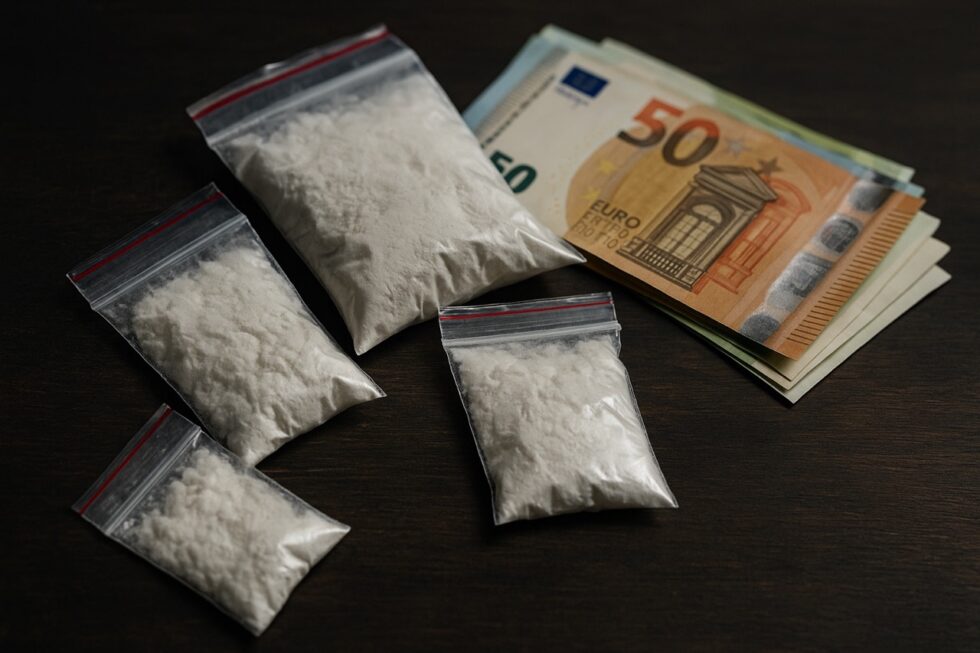
The global cocaine market is experiencing a historic price collapse in 2025 — and its roots lie thousands of kilometres away in Colombia. After the country ended its decades-long conflict with the FARC in 2016, coca cultivation expanded at a scale never seen before. According to United Nations data, coca-growing areas increased by 73% between 2016 and 2024, now exceeding the entire surface area of Berlin. The effect is now felt sharply across Europe: In Frankfurt, a gram of cocaine costs just €30–50, compared to around €100 for many years. As The WP Times reports, citing investigative findings from Der Spiegel., this dramatic shift is reshaping Europe’s drug landscape.
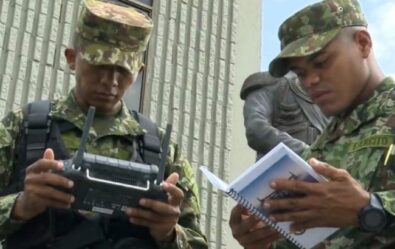
Colombia’s post-conflict landscape created a power vacuum in rural regions. As the FARC withdrew, dissident groups, local criminal factions and international cartels moved in. New plantations emerged in remote areas of Nariño, Cauca and Putumayo, while modern mobile “cocaine labs” spread deeper into rainforest zones that the state has long struggled to control. The outdated Ley 30 de 1986, Colombia’s central drug regulation, is widely considered insufficient for today’s far more sophisticated trafficking networks.
By 2024, Colombia reached the highest cocaine production levels ever recorded. Trafficking groups modernised transport logistics, built alliances with Mexican cartels and expanded transatlantic routes. West Africa — especially Guinea-Bissau, Sierra Leone, Nigeria and Ghana — has become a major transit hub, allowing shipments to bypass reinforced controls in South America. The UN describes the region as a “permanent axis of global cocaine flow.”
Europe is now the most profitable destination for traffickers. Record seizures in major ports highlight the scale: In 2024, more than 350 tonnes of cocaine were intercepted across the EU — the highest figure in European history. Antwerp alone seized 116 tonnes, followed by Rotterdam and Hamburg. Law-enforcement agencies emphasise that these numbers represent only a fraction of the actual volume arriving in Europe.
Germany, while not a primary entry point, has become a key end market. Investigators report rising cocaine purity, a shift to online sales via encrypted messaging apps and the spread of decentralised “cocaine kitchens” in North Rhine–Westphalia, Berlin and Bavaria. With oversupply pushing prices down, authorities are observing a surge in first-time users, particularly among young adults. Hospitals in Berlin, Frankfurt and Munich report more acute intoxications and cocaine-related psychiatric emergencies.
The increased availability also fuels violence. Rival small-scale dealer groups are competing for local territories, while money laundering networks expand through nightlife, logistics companies and cryptocurrency operations. Officials warn that some German cities are seeing early signs of “parallel criminal economies” similar to those in the Belgian and Dutch port regions.
The European Union has begun responding. The European Ports Alliance, launched in 2024, aims to unify scanning systems and risk profiling across major ports. Germany’s 2025 Port Security Act allocates €310 million in new annual funding for customs and investigative units. The EU’s Action Plan Against Cocaine (2024–2028) expands cooperation with Colombia, strengthens maritime surveillance and targets micro-trafficking networks. Yet experts caution that the market’s oversupply could continue for years.
The dramatic price collapse in Europe reveals how deeply interconnected global security, geopolitics and the illegal drug economy have become. Colombia’s peace deal ended a civil war — but inadvertently created conditions for a global cocaine surge that Europe is now forced to confront. Whether political measures can contain this dynamic will shape the continent’s security landscape for years to come.
Read about the life of Westminster and Pimlico district, London and the world. 24/7 news with fresh and useful updates on culture, business, technology and city life: Why is Russia now selling physical gold from its national reserves for the first time