Valentine messages now play a decisive role in how Valentine’s Day is experienced in the UK, often outweighing gifts, restaurant bookings or social media gestures. On 14 February, the words partners choose — and the silences they leave — increasingly shape not only the emotional tone of the day, but the wider stability of the relationship. In 2026, Valentine’s Day has shifted away from visible romance towards verbal precision, emotional awareness and mutual respect, according to analysis by The WP Times editorial team.
Data from UK relationship and behavioural studies published over the past decade indicate that more than 70% of couples consider words and personal messages to be the most important element of Valentine’s Day, while fewer than 30% prioritise gifts or experiences. At the same time, counselling services report a consistent spike in relationship-related disputes around 14 February, with nearly one in three disagreements linked to unmet expectations or unclear communication rather than material disappointment.
Valentine’s Day remains one of the most psychologically charged dates of the year. Emotional sensitivity is heightened, comparison pressure increases and assumptions are easily misread. Against this backdrop, language functions as the primary stabilising tool. A carefully considered Valentine message can reinforce trust, reassurance and emotional alignment.
Why Valentine’s Day still matters in modern Britain
Valentine’s Day has deep historical roots, tracing back to traditions of courtship and written expression that became firmly established in Britain by the 18th century. What has changed is not the importance of the day, but the way it is handled. In a culture dominated by speed and convenience, deliberate language now stands out more than ever.
In 2026, many couples in the UK are moving away from scripted gestures and towards meaning. A short, honest Valentine message often carries more emotional weight than an expensive gift, particularly when it reflects how the relationship actually feels — not how it is expected to look.
“I love you” in the world’s most spoken languages
Using another language can add nuance or symbolism to a Valentine message, especially when it reflects shared history, travel, or cultural identity.
| Rank | Language | “I love you” | English meaning |
|---|---|---|---|
| 1 | English | I love you | I love you |
| 2 | Mandarin Chinese | Wǒ ài nǐ | I love you |
| 3 | Hindi | Main tumse pyaar karta/karti hoon | I love you |
| 4 | Spanish | Te amo / Te quiero | I love you |
| 5 | French | Je t’aime | I love you |
| 6 | Arabic | Uhibbuka / Uhibbuki | I love you |
| 7 | Bengali | Ami tomake bhalobashi | I love you |
| 8 | Portuguese | Eu te amo | I love you |
| 9 | Russian | Ya tebya lyublyu | I love you |
| 10 | Urdu | Main tum se mohabbat karta/karti hoon | I love you |
| 11 | German | Ich liebe dich | I love you |
| 12 | Japanese | Aishiteru | I love you |
| 13 | Swahili | Nakupenda | I love you |
| 14 | Italian | Ti amo | I love you |
| 15 | Turkish | Seni seviyorum | I love you |
Ten meaningful Valentine phrases that go beyond “I love you”
- I love you with all my heart
- You are the most important person in my life
- I’m grateful to have you in my life
- With you, I feel at home
- You make my life better
- I love you for who you are
- Every day with you feels like a gift
- You are my love and my choice
- My heart is always with you
- I choose you again and again
These phrases work best when followed by one concrete reason — something specific the person did, said or represents in your life.
Valentine messages for a man
Valentine messages for a man work best when they speak to respect, reliability and emotional steadiness rather than overt sentimentality. From a psychological point of view, many men interpret Valentine’s Day not as a test of romance, but as a signal of how they are valued within the relationship. What matters most is recognition of their role, presence and consistency.
On 14 February, a man often responds more strongly to messages that acknowledge trust, appreciation and personal significance. Psychologists note that clear, grounded language tends to resonate more than abstract declarations. When a Valentine message reflects genuine admiration and emotional alignment, it reinforces confidence and emotional security rather than pressure. The most effective Valentine messages for men emphasise respect, choice and partnership. When words are calm, direct and sincere, they strengthen connection without creating unrealistic expectations — making Valentine’s Day a moment of stability rather than performance.

Happy Valentine’s Day. I admire your strength, your calm confidence and the way you move through life.
Happy Valentine’s Day. You make me feel safe, supported and understood.
Happy Valentine’s Day. Your presence brings balance and reassurance into my life.
Happy Valentine’s Day. I respect the way you think and act.
Happy Valentine’s Day. With you, life feels steadier and more meaningful.
Happy Valentine’s Day. You inspire trust, and that matters deeply.
Happy Valentine’s Day. I value your honesty and reliability.
Happy Valentine’s Day. Being with you gives me a sense of security.
Happy Valentine’s Day. You are someone I genuinely choose.
Happy Valentine’s Day. You bring clarity into my world.
Happy Valentine’s Day. I respect the man you are.
Happy Valentine’s Day. Your loyalty speaks louder than words.
Happy Valentine’s Day. You give direction to everyday moments.
Happy Valentine’s Day. I value you for who you are.
Happy Valentine’s Day. Choosing you feels right.
Valentine messages for a woman
Valentine messages for a woman are most effective when they recognise emotional reality rather than idealised romance. From a psychological perspective, many women experience Valentine’s Day not simply as a celebration, but as a moment of emotional visibility: they listen closely not just to what is said, but to how it is expressed. Tone, intention and emotional accuracy matter more than poetic exaggeration.
On 14 February, a woman often looks for confirmation of emotional presence — that she is seen, valued and emotionally understood. Psychologists note that messages which acknowledge warmth, care and personal impact tend to strengthen connection, while generic compliments can feel distant or performative. A good Valentine message for a woman does not aim to impress; it aims to reassure, reflect and emotionally ground the relationship.
The most meaningful Valentine messages therefore focus on appreciation, emotional safety and genuine connection. When words align with everyday behaviour, they reinforce trust and intimacy — not just on Valentine’s Day, but well beyond it.
Happy Valentine’s Day. Your warmth makes my life brighter.
Happy Valentine’s Day. You bring kindness and strength into my world.
Happy Valentine’s Day. With you, ordinary moments feel special.
Happy Valentine’s Day. Your care means more than you realise.
Happy Valentine’s Day. You make life feel lighter.
Happy Valentine’s Day. I love the way you love.
Happy Valentine’s Day. You combine tenderness and resilience beautifully.
Happy Valentine’s Day. Everything feels richer with you.
Happy Valentine’s Day. You make me feel truly seen.
Happy Valentine’s Day. Your presence is a gift.
Happy Valentine’s Day. You bring warmth in quiet ways.
Happy Valentine’s Day. Loving you feels natural.
Happy Valentine’s Day. You turn moments into memories.
Happy Valentine’s Day. Your sensitivity matters deeply.
Happy Valentine’s Day. You are my comfort and joy.
How not to argue on 14 February: a psychologist’s perspective
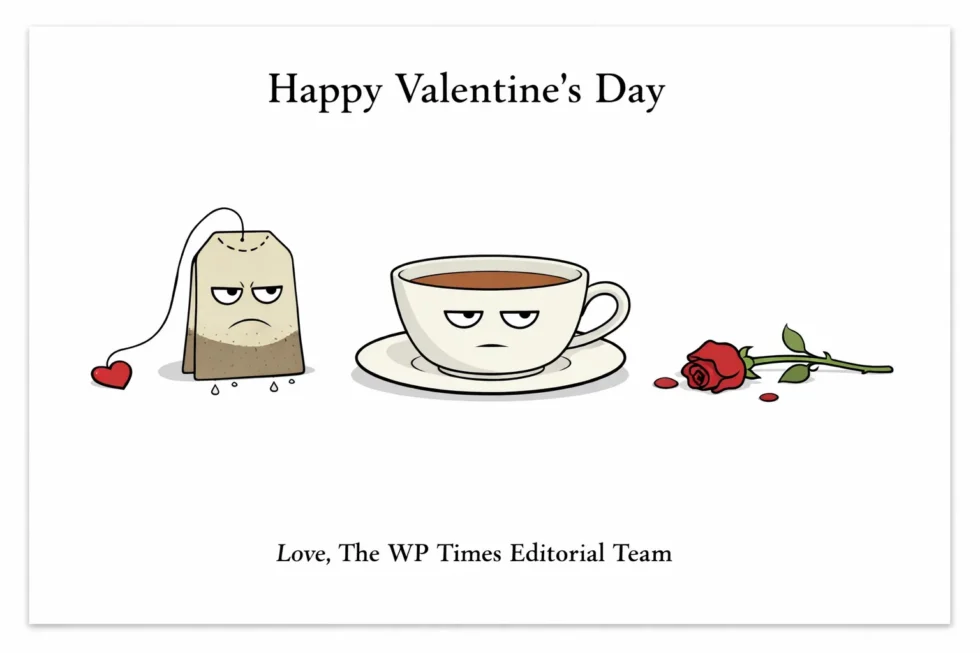
Relationship psychologists consistently note that Valentine’s Day conflicts are rarely about love itself — they are about unspoken expectations. Arguments often start when one partner assumes the other “should know” what is wanted. The healthiest approach on 14 February is explicit communication, not testing or silent comparison.

Practical advice to avoid conflict today:
- Say what you expect — calmly and early
- Avoid comparing your day to social media images
- Focus on appreciation, not evaluation
- Keep criticism out of Valentine messages entirely
- If something feels missing, discuss it after the day
Valentine’s Day works best when it is treated as a moment of alignment, not assessment. On 14 February, words set emotional direction. Thoughtful Valentine messages can stabilise relationships, reduce misunderstandings and reinforce connection. In 2026, the most effective expression of love is not performance, but precision.
Read about the life of Westminster and Pimlico district, London and the world. 24/7 news with fresh and useful updates on culture, business, technology and city life:Love Horoscope Today 14 February 2026: Zodiac Signs, Romance Forecast, Valentine’s Day Astrology