The Bank of England interest rate decision on 5 November 2026 raised Bank Rate by 0.25 percentage points from 3.75% to 4%, the first increase since August 2023, after inflation climbed to 3.5% in the 12 months to September. The Monetary Policy Committee voted 8 to 1, with Catherine Mann backing a larger rise to 4.25%. The Bank linked the move to higher fuel and energy prices driven by the conflict in the Middle East, with oil rising from about $70 a barrel before the conflict to around $96, and it now expects inflation to reach about 5% by mid-2027. Governor Andrew Bailey said the increase should not be seen as the start of an inevitable long run of rises, but warned that it was unlikely to be the last unless the conflict is resolved. For households, tracker mortgages rise immediately, variable rates may follow, and savers can expect better rates over time, as the Westminster newsroom of The WP Times reports.
The impact of the Bank of England interest rate decision varies sharply by type of borrowing. A tracker mortgage of £250,000 over 25 years costs about £37 more a month after a quarter-point rise, according to Moneyfacts, while broker calculations put the increase at about £13.89 a month for every £100,000 on a repayment loan. Borrowers on fixed rates see no change until their deal ends, although many fixed rates had already risen in anticipation of the decision. Standard variable rates are set by lenders, which may pass on all, part or none of the increase. The average new mortgage rate stood at 5.89% at the time of the decision, according to MoneyWeek. The next inflation figures are due on 18 November and the next rate decision on 17 December 2026, with some economists, including Oxford Economics and Deutsche Bank, expecting a further rise to 4.25% by February 2027.
Contents
Bank of England interest rate decision: what was announced
The Monetary Policy Committee meets eight times a year to set Bank Rate, which influences the interest rates charged by banks and building societies. The November Bank of England interest rate decision was accompanied by a Monetary Policy Report with new forecasts for inflation and growth.
The key points
| Item | Detail |
|---|---|
| Date | Thursday 5 November 2026 |
| New Bank Rate | 4% |
| Previous Bank Rate | 3.75% |
| Vote | 8 for a 0.25 point rise, 1 for a 0.5 point rise |
| Latest CPI inflation | 3.5% in September, up from 3.1% in August |
| Inflation forecast | about 5% by mid-2027 |
| Last increase before this | August 2023, when Bank Rate reached 5.25% |
Why rates went up
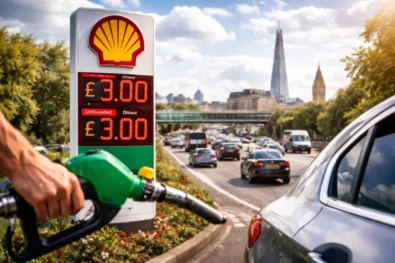
The main driver of the Bank of England interest rate decision was energy. Fuel prices linked to the conflict in the Middle East pushed up inflation, and the Bank expects higher energy costs to feed through to household bills and business costs in the months ahead. Airfares, computer games and live events also added to price pressure in September.
The committee also pointed to food prices, which are expected to rise in 2027, partly because of the El Niño weather pattern. The aim of the rise is to prevent higher prices from becoming embedded in wages and expectations.
What the decision means for mortgages
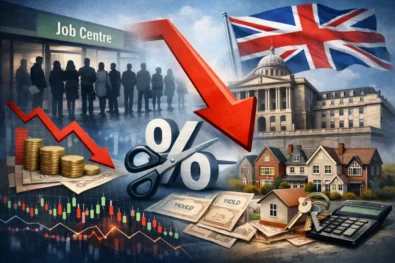
Around the UK, homeowners are affected differently depending on their type of mortgage. The Bank of England interest rate decision has its most immediate effect on trackers.
Tracker, variable and fixed rates
| Mortgage type | What changes | Example |
|---|---|---|
| Tracker | rises automatically, usually from the next payment | about £13.89 more a month per £100,000 over 25 years |
| Standard variable rate | set by the lender, may rise fully, partly or later | depends on the lender |
| Fixed rate | no change until the deal ends | new fixes had largely priced in the rise |
| Interest-only tracker | rises automatically | about £20.83 more a month per £100,000 |
Remortgaging in 2027
Homeowners whose fixed deals end in the next 12 months face higher costs than when they took out their mortgage if rates stay at current levels. Many lenders allow a new rate to be secured up to six months before the existing deal ends, which can protect borrowers against further rises after the next Bank of England interest rate decision.
Comparing the total cost, including arrangement fees, is important, as lower headline rates sometimes come with higher fees. Independent mortgage brokers can search the wider market.
"Today's increase shouldn't be seen as the first in an inevitable long sequence of hikes."
(Andrew Bailey, Governor of the Bank of England, after the Monetary Policy Committee decision on 5 November 2026, as reported by MoneyWeek)

What it means for savers
Higher Bank Rate usually leads to better savings rates, although banks often pass increases on to savers more slowly than to borrowers. Variable easy-access accounts are the first to react to a Bank of England interest rate decision, while fixed-rate bonds reflect market expectations.
How to make the most of higher rates
- Check whether your current account passes on the increase, and compare it with the best easy-access rates.
- Consider a fixed-rate bond if you can leave money untouched and want certainty.
- Use the annual cash ISA allowance to shelter interest from tax.
- Remember the Personal Savings Allowance: £1,000 of interest tax-free for basic-rate taxpayers and £500 for higher-rate taxpayers.
- Keep deposits within the FSCS limit of £120,000 per person per banking licence.
Inflation and real returns
With inflation at 3.5% and forecast to rise, savings accounts paying less than the rate of inflation lose value in real terms. Savers who want to protect their money's purchasing power need rates above inflation, which may become more common if the Bank keeps rates higher for longer.
Those sending money abroad should also note that interest rate decisions affect the value of the pound. Our guide to sending money from the UK to Europe in 2026 compares the costs.
Loans, credit cards and household budgets
Mortgages are not the only borrowing affected by the Bank of England interest rate decision. Variable-rate loans and some business borrowing are linked to Bank Rate, and lenders may reprice new credit offers.
Other borrowing
- Credit card rates are not directly linked to the Bank of England interest rate decision but can rise over time.
- Fixed-rate personal loans already taken out do not change.
- New personal loans and car finance offers may become more expensive.
- Business loans linked to Bank Rate rise in line with the decision.
- Student loan interest in England is set by a separate formula linked to inflation.
Planning for winter bills
The same energy price rises that pushed the Bank to act are likely to affect heating bills this winter. Households on low incomes should check whether they qualify for support such as the Warm Home Discount and Pension Credit.
Details are in our guide to Pension Credit 2026 and help with winter energy bills.
What happens next
The next Bank of England interest rate decision depends on inflation data and on developments in energy markets. Markets and economists are divided on how many further rises will be needed.
Key dates
| Date | Event |
|---|---|
| 18 November 2026 | October inflation figures from the Office for National Statistics |
| 17 December 2026 | next Bank of England rate decision |
| 4 February 2027 | first rate decision of 2027, with a new Monetary Policy Report |
| 18 March 2027 | rate decision |
| 29 April 2027 | rate decision |
Forecasts
Ahead of the next Bank of England interest rate decision, Oxford Economics expects a further rise to 4.25% in February 2027, while Deutsche Bank expects 4.25% in either December or February, according to MoneyWeek. The Bank itself has stressed that further moves depend on the path of energy prices and inflation.
Bank of England interest rate decision: questions and answers
What is the Bank of England base rate now
Bank Rate is 4% following the Bank of England interest rate decision on 5 November 2026.
Why did the Bank of England raise interest rates
The Bank of England interest rate decision followed a rise in inflation to 3.5% in September, driven mainly by fuel and energy prices linked to the conflict in the Middle East, and is forecast to reach about 5% by mid-2027.
How much will my tracker mortgage go up
About £37 a month on a £250,000 repayment tracker over 25 years, according to Moneyfacts.
When is the next rate decision
The next Bank of England interest rate decision is on Thursday 17 December 2026.
Will savings rates go up
After the Bank of England interest rate decision they are expected to rise, although banks often pass increases on to savers with a delay.
Background: from cuts to a rise
Bank Rate peaked at 5.25% in August 2023 after a series of rises aimed at bringing down inflation, which had exceeded 11% in 2022. The Bank then cut rates gradually as inflation eased, reaching 3.75% before the November 2026 Bank of England interest rate decision reversed that trend.
For more on household finances, read our reports on the pensions gap facing under-60s and pension inheritance tax planning.
Sources used: Bank of England, MoneyWeek, Mortgage One Finance, Moneyfacts, Office for National Statistics, Oxford Economics, Deutsche Bank, Financial Services Compensation Scheme