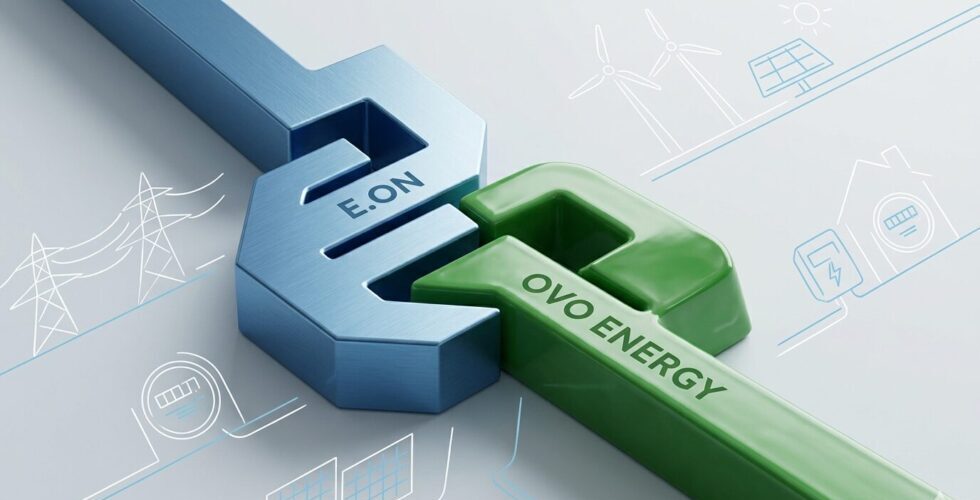
E.ON Ovo Energy merger talks have accelerated as the German energy group E.ON moves to combine with rival supplier Ovo Energy in a deal that could create one of Britain’s largest domestic energy providers, according to industry sources on April 25, 2026. Negotiations between the two companies have intensified in recent weeks with the aim of reaching an agreement, although the structure of the transaction remains unclear and completion is not guaranteed, developments reported The WP Times via Sky News.
The proposed combination would create a supplier with a customer base exceeding 9.5 million accounts, potentially surpassing key competitors in scale. The discussions come at a time of consolidation pressures across the UK energy sector amid regulatory and financial constraints.
The potential merger reflects broader structural shifts in the UK retail energy market following years of volatility, supplier failures and tighter regulatory oversight. Market participants indicate that both companies are exploring strategic alignment to strengthen resilience and improve margins. While talks are described as advanced, several sources caution that unresolved issues could still delay or derail a final agreement. The deal, if completed, would mark one of the most significant consolidations in the sector in recent years.
Key facts at a glance:
- Combined customer base: over 9.5 million
- E.ON customers: approximately 5.7 million
- Ovo Energy customers: approximately 4 million
- Deal status: advanced talks, not finalised
- Strategic aim: scale and financial stability
How would the combined E.ON and Ovo Energy group compare to rivals
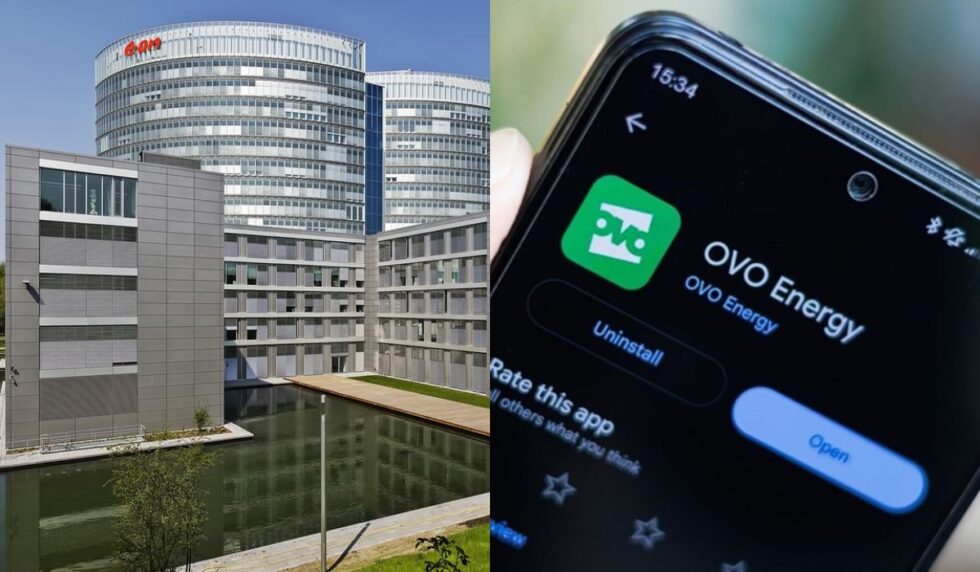
A merged entity between E.ON and Ovo Energy would immediately position itself among the largest energy suppliers in the UK, overtaking several competitors by customer volume. The combined scale would exceed that of British Gas and approach or surpass Octopus Energy, which recently reported more than 8 million UK customers.
This shift would significantly alter competitive dynamics, particularly in pricing, customer acquisition and service delivery.
Industry analysts note that scale remains a decisive factor in navigating regulatory requirements and absorbing market shocks. Larger suppliers are better positioned to manage wholesale price volatility and compliance costs imposed by the regulator Ofgem. However, integration challenges and operational complexity could offset some of these advantages in the short term.
Market positioning comparison:
| Company | Estimated UK customers |
|---|---|
| E.ON + Ovo (combined) | 9.5+ million |
| Octopus Energy | 8+ million |
| British Gas | Slightly below Octopus |
| Others | Smaller fragmented base |
What deal structure and competing bids could influence the outcome
The structure of the E.ON Ovo Energy merger remains uncertain, with several possible configurations under consideration. Sources suggest that Ovo’s customer base could be absorbed into E.ON’s operations, while Ovo founder Stephen Fitzpatrick may retain control of the Kaluza technology platform. However, it is not clear whether such an arrangement will ultimately be agreed. Questions also remain over whether the Ovo brand would continue post-transaction or be phased out.
The deal landscape is further complicated by interest from other parties. EDF Energy and Telecom Plus have both explored potential transactions involving Ovo Energy. This competitive tension may influence valuation and negotiation dynamics as talks progress.
- Final transaction structure
- Future of Ovo Energy brand
- Ownership of Kaluza platform
- Competing bids from EDF Energy and Telecom Plus
- Regulatory approval considerations
Could technology platforms Kraken and Kaluza complicate integration
One of the most significant operational challenges in the proposed merger lies in the companies’ use of competing technology platforms. E.ON relies on Kraken, a software platform spun out of Octopus Energy and valued at over $8 billion, while Ovo’s customers are managed through its in-house Kaluza system. Integrating or choosing between these platforms could prove complex and costly.
Technology infrastructure is central to customer billing, service delivery and energy management, making it a critical component of any merger. Industry sources indicate that maintaining parallel systems would be inefficient, while migration risks could disrupt customer experience.
The outcome of this issue may ultimately shape the feasibility and timeline of the deal.
| Platform | Used by | Ownership status |
|---|---|---|
| Kraken | E.ON | Independent (spun out of Octopus) |
| Kaluza | Ovo Energy | Internal platform |
What financial pressures are driving Ovo Energy toward a deal
Ovo Energy has been under increasing financial pressure, prompting efforts to secure new capital or pursue a sale of its retail business. The company has engaged in ongoing discussions with Ofgem regarding measures to strengthen its financial position and comply with capital adequacy requirements. Although not in breach of regulations, Ovo has acknowledged challenges in fully meeting evolving standards.
The company implemented cost-cutting measures last year, including hundreds of job reductions, as part of a revised business plan aimed at restoring profitability.
This plan reportedly included limiting new customer acquisition until financial stability improves. Investor uncertainty has been heightened by regulatory constraints, which some market participants believe hinder capital inflows.
Financial context:
- Job cuts: hundreds of roles reduced
- Strategy: cost control and profitability focus
- Regulatory engagement: ongoing with Ofgem
- Capital status: compliant but under pressure
- Customer growth: temporarily restricted
Leadership changes and investor dynamics shape Ovo’s future
Recent leadership changes at Ovo Energy reflect the company’s transitional phase as it seeks strategic options. Former chief executive David Buttress stepped down amid efforts to secure investment, with Chris Houghton returning to lead the business alongside founder Stephen Fitzpatrick. Governance was further strengthened by the appointment of Dame Jayne-Anne Gadhia as chair of the retail division.
Investment discussions have involved multiple financial stakeholders. Rothschild & Co has been advising on negotiations with investors including Verdane, although Verdane withdrew due to concerns about regulatory constraints.
Ovo is backed by investors such as Mitsubishi Corporation and Mayfair Equity Partners, alongside Morgan Stanley Investment Management.
“We have taken proactive steps to align with Ofgem’s new capital rules while working constructively to meet requirements,” - Ovo Energy statement, UK, 2025.
Investor landscape:
- Strategic advisor: Rothschild & Co
- Former investor in talks: Verdane (withdrawn)
- Key backers: Mitsubishi, Mayfair Equity Partners
- Institutional investor: Morgan Stanley Investment Management
- Regulatory influence: significant
How has Ovo Energy evolved and what challenges remain
Founded in 2009, Ovo Energy positioned itself as a challenger brand focused on customer service and innovation in a market dominated by legacy suppliers. A major turning point came in 2020 with the acquisition of SSE’s retail business, significantly expanding its scale and market presence. This move transformed Ovo into one of the UK’s leading energy suppliers almost overnight.
However, rapid growth has brought operational and regulatory challenges. The company has faced scrutiny over customer complaints and pricing practices, as well as complex interactions with Ofgem. Recent disclosures highlighted “material uncertainty” regarding its future, underscoring the urgency of securing financial stability or strategic partnerships.
Read about the life of Westminster and Pimlico district, London and the world. 24/7 news with fresh and useful updates on culture, business, technology and city life: How were the biggest UK benefits fraud schemes uncovered as £6.6bn losses expose system failures