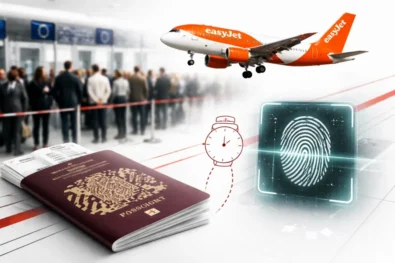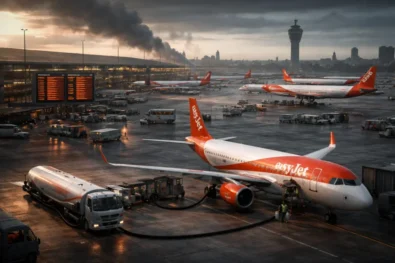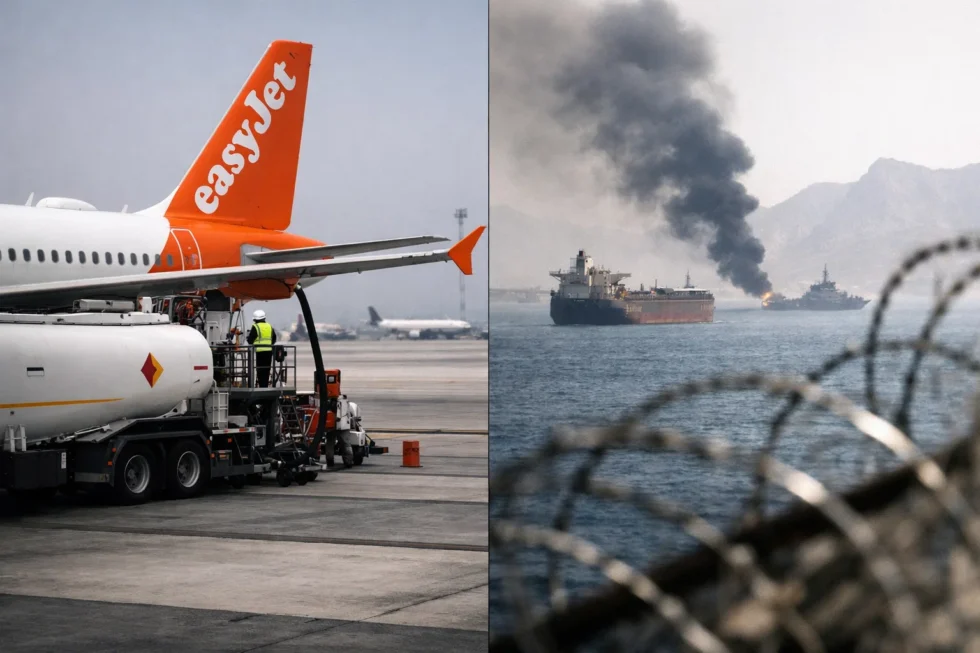
easyJet and other European airlines are entering a critical risk window after airports warned on 10 April 2026 that jet fuel shortages could begin disrupting flights within three weeks if oil transit through the Strait of Hormuz is not restored, raising the prospect of cancellations across the UK and EU ahead of the summer holiday season. The warning comes from Airports Council International (ACI) Europe and follows escalating disruption to fuel deliveries from the Gulf, which supplies around 50% of Europe’s aviation fuel, pushing prices to record levels and tightening supply across major hubs, reported by The WP Times, citing Financial Times, BBC and European aviation sources.
The alert was formalised in a letter dated 9 April 2026 from ACI Europe Director General Olivier Jankovec to European Commission officials responsible for energy and tourism, stating that without a “significant and stable” reopening of the Strait of Hormuz within roughly three weeks, a systemic jet fuel shortage across the EU is likely, with direct consequences for airlines including easyJet, airport operations and millions of passengers planning summer travel.
Why easyJet and EU airlines face a three-week fuel risk window
The risk is driven by logistics rather than immediate depletion. Aviation fuel operates on short delivery cycles, meaning supply disruptions in the Gulf translate into European shortages within weeks. The Strait of Hormuz remains a critical chokepoint for global energy flows, and ongoing tensions linked to Iran have disrupted shipments, reducing the volume of refined jet fuel reaching Europe.
For airlines such as easyJet, the issue is not only availability but cost. Benchmark European jet fuel prices have surged to approximately $1,838 per tonne, compared with about $831 before the crisis, fundamentally altering operating economics. Low-cost carriers are particularly exposed due to their reliance on high utilisation and narrow margins.
“A supply crunch would severely disrupt airport operations and air connectivity, with significant economic impacts for communities across Europe,”
— Olivier Jankovec, Director General, ACI Europe, in a letter to the European Commission (9 April 2026)
UK government officials confirmed on 10 April 2026 that airlines are still operating normally and have not reported immediate disruption. However, internal airline planning has intensified, with carriers securing alternative supply routes, increasing reserves where possible and reviewing route profitability under sustained fuel pressure.
Where cancellations would start and what passengers should expect
The impact, if shortages materialise, will not be uniform. ACI Europe warns that smaller regional airports—especially those handling fewer than 1 million passengers annually—are most vulnerable due to limited storage capacity and fewer supply alternatives. This creates a clear pattern of risk:
- Secondary and regional routes likely cut first
- Major hubs (London, Paris, Frankfurt) prioritised
- Short-haul leisure routes most exposed
- Ticket prices rising before cancellations begin
Airlines including easyJet would likely prioritise core profitable routes while reducing frequency or suspending marginal connections. This aligns with early global signals, where some carriers have already adjusted capacity and increased passenger charges in response to fuel costs. The broader economic exposure is significant. European aviation contributes approximately €851 billion annually to GDP and supports around 14 million jobs, meaning any sustained disruption would extend beyond airlines into tourism, hospitality and regional economies.
| Indicator | April 2026 | Before crisis |
|---|---|---|
| Jet fuel price | ~$1,838/tonne | ~$831/tonne |
| EU fuel dependency (Gulf) | ~50% | Stable supply |
| Shortage risk timeline | ~3 weeks | None |
| UK airline operations | Normal (as of 10 April) | Normal |
| Summer disruption risk | Elevated | Low |
ACI Europe has urged coordinated EU intervention, including joint fuel purchasing and temporary easing of import restrictions, while also calling for accelerated investment in sustainable aviation fuel (SAF). However, SAF cannot offset short-term shortages. The situation now depends entirely on developments in the Strait of Hormuz. If flows resume within the next two to three weeks, disruption may be avoided. If not, airlines including easyJet are likely to move from contingency planning to active cancellations, just as peak summer demand begins.
What led to the jet fuel risk now
The current jet fuel risk did not emerge suddenly. Tensions affecting the Strait of Hormuz intensified in early 2026, disrupting one of the world’s most critical energy corridors through which roughly a fifth of global oil supply passes. As a result, deliveries of refined aviation fuel from the Gulf to Europe began to slow, exposing the region’s structural dependence on external supply chains.
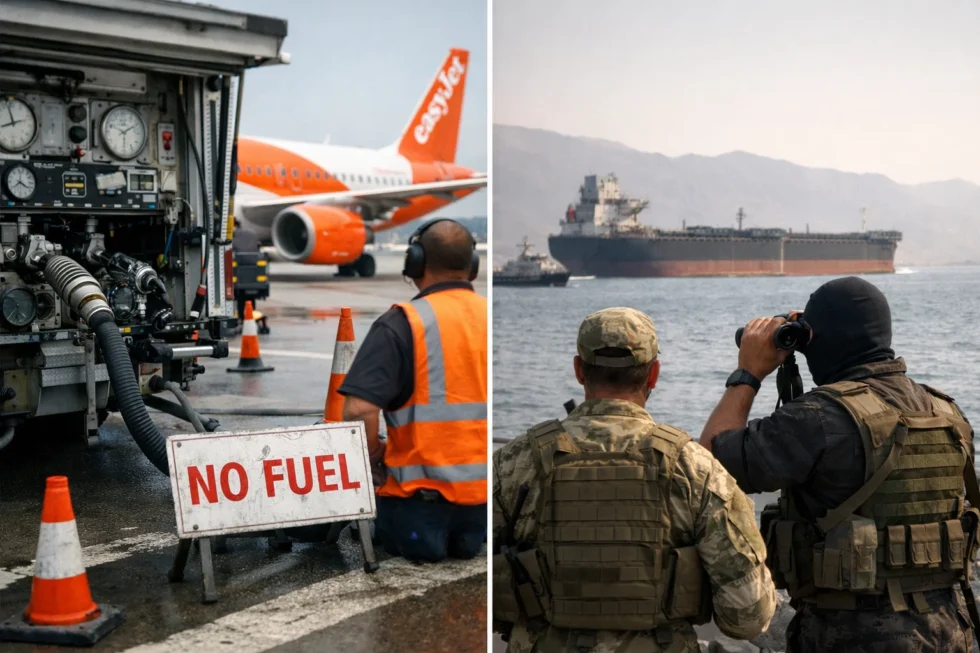
This is not the first time aviation has faced fuel pressure, but the current situation is more acute. During previous oil shocks, including the 2022 energy crisis, supply remained available despite price volatility. In contrast, the April 2026 scenario combines both record pricing and potential physical shortages, creating a dual risk for airlines such as easyJet. The last comparable disruption affecting European aviation at scale was during the COVID-19 crisis, but that was demand-driven. The current risk is supply-driven — a more complex scenario, as airlines cannot compensate by simply adjusting schedules without direct operational consequences.
Read about the life of Westminster and Pimlico district, London and the world. 24/7 news with fresh and useful updates on culture, business, technology and city life: Eamonn Holmes stroke: GB News presenter in hospital as health update confirms recovery progress