More than 170,000 taxpayers across the UK failed to claim refunds worth an average of £800 as administrative gaps and outdated payment methods continue to disrupt repayments, with hmrc tax rebate missed cases exposing systemic inefficiencies in how overpaid tax is returned to individuals. Figures released in April 2026 show that while millions are eligible for repayments each year, a significant share never receive the money due to uncashed cheques, missed correspondence or delays in response windows, highlighting a structural issue within HMRC’s processing system. The WP Times reports that the situation reflects both taxpayer behaviour and operational reliance on legacy payment methods at a time when digital alternatives are widely available.
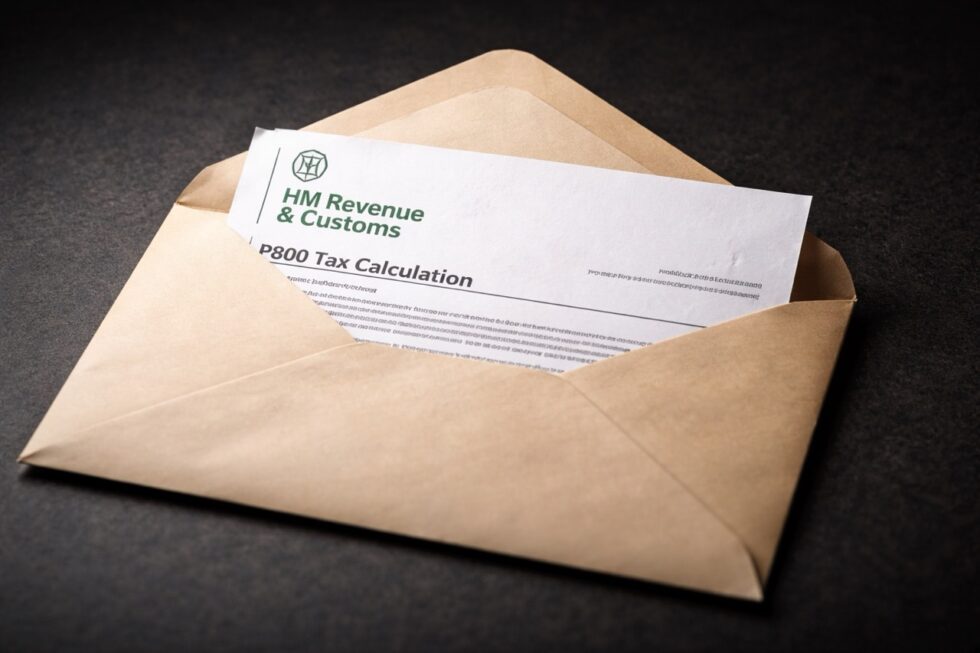
The scale of the issue is measurable and persistent. Data obtained from official disclosures indicates that in the last full reporting period HMRC issued 1.7 million refund cheques, yet 178,180 of these were never cashed, leaving a total of £144 million unclaimed. The underlying mechanism is straightforward but fragile: taxpayers are notified, typically via a P800 letter after the tax year ends in April, but failure to act promptly or issues with delivery, awareness or banking access can result in funds effectively sitting unused despite being owed.
How the HMRC rebate system is working — and where it fails
The repayment process is built around annual reconciliation under PAYE, where HMRC identifies overpayments and initiates refunds. In theory, the system is automated and routine; in practice, it depends heavily on individual response and communication reliability. Key operational steps:
- HMRC calculates overpaid tax after the tax year ends in April
- A P800 notification is issued, usually around June
- Taxpayers are instructed to claim via bank transfer (BACS)
- If no response is received within a set period, a cheque may be issued
Until 2024, individuals had approximately 21 days to respond before a cheque was sent. This fallback mechanism is now at the centre of the problem, as physical cheques introduce friction into what is otherwise a digital process. A tax specialist directly highlighted the weakness of this approach:
“It is certainly a bit problematic that HMRC continues to use cheques to settle tax refunds in so many cases” (Robert Salter, Blick Rothenberg, UK, April 2026). The reliance on postal delivery, outdated address records and manual cashing processes increases the likelihood that payments remain unclaimed.
Scale of missed payments — verified figures
| Metric | Value |
|---|---|
| Total cheques issued | 1.7 million |
| Uncashed cheques | 178,180 |
| Total unclaimed value | £144 million |
| Average missed refund | £800 |
| Previous year cheques issued | 4.1 million |
The decline in cheque issuance reflects HMRC’s shift toward digital payments, but the backlog of unclaimed funds shows that transition remains incomplete.
Why taxpayers overpay — and who is affected
Overpayments are not rare anomalies; they occur frequently due to standard employment and income changes. The most common triggers are well documented and affect a broad cross-section of taxpayers. Typical causes include:
- Incorrect tax code assigned by HMRC or employer
- Changing jobs within the same tax period
- Receiving pension income alongside employment
- Transitioning onto benefits such as jobseeker’s allowance
- Temporary dual income streams in one month
These situations often arise automatically within the PAYE system, meaning individuals may not even realise they have overpaid until HMRC issues a notification. A further structural issue is behavioural rather than technical.
“Until people do consistently open their HMRC correspondence, there is always going to be a problem and delays with the tax refund process” (Robert Salter, Blick Rothenberg, UK, April 2026). This highlights a key risk factor: engagement. Even when systems function correctly, lack of response prevents completion.
Cheque expiry, replacement and long-term recovery risks
One of the most misunderstood aspects of the system is what happens after a cheque is not cashed. Important rules:
- HMRC cheques expire after six months
- Expired cheques can be reissued upon request
- There is no strict deadline to claim the money
- However, after around nine years, verification becomes significantly harder
This creates a paradox: while funds are technically still available, practical recovery becomes more difficult over time as records age and verification requirements increase. From an operational standpoint, this means that unclaimed rebates accumulate not because they disappear, but because they become administratively complex to retrieve.
Shift toward digital payments — but transition remains incomplete
HMRC has been actively reducing reliance on cheques, with policy changes introduced from 2024 aiming to prioritise direct bank transfers. An official spokesperson confirmed the direction of travel:
“The vast majority of PAYE repayments are issued via bank transfer, which is now the default option, and the quickest and most secure way for customers to receive their money” (HMRC spokesperson, UK, April 2026).
However, the system still allows cheque requests and defaults to them in some cases, particularly where digital details are missing or users do not engage online. This hybrid model creates inconsistency:
- Digital users receive faster payments
- Non-digital users face delays and higher risk of loss
- System efficiency depends on user behaviour rather than automation
What taxpayers need to do now — practical actions
Given the scale of missed payments, the immediate priority is awareness and action. Critical steps:
- Check for P800 letters after April each year
- Log into HMRC Government Gateway to review status
- Ensure bank details are updated for direct payment
- Request reissue of any expired cheque
- Monitor tax codes regularly to prevent overpayment
The system does not automatically correct missed payments without user interaction, meaning inactivity directly leads to financial loss. The current HMRC rebate framework is not failing due to lack of funds or eligibility, but due to a combination of legacy processes and user disengagement. While the shift to digital payments is reducing future risk, the backlog of unclaimed rebates shows that structural inefficiencies remain active within the system. At its core, the issue is simple but consequential: money is being allocated but not received. Without consistent engagement from taxpayers and full transition to digital systems, the number of missed refunds is likely to persist at scale.
Read about the life of Westminster and Pimlico district, London and the world. 24/7 news with fresh and useful updates on culture, business, technology and city life: HMRC still sending cheques: 178,000 taxpayers miss £800 rebates as £144m goes unclaimed in 2026