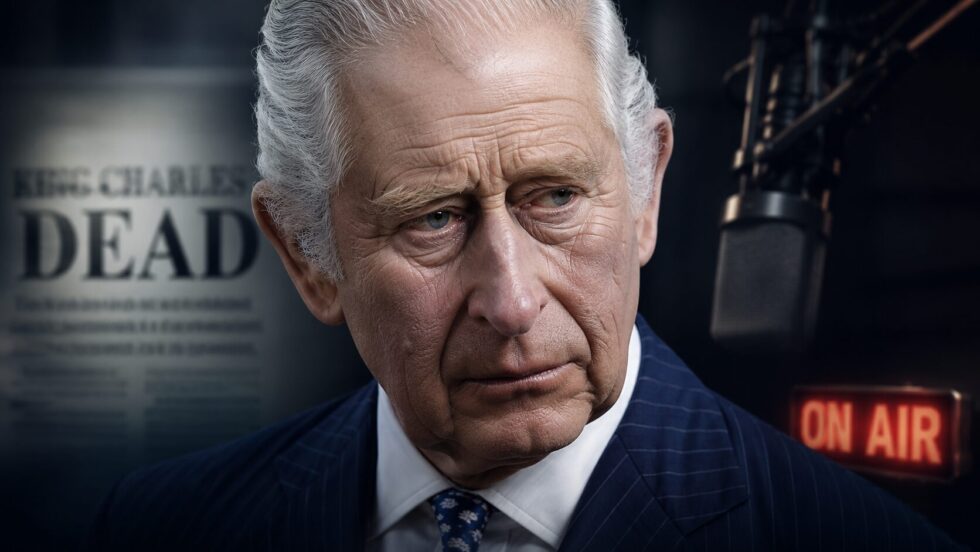
King Charles death error became one of the most discussed media incidents in Britain this week after the historic British broadcaster Radio Caroline accidentally announced that the monarch had died during a live transmission. The false announcement interrupted normal programming across parts of southern England and the Midlands, triggered the formal “Death of a Monarch” emergency protocol used by British broadcasters, and led to several minutes of silence on air before the station returned with an apology. The incident happened while King Charles III and Queen Camilla were actively carrying out royal engagements in Belfast during an official three-day visit to Northern Ireland, creating immediate confusion among listeners who believed the news was genuine. British media organisations maintain detailed contingency systems for the death of a reigning monarch, and in this case a technical malfunction appears to have activated one of the country’s most sensitive broadcasting procedures by mistake. Report The WP Times via Page Six, the false broadcast rapidly spread online as shocked listeners shared reactions, while Buckingham Palace continued official duties without interruption.
The erroneous transmission began abruptly on Tuesday afternoon when regular music programming stopped and a pre-recorded emergency announcement informed audiences that broadcasting had been suspended following the alleged death of King Charles III. Listeners then heard repeated references to “suitable music” being played as a mark of respect before the British national anthem, God Save the King, was aired. Afterward, Radio Caroline reportedly went silent for around 15 minutes — a move that follows long-established British radio procedures in moments of national mourning. The combination of official wording, silence and patriotic music convinced many listeners that the announcement was real, especially given continuing public concern about the King’s health following his cancer diagnosis disclosed in 2024. Station officials later confirmed the report was entirely false and blamed a computer malfunction inside the Essex studio system.
How Radio Caroline accidentally triggered the “Death of a Monarch” protocol
British radio and television broadcasters maintain highly detailed contingency plans for the death of a monarch, prime minister or senior royal figure. These systems are not improvised; they are prepared years in advance and include pre-recorded scripts, music playlists, transmission procedures and internal newsroom instructions designed to ensure calm and consistent coverage during a constitutional crisis. In Britain, the death of a reigning monarch would immediately trigger coordinated national media coverage involving broadcasters, government communications teams and royal press offices. Radio Caroline’s accidental activation demonstrated how sensitive and automated some parts of those systems have become. According to station manager Peter Moore, the protocol was mistakenly launched after what he described as a “computer error” at the station’s main studio.
The station later acknowledged that the silence which followed the announcement was itself part of the official procedure and ironically became the first sign that something had gone wrong technically. Moore explained publicly that once programming stopped completely, staff realised the emergency system had activated incorrectly and rushed to restore normal broadcasting.
The archived section of the transmission later disappeared from the station’s website, further highlighting the seriousness with which the broadcaster treated the mistake. Several British outlets reported that the protocol announcement repeated multiple times before employees intervened. That repetition added to the realism of the false report because the wording closely mirrored genuine national emergency broadcasting language used historically during royal mourning periods.
What listeners actually heard during the false announcement
According to reports from British and international media, the transmission included multiple formal statements declaring that King Charles III had died. One announcement reportedly stated:
“We have suspended our normal programmes until further notice as a mark of respect following the passing of His Majesty King Charles III.”
The wording sounded authentic because British broadcasters rehearse these announcements in advance and store them in automated systems. Following the message, listeners heard the national anthem before regular broadcasting disappeared temporarily. In many parts of England, audiences initially believed the announcement was genuine because no correction immediately followed. Social media posts appeared within minutes as listeners attempted to confirm whether Buckingham Palace had issued a formal statement. Some described pulling over their cars or rushing indoors to tell relatives what they thought had happened. The realism of the broadcast turned a technical error into a nationwide moment of confusion.
Why the false King Charles announcement spread so quickly online
The speed at which the mistaken report spread reflected both the emotional sensitivity surrounding the British monarchy and ongoing public attention on King Charles’s health. Since Buckingham Palace confirmed in February 2024 that the King was receiving cancer treatment following a procedure related to an enlarged prostate, speculation about his condition has circulated repeatedly online. Although palace officials have consistently stated that the monarch continues carrying out official and private duties, misinformation and false rumours have periodically appeared across social media platforms and fringe websites.
This latest incident was different because it originated from an actual British broadcaster rather than anonymous online accounts. Radio Caroline is not an unknown internet station; it is one of Britain’s most recognisable historic radio brands, originally founded in 1964 as a famous offshore pirate station.
For many listeners, hearing such an announcement from an established broadcaster gave the claim immediate credibility. Some users online admitted they believed the news instantly because the emergency format sounded authentic and emotionally serious. Others said they only realised something was wrong when official British news organisations failed to issue confirmation.
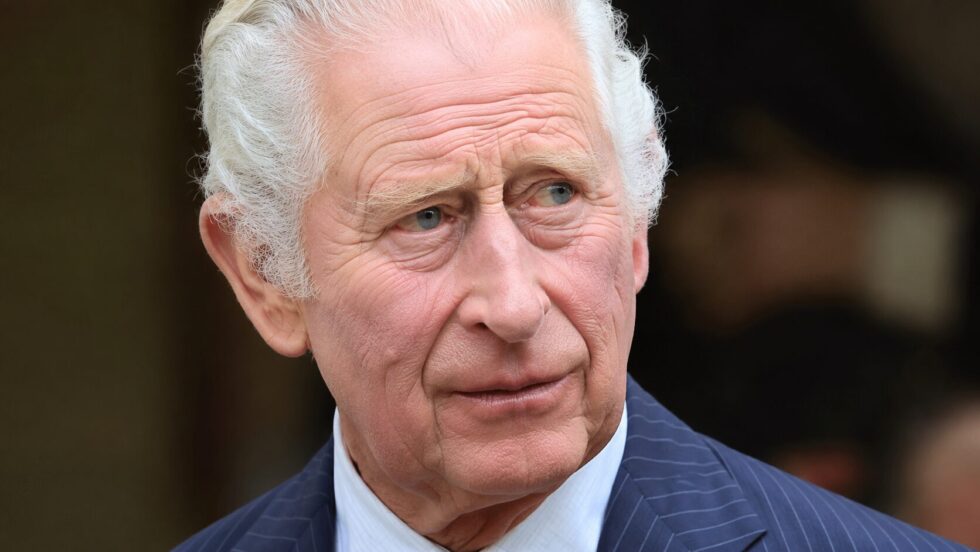
The timing also amplified confusion. At the very moment the station falsely declared the monarch dead, King Charles and Queen Camilla were publicly attending events in Belfast’s Titanic Quarter. The royal couple met performers, watched folk dancers and participated in public appearances during the Northern Ireland visit. Images from those engagements later circulated widely online beside screenshots of the false death announcement, intensifying discussion about how a technical failure at one radio station briefly collided with real-time royal coverage.
Peter Moore’s apology and the station’s response
Radio Caroline manager Peter Moore issued a public apology after the incident became international news. In a statement published on social media, he explained that the emergency system had activated accidentally due to a studio computer malfunction. He also apologised directly to King Charles and listeners affected by the confusion.
(Peter Moore, Radio Caroline manager, Facebook statement, Essex):
“We apologise to HM the King and to our listeners for any distress caused.”
Moore stressed that British stations maintain such protocols while hoping never to use them. His statement also noted that Radio Caroline had previously broadcast royal Christmas messages and hoped to continue doing so in the future. The apology was widely reported across British media outlets including Sky News, ITV and The Guardian. While Buckingham Palace did not publicly respond to the error, the absence of any official royal reaction suggested officials considered the matter closed once the station clarified the mistake.
King Charles continues public duties despite ongoing health scrutiny
The false announcement once again drew attention to the broader public focus on King Charles’s health. Since revealing his cancer diagnosis in early 2024, Buckingham Palace has provided only limited medical detail while insisting the monarch continues treatment and remains engaged in official duties. Charles has gradually resumed public appearances over the past year, including state visits, meetings with foreign leaders and ceremonial engagements throughout the United Kingdom.
During the same week as the broadcasting error, the King and Queen Camilla were conducting official engagements in Northern Ireland under heightened security conditions linked to dissident republican activity. The royal visit included cultural events, music performances and meetings with local organisations in Belfast. British newspapers noted the contrast between the calm continuation of the royal programme and the sudden panic caused by the erroneous radio bulletin. Images of the monarch greeting crowds in Belfast circulated only hours after the false report spread online.
The incident also revived discussion about how modern media handles royal succession and constitutional continuity. Britain’s monarchy still occupies a uniquely symbolic role within the national media landscape, meaning even accidental misinformation can create immediate public anxiety. Unlike celebrity rumours, false reports involving a reigning monarch carry constitutional implications because the Crown formally remains part of the British political system. That explains why broadcasters maintain special procedures and why listeners reacted so strongly when those procedures appeared to activate unexpectedly.
Radio Caroline’s historic legacy made the mistake even more shocking
Part of the public reaction stemmed from Radio Caroline’s unusual place in British broadcasting history. Founded in 1964, the station became famous as one of Britain’s pioneering pirate radio broadcasters, transmitting music from ships positioned offshore beyond UK broadcasting restrictions. Over decades, Radio Caroline developed a loyal audience and a cultural reputation associated with alternative music broadcasting and British radio history.
Although its audience today is relatively modest compared with national BBC stations, the brand still carries historical credibility among British listeners. That legacy meant the false royal announcement did not sound like a prank or internet hoax. Instead, many listeners interpreted it as a legitimate emergency bulletin from an established broadcaster. British media analysts noted that trust in familiar radio formats remains particularly strong among older audiences who grew up with national radio as a primary news source.
The technical failure has also raised questions about how emergency broadcasting systems are secured and monitored. Automated studio software is now common across modern radio operations, especially among smaller stations using centralised playout systems and pre-programmed emergency sequences.
Experts say such systems improve speed and consistency during real emergencies but can also create risks if safeguards fail or commands are accidentally triggered. In this case, the combination of automation, realistic scripting and silence produced one of the most extraordinary accidental broadcasts in recent British radio history.
False royal death rumours continue to challenge modern media
The Radio Caroline incident reflects a broader modern problem confronting royal reporting and digital journalism: the rapid spread of unverified information during moments of uncertainty. False rumours about senior royals have appeared repeatedly online over recent years, often fuelled by fragmented social media posts, manipulated screenshots or anonymous accounts presenting fabricated claims as breaking news. Buckingham Palace has occasionally been forced to respond directly, particularly when false international reports gained traction.
What distinguished this case was the combination of official broadcasting language and emotional symbolism. Hearing God Save the King immediately after a death announcement carried enormous psychological impact for British audiences familiar with royal protocol. Several listeners later described experiencing genuine shock before discovering the report was false. Others said the silence following the anthem made the broadcast feel even more credible because it resembled the sombre tone associated with national mourning coverage.
British media organisations now face renewed discussion over balancing automation with editorial oversight. While no evidence suggests malicious intent or hacking, the mistake demonstrated how easily a technical malfunction can trigger nationwide confusion when trusted institutions are involved. For broadcasters, the episode will likely become a case study in newsroom contingency management and emergency systems control.
At the centre of the story, however, remains a striking irony: while one radio station accidentally announced the death of Britain’s monarch, King Charles himself was publicly greeting crowds, attending events and continuing official duties in Belfast — entirely unaware that for several minutes, parts of Britain believed the Crown had suddenly changed hands.
Read about the life of Westminster and Pimlico district, London and the world. 24/7 news with fresh and useful updates on culture, business, technology and city life: UK Visa Changes 2026: What Foreign Workers Need To Know About New Salary Rules, English Tests And Settlement Delays