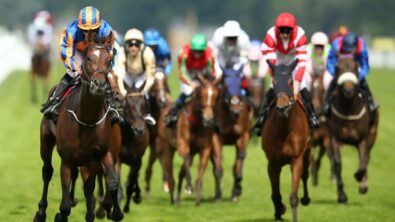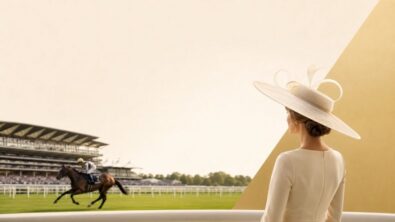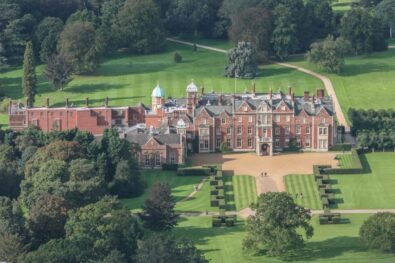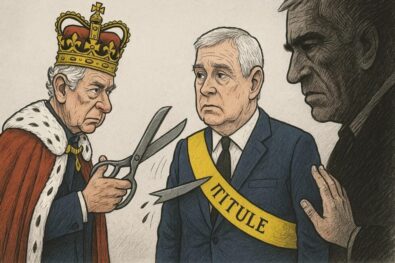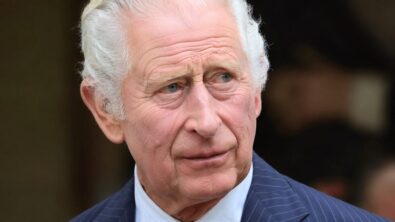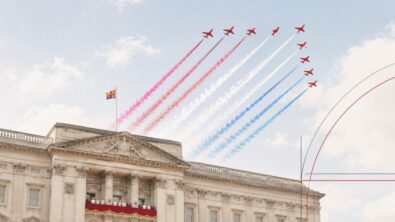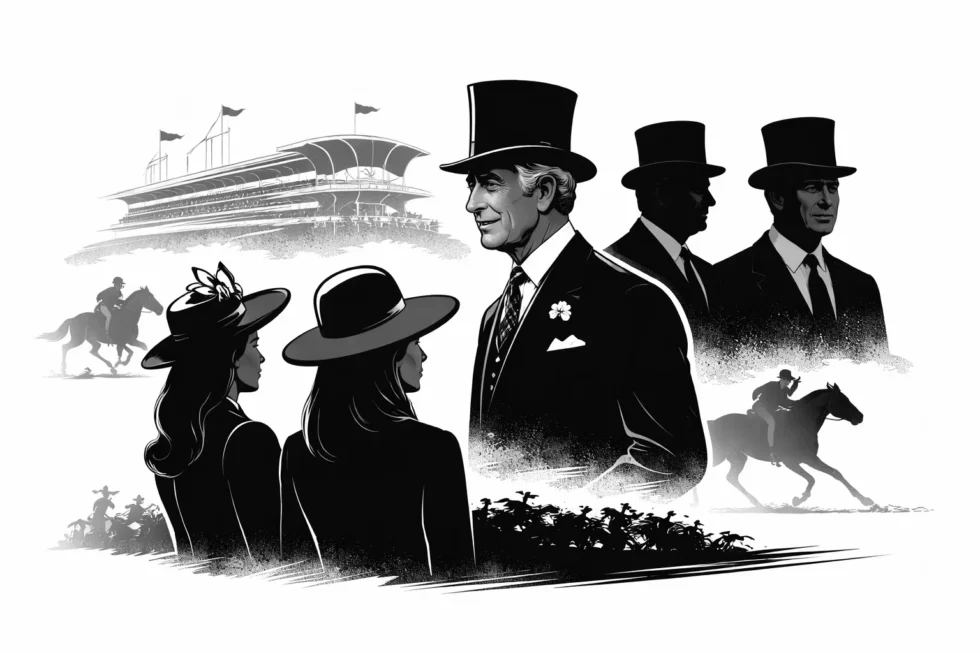
King Charles has made a dramatic Royal Ascot U-turn, reversing what insiders described as a de facto exclusion of Princess Beatrice and Princess Eugenie from one of the monarchy’s most visible public events, amid ongoing reputational fallout linked to Prince Andrew and wider tensions within the House of Windsor. The reversal, confirmed by palace sources ahead of the June meeting at Royal Ascot, signals a recalibration of royal optics after weeks of speculation that the York sisters had been sidelined from the Royal Box following internal disagreements and concerns over public perception.
The decision comes after mounting reports that Prince William had privately resisted appearing alongside his cousins at high-profile engagements, fuelling claims of a widening rift at the top of the monarchy. Palace insiders now say the King and Queen personally intervened to invite Beatrice and Eugenie, restoring their ceremonial roles including carriage procession, Royal Enclosure access and proximity to the senior working royals — a move widely interpreted as an attempt to stabilise the monarchy’s image before the summer season. Reported by The WP Times, citing UK media and royal sources.
The reversal lands at a delicate moment for British Royal Family, where internal cohesion is increasingly scrutinised not just by tabloids but by institutional observers tracking long-term legitimacy. Royal Ascot is not simply a social event; it functions as a carefully choreographed display of hierarchy, unity and continuity. Any perceived exclusion — particularly of blood royals — carries symbolic weight, especially in a post-Andrew landscape where reputational management has become central to palace strategy. Sources close to the situation suggest the initial “ban” was never formalised in writing but emerged through guest list signalling and informal briefings, a common palace tactic used to shape expectations without public confrontation. However, once the narrative gained traction — amplified by the sisters’ absence from Easter celebrations — the cost of exclusion appeared to outweigh the benefits. The King’s intervention is therefore being read less as a concession and more as a strategic correction.
| Key element | Detail | Strategic impact |
|---|---|---|
| Event | Royal Ascot 2026 | Global media exposure, high symbolic value |
| Initial stance | Reported exclusion of York sisters | Signals distancing from Andrew-linked reputational risk |
| Reversal | Personal invitation by King Charles | Reasserts family unity, mitigates PR damage |
| Internal tension | William’s reported stance | Suggests generational divide in royal strategy |
| Public optics | Carriage + Royal Box access | Restores full ceremonial visibility |
The reputational stakes are amplified by the lingering shadow of Prince Andrew’s controversies, which continue to influence how proximity within the royal family is interpreted by the public and media. While Beatrice and Eugenie have not been implicated in any wrongdoing, their association has placed them in a grey zone — neither fully central nor entirely peripheral. The Ascot invitation effectively repositions them, at least temporarily, within the visible structure of the monarchy.
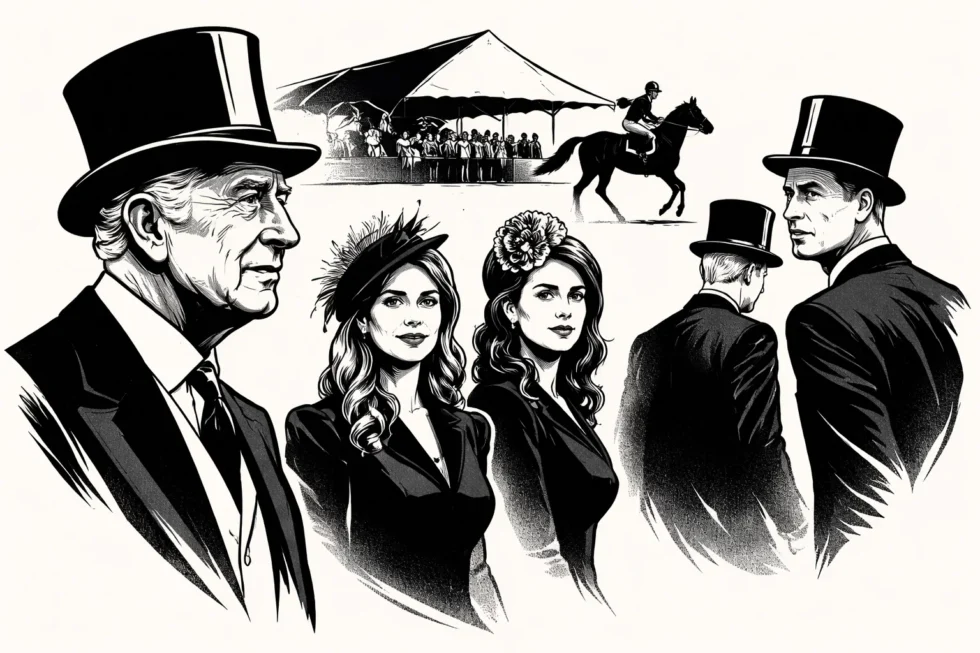
Royal commentator Shauna Kay, speaking on The Vintage Read Show, framed the move as emblematic of a broader leadership pattern. “It’s very much a passion with King Charles III because he does these quite decisive moves and then he always tries to stuff the toothpaste back in the tube,” she said, referring to the oscillation between firm decisions and subsequent reversals.
Kay added that such “backflips” risk undermining institutional clarity. “It makes people very unstable, unsure — it makes the King look really dithery,” she said, arguing that the attempt to project authority through reversals may have the opposite effect in a media environment that rewards consistency and narrative control.
The timing is particularly significant. Easter — traditionally a moment for projecting unity — passed without the York sisters’ visible inclusion, a missed opportunity that commentators described as “PR gold” left untapped. By contrast, Royal Ascot offers a more controlled environment, where visuals can be curated and messaging tightly managed. The carriage procession, in particular, serves as a visual hierarchy, making inclusion or exclusion immediately legible to audiences.
| Voice | Statement | Context |
|---|---|---|
| Shauna Kay | “Backflips are not good… it makes the King look really dithery” | The Vintage Read Show |
| Palace source | “The King and Queen personally invited them” | UK media briefings |
| Royal analysts | “Feeds narrative of tension with William” | Ongoing succession dynamics |
Beyond optics, the episode feeds into a deeper structural question facing the monarchy: how to balance a “slimmed-down” working royal model — reportedly favoured by Prince William — with the realities of family dynamics and public expectations. Excluding non-working royals may strengthen institutional focus, but risks creating visible fractures that undermine the monarchy’s core narrative of unity.
There is also a generational dimension. William’s approach is often characterised as more modern, disciplined and reputation-sensitive, while Charles is seen as more relational and inclined toward reconciliation. The Ascot decision, in this reading, reflects not just a tactical PR move but a philosophical divergence about how the monarchy should operate in the 21st century.
For now, the immediate outcome is clear: Beatrice and Eugenie are back in the Royal Ascot frame, and the monarchy avoids a potentially damaging visual narrative of exclusion. But the longer-term implications — particularly regarding internal alignment between King and heir — remain unresolved. In an era where every royal appearance is dissected in real time across global media, consistency is currency. The Ascot U-turn may have stabilised the moment, but it also reinforces a perception that the monarchy is still calibrating its strategy in the wake of successive crises.
Read about the life of Westminster and Pimlico district, London and the world. 24/7 news with fresh and useful updates on culture, business, technology and city life: What time is Tyson Fury vs Makhmudov on 11 April in the UK, ticket prices at Tottenham Stadium and where to watch live