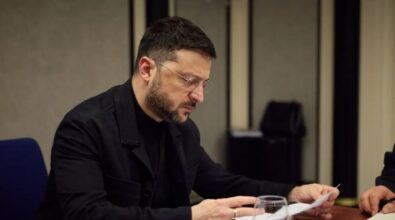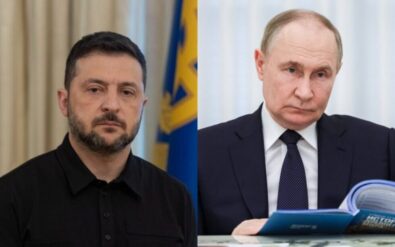
In Ukraine on 10 April 2026, a temporary Orthodox Easter ceasefire was announced after Vladimir Putin ordered Russian forces to halt combat operations from 16:00 local time on Saturday, 11 April, until the end of Sunday, 12 April, while Volodymyr Zelenskyy said Kyiv was ready to respond with “symmetrical steps” following earlier proposals for a holiday truce. The Kremlin framed the pause as a humanitarian measure linked to Orthodox Easter, but it came after repeated Ukrainian calls for a ceasefire relayed through United States intermediaries, placing the timing and authorship of the move under immediate scrutiny. The WP Times reports this, citing Reuters, BBC and The Guardian.
Russia’s official statement said its forces had been instructed to “halt combat operations on all fronts during this period” while remaining prepared to respond to “possible provocations” and “aggressive actions” (Kremlin statement, Moscow, 9 April 2026, via Reuters). It added that Russia “proceeds from the assumption that the Ukrainian side will follow the example of the Russian Federation” (Kremlin statement, Moscow, 9 April 2026). Zelenskyy, who had earlier said Ukraine proposed an Easter ceasefire and passed the initiative to Moscow through US channels, said Kyiv remained ready for a pause, adding: “People need an Easter free from threats and real movement toward peace” (Zelenskyy, statement on X, Kyiv, 9 April 2026, cited by Reuters and BBC).
Why is the Orthodox Easter ceasefire being described as the first official pause after Zelenskyy’s push
The importance of this ceasefire lies not only in its duration but in the sequence that led to it. Reuters reported that Putin announced the truce publicly on 9 April, declaring a two-day Easter pause and ordering Russian troops to stop military activity during that period. But before that, Zelenskyy had already reiterated an Easter ceasefire proposal and said it had been conveyed via the United States, linking the idea to a broader effort to reduce attacks and open space for diplomacy. That sequence matters because both sides are trying to shape the narrative. Moscow has presented the truce as its own humanitarian initiative linked to the Orthodox holiday. Kyiv, by contrast, has stressed that it had repeatedly called for an Easter pause before the Kremlin announcement, and that Russia had ignored or rejected such proposals until now. The result is a ceasefire that is formally announced by Russia but politically tied to prior Ukrainian pressure.
The broader diplomatic background also explains why this moment has drawn attention. Reuters reported earlier this week that Russia said it hoped the United States would resume Ukraine talks after the Iran ceasefire, while the Guardian said broader trilateral talks had stalled as international attention shifted to the Middle East. In that context, an Easter truce offers both capitals a limited, time-bound step that does not require a full settlement but still carries symbolic diplomatic value.
What exactly has Russia and Ukraine said about the Orthodox Easter ceasefire
The Russian side has used precise military language. According to Reuters, the Kremlin said the ceasefire would run from 4:00 pm on 11 April until the end of 12 April 2026, with forces told to stop combat operations across the front while remaining prepared for any “provocations”. That wording is significant because it builds in a justification for a rapid return to fighting if either side claims the other breached the pause.
Ukraine’s public language has been more conditional and more political. Reuters reported that Zelenskyy said Ukraine stood by its ceasefire proposal to Russia and that the offer had been sent through the United States. In his Easter appeal, he framed the issue less as a military gesture and more as a test of whether Russia was willing to move towards a real reduction in violence. His formulation that Ukraine was ready for “symmetrical steps” left space for compliance without portraying Kyiv as accepting a Russian political version of events. The Kremlin has also limited expectations. Reuters and other reports noted that Moscow described the ceasefire as temporary and humanitarian in nature. That means there is no indication from the Russian side that the pause will automatically extend beyond Easter or evolve into a wider agreement. The structure of the announcement points to a short religious truce rather than a negotiated political breakthrough.
What is known about whether the Orthodox Easter ceasefire can hold
The central fact is that previous Easter or limited ceasefire arrangements have struggled to last. Reuters’ report on the new truce noted that Ukrainian officials said Russian drone attacks on Ukrainian cities had continued before the ceasefire window. The Guardian also reported that Zelenskyy’s earlier proposals came amid renewed strikes, including attacks on Odesa, reinforcing Kyiv’s argument that verbal pauses have often been overtaken by events on the ground. There is also recent precedent for scepticism. A Reuters report from April 2025 said the Kremlin later confirmed there had been no order from Putin to extend that year’s Easter ceasefire once it expired. That earlier example showed how such pauses can remain tightly limited in time and politically controlled from Moscow, with no presumption of continuation.
The military and territorial context remains unchanged. The Guardian reported that a spring Russian offensive is under way and that peace talks have been frozen since February 2026. Reuters reported that negotiations with US officials on security guarantees have continued on the Ukrainian side, but no wider settlement has been reached. In practical terms, this means the Orthodox Easter ceasefire is a narrow holiday truce inside a war whose main disputes remain unresolved.
| Key point | What is known |
|---|---|
| Start of truce | 16:00 local time on Saturday, 11 April 2026 |
| End of truce | End of Sunday, 12 April 2026 |
| Russian position | Kremlin says troops must halt combat operations but remain ready for provocations |
| Ukrainian position | Zelenskyy says Ukraine is ready for “symmetrical steps” and had already proposed an Easter ceasefire |
Read about the life of Westminster and Pimlico district, London and the world. 24/7 news with fresh and useful updates on culture, business, technology and city life:Are Zelenskyy and Putin set for their first phone call in 5 years after Trump’s Florida talks