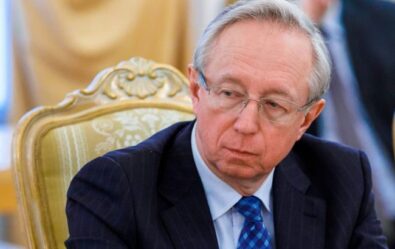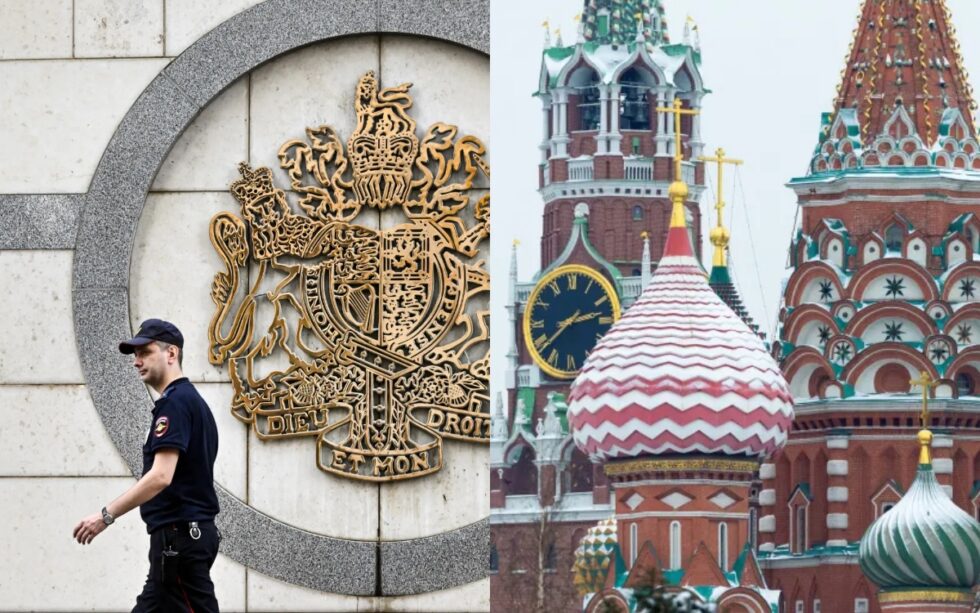
A severe diplomatic rift has widened between London and Moscow following the expulsion of a high-ranking British diplomat from the Russian Federation on March 30, 2026. The Russian Federal Security Service (FSB) has officially accused the staff member of "undeclared intelligence presence" and attempting to harvest sensitive economic data during informal meetings. This move is significant as it marks a peak in the ongoing "tit-for-tat" diplomatic warfare that has characterized UK-Russia relations throughout the mid-2020s, directly impacting international security protocols and embassy operations.
For the international community, this expulsion signals an increasingly hostile environment for Western diplomatic missions operating within Russian borders. This is reported by The WP Times, citing SKY.
The FSB Allegations: Intelligence and Subversive Activities
The FSB, the primary successor to the KGB, issued a detailed statement on Monday morning claiming that the British diplomat provided "false information about himself" during the visa application process. According to the security service, the individual was detected carrying out "intelligence and subversive activities" that allegedly threatened the national security of the Russian Federation.
The core of the accusation rests on the diplomat's supposed attempts to gather granular data on the Russian economy—specifically regarding sanctions-circumvention tactics—during non-official social gatherings.
Russian state media has amplified these claims, publishing photographs of the accused diplomat and issuing a stern warning to Russian citizens. The FSB has explicitly recommended that "compatriots refrain from holding meetings with British diplomats" to avoid potential criminal liability under Russia’s expanded "foreign influence" and "espionage" laws.
This rhetoric creates a de facto "no-contact" zone around the British Embassy, severely limiting the ability of diplomatic staff to perform standard outreach and political analysis.
| Aspect of Expulsion | Detail Provided by FSB/MFA | Official Regulatory Basis |
| Primary Charge | Provision of false personal data | Article 25.10 of Federal Law No. 114-FZ |
| Secondary Charge | Economic Espionage / Subversion | Article 276 of the Criminal Code of RF |
| Notice Period | 14 Days to depart Russia | Vienna Convention on Diplomatic Relations |
| Diplomatic Status | Revocation of Accreditation | Ministry of Foreign Affairs (MID) Protocol |
| Countermeasures | Formal Summons of British Chargé d'Affaires | Diplomatic Note No. 2026-UK/MSK |
The British Response: Dismissal of "Baseless Accusations"
The UK Foreign, Commonwealth & Development Office (FCDO) has moved quickly to dismiss the Kremlin’s claims, labeling them "complete nonsense" and "malicious fabrications." A spokesperson for the FCDO emphasized that the UK does not accept the intimidation of its embassy staff or their families, characterizing the expulsion as part of an "aggressive and coordinated campaign of harassment" by the Russian state. British officials argue that the diplomat in question was performing standard diplomatic duties, which include understanding the economic landscape of the host country.
In a reciprocal diplomatic move, Danae Dholakia, the British Chargé d'Affaires in Moscow, was summoned to the Russian Ministry of Foreign Affairs (MID) to receive a formal protest. The UK government maintains that the timing of this expulsion is politically motivated, likely intended to distract from internal Russian economic pressures or as a direct response to the UK’s leadership in international maritime security coalitions in early 2026. The FCDO has warned that such actions only serve to further isolate Moscow from global diplomatic norms.
Practical Implications for International Staff and Businesses
For organizations and diplomatic missions still operating in Russia in 2026, this incident serves as a critical case study in risk management. The FSB's recommendation for citizens to avoid British diplomats suggests that anyone—including international business consultants or journalists—interacting with Western embassy staff could be flagged for "criminal liability" under revised national security statutes. It is imperative that personnel adhere to strict communication protocols and avoid "informal meetings" that could be misconstrued as intelligence gathering.
- Security Protocol: Limit all meetings with local contacts to official embassy grounds or recorded venues.
- Legal Compliance: Ensure all visa and accreditation paperwork is 100% accurate; even minor discrepancies in past employment history are now being used as grounds for expulsion.
- Digital Hygiene: Assume all informal electronic communications are monitored by host-country security services, especially those concerning economic data or trade.
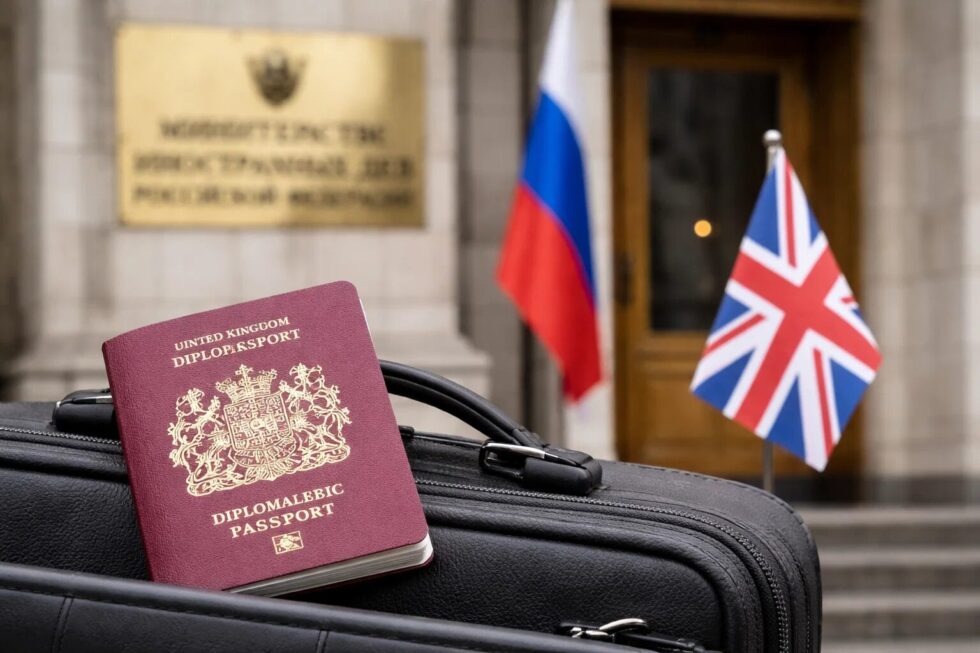
Regulatory Context: The 2026 Russian Security Landscape
The legal framework within Russia has shifted significantly since 2024, with the introduction of the "Unified Register of Persons under Foreign Influence." By March 2026, the definition of "espionage" and "subversion" has been broadened to include the mere collection of publicly available economic information if it is deemed to be used against the "interests of the state." This allows the FSB to target diplomats who are simply performing economic reporting, a standard function under the Vienna Convention.
Furthermore, the Russian Ministry of Foreign Affairs has warned that if London "escalates the situation," Moscow will respond with immediate, symmetrical measures. This likely refers to the potential expulsion of Russian diplomats from the UK's mission in London, creating a cycle of diplomatic attrition. For travelers and residents, this means that consular services may be further reduced, as embassy staffing levels fall below critical thresholds required for visa processing and citizen support.
- Check Visa Status: British citizens in Russia should ensure their registration (uchet) is up to date with the Ministry of Internal Affairs (MVD).
- Consular Access: Be aware that with fewer staff, the British Embassy's ability to provide emergency assistance is currently limited.
- Monitor Official Notices: Regularly check the FCDO "Travel Advice" page for Russia, which was updated on March 30, 2026, to reflect the current diplomatic tensions.
The specific focus on "information about the economy" is telling. In 2026, Russia’s economic data is largely classified as a state secret to prevent Western analysts from gauging the effectiveness of international sanctions. By accusing a diplomat of gathering this data during "informal meetings," the FSB is signaling that even casual discussion about inflation, supply chains, or trade with third countries is now a high-risk activity. This creates a "chilling effect" on the remaining international business community in Moscow and St. Petersburg.
The "harsh response" promised by Moscow indicates that the Kremlin is moving toward a policy of "zero tolerance" for undeclared intelligence activities, or what it perceives as such. This uncompromising position is formulated in accordance with the 2025 National Security Strategy of the Russian Federation, which prioritizes the "sovereignty of the information and economic space" above diplomatic convenience.
Read about the life of Westminster and Pimlico district, London and the world. 24/7 news with fresh and useful updates on culture, business, technology and city life: Fatal Stabbing in Westminster: Murder Investigation Launched Following Death of 26-Year-Old Man