

Smart glasses privacy fears are rapidly escalating across Britain after a woman in London said she was secretly filmed by a man wearing camera-equipped glasses, uploaded to social media without consent and later told she would need to pay if she wanted the footage removed. The case has intensified concerns around wearable surveillance technology, hidden recording devices, online harassment, influencer monetisation and the legal limits surrounding covert filming in public spaces, The WP Times reports.
The woman, referred to as Alice to protect her identity, said she only discovered the footage after a friend recognised her in a video that had already accumulated tens of thousands of views online. According to statements shared publicly, the footage had been recorded while she walked through a London shopping centre and appeared to show a man approaching her while using smart glasses capable of discreet video recording. The incident has now become one of the most widely discussed British privacy cases linked to wearable AI technology in 2026.
How the London smart glasses incident unfolded
Alice said she initially believed the man was merely attempting to start a conversation and did not realise she was being recorded. Unlike smartphones, smart glasses can capture footage hands-free without the highly visible gestures normally associated with filming. She later learned that the footage had been uploaded online as part of so-called “social interaction” or “dating advice” content frequently published by male influencers across TikTok, Instagram, YouTube and Threads. The clip reportedly gained around 40,000 views before being removed from one platform.
According to emails reviewed publicly during the investigation, Alice contacted the creator directly and requested that the footage be deleted because she felt “humiliated”. In response, she allegedly received a message stating that removal could be offered as a “paid service”. The creator later argued the wording had been misunderstood and claimed payment was not intended as a condition for protecting personal concerns. However, the wording of the email triggered wider accusations of coercion, online exploitation and potential extortion.
Key details reported in the case
| Element | Details |
|---|---|
| Location | London shopping centre |
| Device used | Smart glasses with built-in camera |
| Video views | Approximately 40,000 |
| Platform action | TikTok removed video and banned account |
| Police response | Investigation opened but not progressed |
| Main concern | Filming without consent and paid removal request |
The Metropolitan Police confirmed that officers reviewed the complaint but said there was insufficient information to progress the investigation further.
Why smart glasses are becoming a major privacy concern
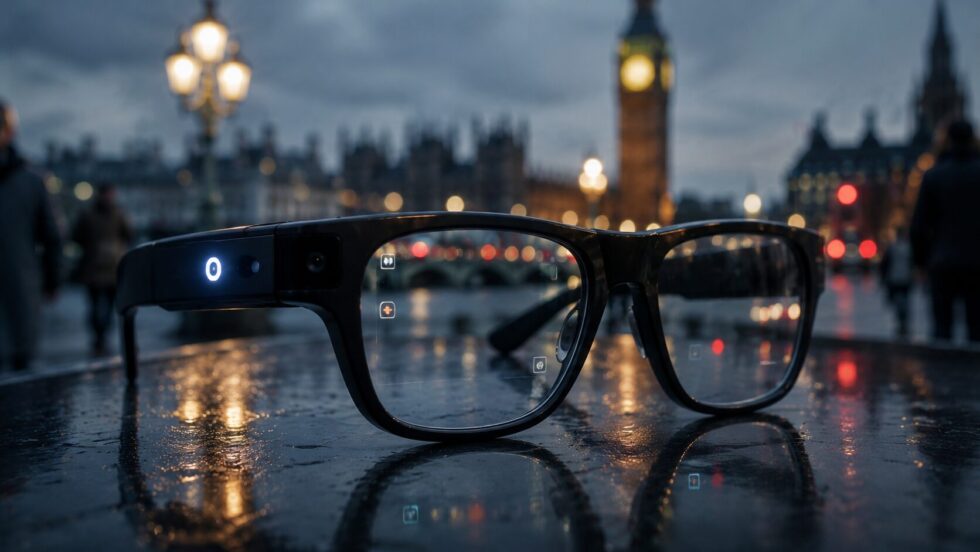
The case has reignited a wider debate about camera-equipped wearable devices including the Ray-Ban Meta Smart Glasses and similar AI-powered products entering the consumer market. Critics argue that these devices blur the line between ordinary social interaction and invisible surveillance. Unlike smartphones, wearable cameras can operate with far less social visibility. Experts say many people do not realise they are being recorded because the devices resemble normal fashion accessories rather than obvious recording equipment. Privacy researchers have repeatedly warned that wearable cameras could fundamentally alter behaviour in public spaces, especially for women. Some concerns include:
- Hidden filming in shops, transport and restaurants
- Monetisation of strangers through influencer content
- AI-assisted facial recognition risks
- Lack of meaningful consent mechanisms
- Re-uploading removed content across multiple platforms
- Difficulty proving covert recording to police
Technology analysts also note that the rapid integration of AI assistants into smart glasses may accelerate adoption even further during the next two years.
Social media monetisation and influencer culture under scrutiny
One of the most controversial elements of the case is the apparent attempt to financially benefit from footage involving strangers who had not agreed to appear online.
Researchers say modern social platforms reward emotionally provocative or socially awkward videos because they attract engagement, comments and repeat viewing. Content creators can then monetise that attention through advertising revenue, sponsorships or creator reward programmes. Legal academics interviewed in Britain argued that the issue is no longer only about privacy. Instead, the concern increasingly centres on financial incentives tied to humiliation-based content.
Dr Beatriz Kira from the University of Sussex law school warned that social media companies may need stronger systems that remove the economic incentives behind harmful uploads. Legal researcher Professor Clare McGlynn from Durham University also suggested the behaviour described in the case went beyond ordinary online disputes because it involved retaining harmful content unless payment was made.
Why experts say the issue is difficult to police
Several structural problems make these incidents difficult to investigate:
| Challenge | Why it matters |
|---|---|
| Public filming laws | Recording in public is often legal in Britain |
| Hidden devices | Victims may not know filming occurred |
| Cross-platform uploads | Videos can quickly spread elsewhere |
| Anonymous creators | Influencers may hide identities |
| International hosting | Platforms may operate outside UK jurisdiction |
Digital rights campaigners say Britain’s current legal framework was largely designed before AI wearables and always-on recording technology became mainstream consumer products.
Smart glasses industry faces growing pressure
The wearable technology sector is now facing mounting scrutiny from regulators, lawmakers and privacy campaigners across Europe and North America.
Manufacturers have attempted to reassure users by adding LED recording indicators intended to alert nearby people when filming is active. However, critics argue these systems are insufficient because indicators can be obscured, difficult to notice or misunderstood by the public. The London case has intensified questions about whether current safeguards are effective enough in crowded urban environments. Technology companies have so far largely defended wearable camera products as tools for communication, navigation and hands-free media creation. Supporters of smart glasses argue the devices are no different from smartphones in principle and should not be blamed for misuse by individuals. However, privacy advocates say the invisibility factor changes the social dynamic entirely.
Growing concerns linked to smart glasses in 2026
- AI-powered live translation
- Always-on microphones
- Real-time video streaming
- Facial recognition integration
- Location tracking
- Silent background recording
- Cloud storage of interactions
Industry analysts expect global smart glasses sales to increase significantly through 2027 as major technology firms compete to dominate wearable AI markets.
Government and platform responses intensify
The British government said women and girls “deserve to feel safe” and described non-consensual filming and sharing of online content as unacceptable. Officials also pointed to Britain’s updated Violence Against Women and Girls strategy, which includes measures targeting technology-enabled abuse.
Meanwhile, TikTok removed the original video and banned the account involved for breaches relating to bullying and harassment policies. Meta also reportedly removed reposted versions appearing on its platforms. The incident nevertheless exposed how quickly content can migrate between platforms even after moderation action is taken. Digital policy specialists increasingly argue that removal alone is no longer enough once footage has already circulated online, been downloaded or copied elsewhere.
What happens next for smart glasses regulation?
The London incident may become a defining case in the broader debate over wearable surveillance technology in Britain. Legal experts expect growing calls for clearer consent rules, tougher platform enforcement and updated privacy legislation specifically addressing smart glasses and AI-enabled recording devices. Some campaigners are now pushing for mandatory visible recording alerts that cannot be disabled or obscured. Others want harsher penalties for monetising footage involving non-consenting individuals.
At the same time, the wearable technology market continues expanding rapidly as AI becomes more deeply integrated into consumer electronics. For Alice, however, the issue remains personal rather than theoretical. She said the possibility that the original footage still exists online continues to leave her feeling anxious and powerless. The case has now become part of a much larger national discussion about surveillance, consent, online monetisation and whether existing laws are capable of protecting people in an era where cameras are increasingly hidden in everyday objects.
Read about the life of Westminster and Pimlico district, London and the world. 24/7 news with fresh and useful updates on culture, business, technology and city life: When will fire tv blaster discontinue take effect and why are UK devices being disabled now
Used materials and reporting references included coverage and reporting from BBC News and Gizmodo.