The United Kingdom is a hub of vibrant cities, rich with history, culture, and bustling urban life. However, navigating these metropolitan centers can quickly become an expensive affair, with transport costs often being one of the largest budget items for both residents and tourists. From the iconic London Underground to the extensive bus networks in Manchester and Edinburgh, the price of getting around can add up fast if you're not careful. Fortunately, with a bit of savvy planning and the right tools, you can significantly reduce your transport expenditure. This guide will provide you with a comprehensive strategy, from using the right payment methods to exploring alternative travel options, to help you navigate UK cities without breaking the bank, аs The WP Times notes.
Navigating the Public Transport System
The public transport systems in most major UK cities, particularly London, are sophisticated and can seem daunting at first. However, understanding how to pay for your journey is the most crucial step to saving money. The most expensive option is almost always buying a single-journey paper ticket, which can cost significantly more than a contactless fare. The key to affordable travel lies in the smart use of modern payment methods and travel passes that cap your spending, ensuring you never pay more than a daily or weekly maximum, regardless of how much you travel.
The Power of Contactless and Travelcards
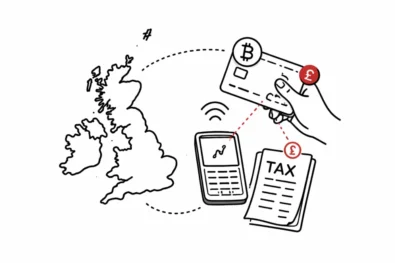
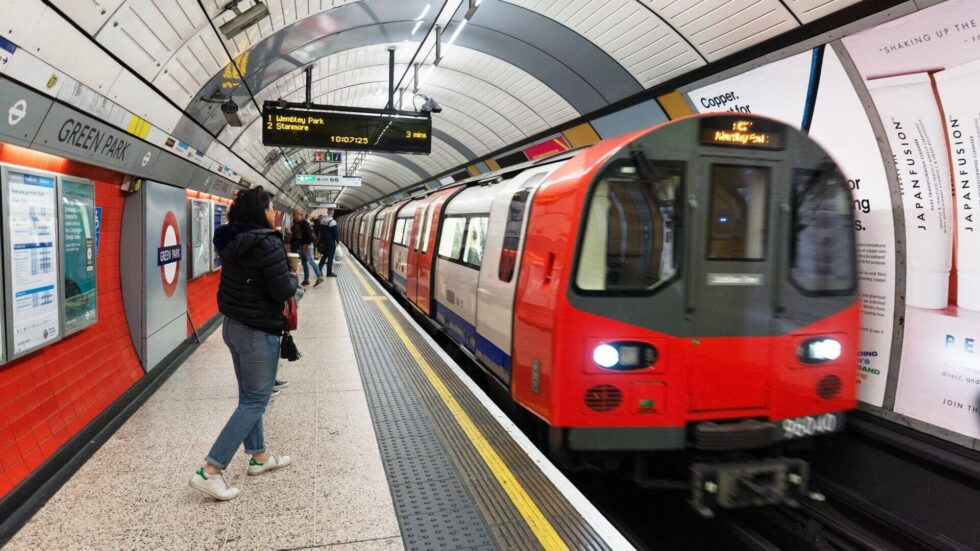
Many UK cities, led by Transport for London (TfL), have embraced contactless payment as the standard for public transport. You can simply tap your contactless bank card or a digital wallet on your phone at the start and end of your journey. The system automatically calculates the cheapest fare, including daily and weekly price caps. This eliminates the need for paper tickets and ensures you always get the best price. In London, the Oyster Card is another essential tool that offers the same capping benefits and can be topped up for easy use.
- Contactless Payments: Use your bank card or phone for "tap-and-go" travel and benefit from automatic fare capping.
- Oyster Card: A dedicated smart card for London's transport network, providing the same benefits as contactless payments.
- Travelcards: Buy a weekly or monthly travelcard for unlimited travel within specific zones, ideal for frequent commuters.
- Railcards: For longer journeys, a Railcard (e.g., 16-25 Railcard) can save you up to 1/3 on train fares across the UK.
- City-specific travel apps: Apps like the Citymapper are invaluable for planning routes and finding the cheapest and fastest way to get around.
The beauty of the contactless and Oyster systems is their simplicity and efficiency. You don't have to worry about calculating fares or zones; the technology does it for you. For those staying for an extended period, a weekly or monthly travelcard can offer even greater savings, providing unlimited travel within your chosen zones. For journeys outside of the city, a Railcard is an absolute must-have for anyone under 30, offering significant discounts on train travel across the entire country.
Smart Travel Choices and Alternative Modes
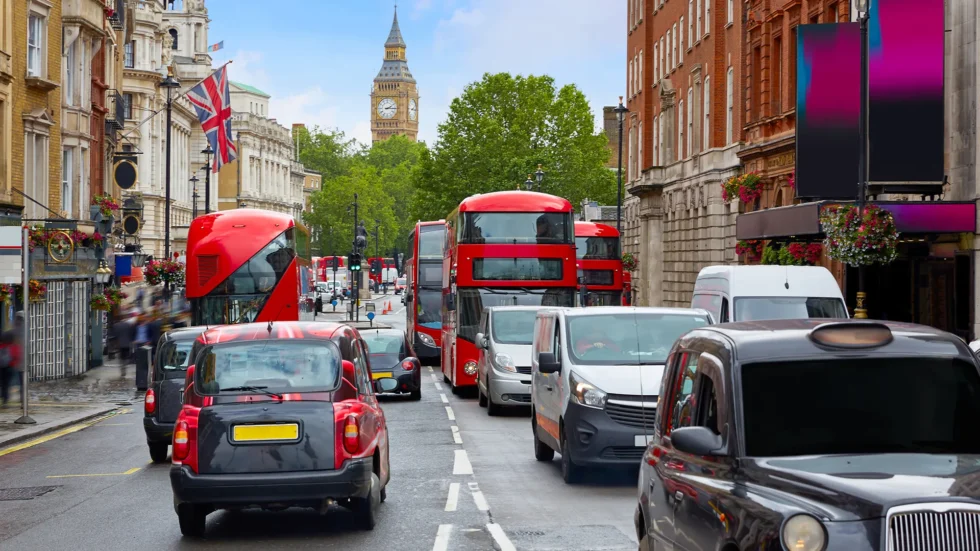
While the London Underground is famous and efficient, it's not always the cheapest way to travel. For shorter distances or for a more scenic view, you should consider alternative modes of transport. In most UK cities, buses are a significantly cheaper option than the Underground or trams for short to medium-distance journeys. They also allow you to see the city at street level, giving you a better feel for the local neighbourhoods and communities. Exploring a city on foot or by bicycle is also a fantastic way to save money and stay active.
Beyond the Tube: Bikes, Buses, and Walking
Most UK cities are highly walkable, especially their central areas, allowing you to explore key attractions for free. For longer distances, a bicycle can be an excellent choice. London has its own bike-sharing scheme, Santander Cycles, with docking stations all over the city. Other major cities like Manchester and Edinburgh have similar schemes that offer a flexible and affordable way to get around. Buses are another reliable and cheap alternative.
| Mode of Transport | Pros | Cons |
| Walking | Free, healthy, great for short distances, allows you to see the city. | Time-consuming for long distances, not ideal in bad weather. |
| Buses | Cheaper than the Underground, more scenic, good for medium distances. | Can be slow in heavy traffic, less reliable for strict schedules. |
| Cycling | Inexpensive, fast for short to medium distances, good for health. | Weather-dependent, not suitable for all areas, requires confidence in city traffic. |
| Underground/Tube | Fast, efficient, reliable, covers long distances. | Can be expensive, often crowded, no view of the city. |
Choosing the right mode of transport depends entirely on the distance, time, and weather. For a quick trip to a nearby museum, walking is the perfect choice. If you're heading across the city, the Underground is your fastest option, but a bus might be a more budget-friendly alternative. The best strategy is to combine different modes of transport to maximize savings while still getting to your destination efficiently.
Leveraging Technology and Planning Ahead
To truly master budget travel in the UK, you need to think like a seasoned traveler. This means using technology to your advantage and planning your journeys well in advance. For long-distance intercity travel, booking your train tickets ahead of time can save you a fortune. The price of a train ticket bought on the day of travel can be exorbitant, but booking a few weeks in advance often results in significant discounts. Using apps like Trainline or National Rail Enquiries can help you find the best "Advance" fares.
Furthermore, consider long-distance coaches like National Express or Megabus. While slower than a train, a coach journey from London to Manchester or Edinburgh can be a fraction of the price. For shorter trips within a city, paying for your tickets via mobile apps is often cheaper than buying a paper ticket at the station. These apps also provide real-time updates on delays and disruptions, helping you avoid travel headaches.
Navigating the vibrant cities of the UK doesn't have to come with a hefty price tag. By adopting a few smart strategies, you can significantly reduce your transport costs. Using contactless payments, exploring alternative modes like buses and bikes, and planning your journeys in advance are the key to success. With a bit of savvy planning, you can explore everything Britain has to offer without breaking the bank, making your trip both memorable and affordable.
Read about the life of Westminster and Pimlico district, London and the world. 24/7 news with fresh and useful updates on culture, business, technology and city life: Where and when are The Weeknd’s 2026 Europe concerts: London, Britain and beyond.