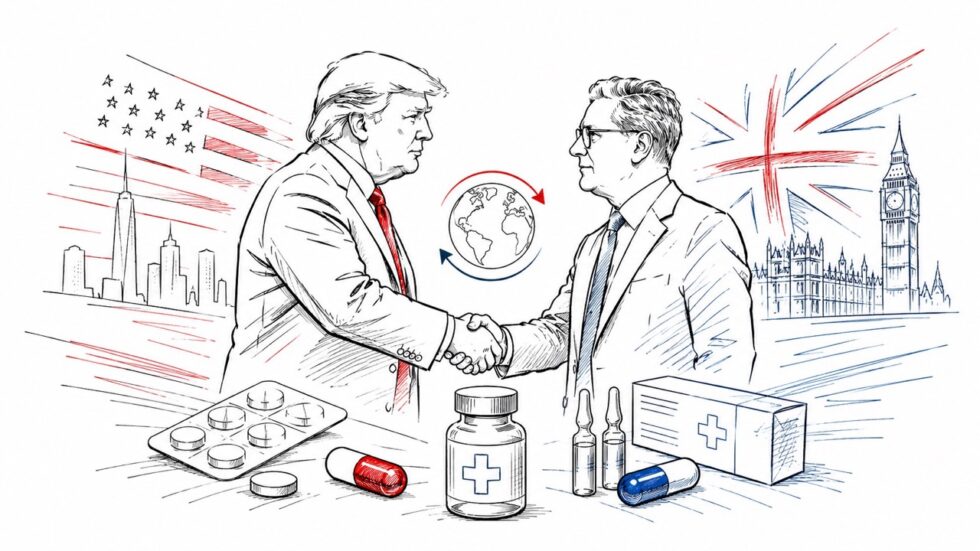
US UK trade deal medicine concerns have intensified after a new BMJ analysis suggested the pharmaceutical agreement with Washington could force the NHS in England to divert tens of billions of pounds towards higher medicine costs by 2036, raising fresh questions over patient care, parliamentary scrutiny and whether ministers have been transparent about the price of avoiding US tariffs, reported The WP Times.
The deal, agreed with the United States and finalised this year, gives British pharmaceutical exports tariff protection but requires the UK to pay more for new medicines and increase spending on innovative drugs. Reuters reported that the agreement includes a 25% rise in prices paid by the NHS for new drugs from April 2026 and a planned increase in medicines spending towards 0.6% of GDP by 2035.
Why the US UK trade deal medicine issue matters for NHS patients
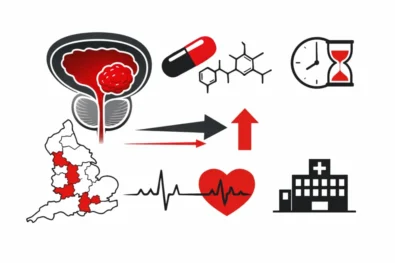
The core problem is simple: if the NHS must pay substantially more for branded medicines, the money must either come from extra government funding or from existing health budgets. The BMJ analysis, reported by The Guardian, estimates that £44.7bn could be diverted from NHS services by 2036 unless additional funding is provided.
That is why the issue has moved beyond trade policy. It now touches cancer scans, GP access, staffing, long-term disease care and hospital waiting lists. The analysis suggests that if the extra medicines bill is funded by reducing other NHS spending, England could see 229,000 excess deaths by 2036. With adult social care effects included, the estimate rises to 291,000.
The government disputes the figures. A Department of Health and Social Care spokesperson said the £45bn estimate was “not recognised” by the department and argued that the deal would help NHS patients access new medicines previously denied to them.
What the UK agreed with the US on medicines
The agreement was presented by ministers as a way to protect British pharmaceutical exports from threatened US tariffs while improving patient access to advanced treatments. AP reported earlier that the UK secured zero-tariff access for pharmaceutical exports to the US for at least three years, while agreeing to increase domestic spending on innovative medicines by about 25%.
The practical effect is a shift in how Britain prices and funds new medicines. The NHS has traditionally used strict cost-effectiveness rules through NICE to decide whether a drug offers enough benefit for the price being charged. Critics say the US deal weakens that independent pricing discipline and gives pharmaceutical companies more room to charge higher prices.
| Issue | What changes |
|---|---|
| Drug prices | NHS pays more for new medicines |
| Trade access | UK pharma exports avoid US tariffs |
| NHS budget risk | Higher medicine costs may squeeze services |
| Scrutiny concern | MPs and campaigners say the deal lacked proper debate |
| Patient impact | BMJ analysis links lower service spending to excess deaths |
What experts and campaigners are saying about the medicine deal
Campaigners argue that the agreement was rushed through without enough democratic scrutiny. Global Justice Now said the BMJ paper added to evidence that the “Trump medicines deal” risks damaging both health and the economy, with NHS money potentially shifted from staff, GP access and hospital care to pharmaceutical companies.
Tim Bierley, campaigner at Global Justice Now, said the research showed that if money was diverted from critical NHS services to fund the deal, it could lead to hundreds of thousands of deaths. He also criticised what he described as a backroom process and called on the next prime minister to change direction.
Sir Ciarán Devane, chief executive of the NHS Alliance, said the findings raised “serious questions” about value for patients and the health service if billions were moved away from frontline care. Liberal Democrat health spokesperson Helen Morgan called the analysis “alarming” and urged ministers to publish their full impact review.
What happens next for the US UK trade deal medicine row
The immediate demand is transparency. MPs, campaigners and health experts want the government to publish its full impact assessment so Parliament can examine the true cost of the agreement. The political question is whether ministers can prove that higher medicine spending will be covered by new money, rather than by cutting existing NHS services. Without that assurance, the trade deal will remain one of the most serious health-policy controversies facing Britain in 2026. For patients, the issue is not abstract. If the NHS gets new drugs but loses capacity elsewhere, the benefit may be uneven: some patients may gain access to advanced therapies, while others face longer waits for diagnosis, treatment and routine care. That is why the US UK trade deal medicine debate is now a test of both health funding and democratic accountability.
Materials used: BMJ analysis, The Guardian reporting, Reuters/AP background, Global Justice Now reaction, Department of Health and Social Care statement.
Read about the life of Westminster and Pimlico district, London and the world. 24/7 news with fresh and useful updates on culture, business, technology and city life: ASML denies China EUV claim as US scrutiny puts chip export controls under pressure