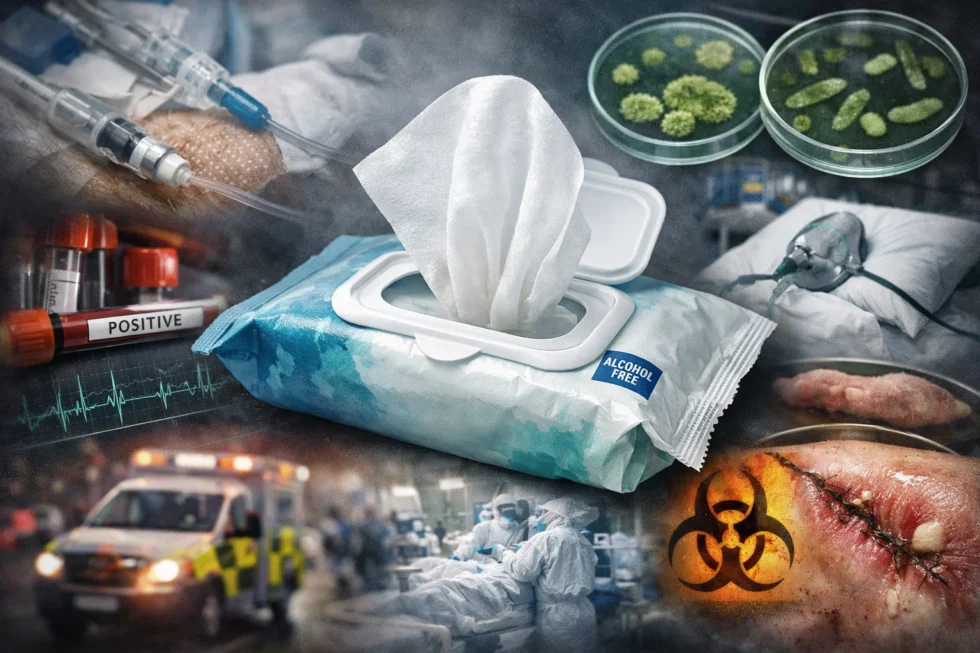
London, 6 February 2026 — UK health authorities have issued a national safety alert after confirming that contaminated non-sterile alcohol-free wet wipes are linked to a long-running infection outbreak that has resulted in 59 laboratory-confirmed cases and one death across the United Kingdom, reported by The WP Times. The alert follows updated regulatory findings indicating that the affected wipes — despite having been formally withdrawn from sale in 2025 — may still be in use, remaining in households, workplaces and first aid kits. Officials warn that these products continue to pose a risk, particularly to clinically vulnerable individuals and patients receiving medical care at home.
The warning has been issued jointly by the UK Health Security Agency (UKHSA) and the Medicines and Healthcare products Regulatory Agency (MHRA) following confirmation of an ongoing UK outbreak of Burkholderia stabilisinfections. Investigations have linked the cases to the use of non-sterile cleansing wipes on broken or damaged skin and on medical access points, including intravenous lines.
What health authorities have confirmed
According to the UK Health Security Agency (UKHSA), a total of 59 laboratory-confirmed cases of Burkholderia stabilis infection have been identified in the United Kingdom between January 2018 and 3 February 2026. Health authorities confirmed that:
- one death has been directly attributed to the infection following clinical assessment
- several patients required hospital treatment, including inpatient care
- a limited number of additional cases continue to be identified, predominantly among individuals classified as clinically high-risk
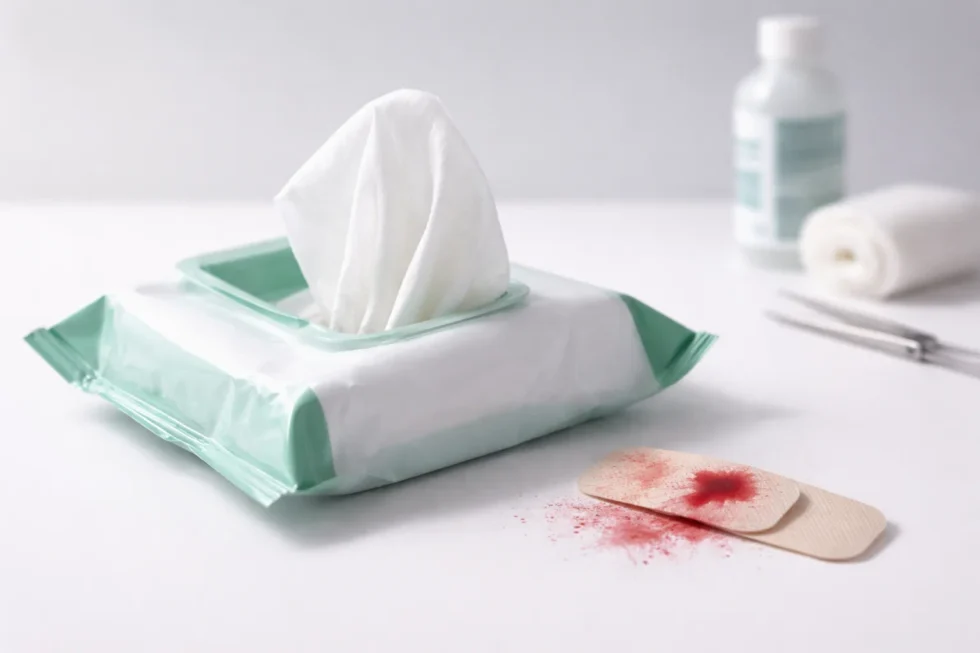
UKHSA said Burkholderia stabilis is an environmental bacterium commonly found in soil and water and that it rarely causes disease in healthy people. Officials underlined that the bacterium does not spread from person to person, eliminating the risk of community transmission. Epidemiological investigations found that all confirmed cases were linked to direct exposure, where contaminated non-sterile alcohol-free wipes were used on broken or damaged skin, open wounds, or medical access points, including intravenous (IV) lines. This created a pathway for bacteria to enter the body, leading to infection. UKHSA said this pattern of exposure explains why cases have been concentrated among vulnerable patients, rather than the general population.
Why the wet wipes warning was issued
During outbreak investigations conducted in 2025, the UK Health Security Agency (UKHSA) identified a consistent epidemiological association between confirmed Burkholderia stabilis infections and the use of non-sterile alcohol-free cleansing wipes commonly marketed for first aid and personal care.
Subsequent laboratory testing confirmed bacterial contamination in multiple wipe products, leading to regulatory action. The Medicines and Healthcare products Regulatory Agency (MHRA) ordered the affected products to be withdrawn from sale in July 2025 as a precautionary measure. Despite the withdrawal, health authorities have warned that previously purchased stock may still remain in use, particularly in household, workplace and community first aid kits. This ongoing presence of affected products is the primary reason the national safety alert remains active.
Officials stressed that the risk does not apply to wipes in general, but arises from the use of non-sterile cleansing products on broken skin, open wounds or medical access points, where sterility is required to prevent infection.
Products named by regulators and scope of the warning
Health authorities have formally identified specific non-sterile alcohol-free wet wipes linked to the outbreak and confirmed that these products must not be used under any circumstances, particularly for wound care or medical purposes. The wipes explicitly named by regulators are:
- ValueAid Alcohol Free Cleansing Wipes
- Microsafe Moist Wipe Alcohol Free
- Steroplast Sterowipe Alcohol Free Cleansing Wipes
- Reliwipe Alcohol Free Cleansing Wipes
(contaminated with a different Burkholderia strain)
Regulators stressed that the warning is not limited to the brands listed above. The critical factor is sterility, not branding. Health authorities made clear that any non-sterile alcohol-free wipe presents a potential infection risk if used on broken or damaged skin, open wounds, or medical devices, including intravenous lines. The named products were identified through laboratory testing and patient exposure assessments conducted during the outbreak investigation. While these products were ordered to be withdrawn from sale in 2025, authorities warned that existing stock may still be in circulation, reinforcing the need for continued public vigilance.
What officials are saying
Speaking on 6 February 2026, as the national safety alert was issued, Dr Alison Cave, Chief Safety Officer at the Medicines and Healthcare products Regulatory Agency (MHRA), urged the public to check first aid supplies and product labelling.
In an official MHRA statement released in London, she said:
“People should double-check that any wipes used on broken skin are clearly labelled sterile.”
At the same briefing, Dr James Elston, Consultant in Epidemiology and Public Health at the UK Health Security Agency (UKHSA), said the guidance applies across all settings, including homes, workplaces and community care.
Speaking on behalf of UKHSA, he said:
“Non-sterile alcohol-free wipes, of any type or brand, should not be used for the treatment of injuries, wounds or broken skin, and they should never be used to clean intravenous lines.” Both officials said the advice is based on evidence gathered during the ongoing outbreak investigation and is intended to prevent further infections, particularly among clinically vulnerable patients and those receiving care at home.
Who is most at risk from contaminated wet wipes in the UK
The UK Health Security Agency (UKHSA) said the overall risk to the general public remains low, but confirmed that the risk of severe infection is significantly higher for specific clinical groups, particularly where skin integrity is compromised or medical devices provide a direct route for infection. Those identified as being at increased risk include:
- people with weakened immune systems, including those receiving immunosuppressive treatment
- patients with cystic fibrosis
- individuals managing intravenous (IV) lines at home
- hospital and community-care patients with open wounds or damaged skin
UKHSA said the majority of recent cases have been detected within these groups, reflecting the route of exposure rather than any wider transmission in the community. The agency said this pattern underlines why the national safety alert remains in place, despite affected products having been withdrawn from sale.
Symptoms to watch for
Health authorities are advising people to seek medical advice promptly if symptoms develop after alcohol-free wipes have been used on broken or damaged skin. Symptoms may include:
- redness, swelling or warmth around a wound
- increasing pain or wounds that do not heal as expected
- discharge of pus or fluid
- fever or chills
In a small number of cases, infection can progress to sepsis, a life-threatening condition requiring urgent medical treatment. Anyone who is concerned is advised to contact NHS 111 for immediate guidance.
What the public should do now
The UK Health Security Agency (UKHSA) and the Medicines and Healthcare products Regulatory Agency(MHRA) are urging the public to take clear precautionary steps to reduce the risk of infection:
- check all household and workplace first aid kits for alcohol-free wipes
- do not use any wipes unless they are clearly labelled “sterile”
- dispose of affected products in normal household waste
- follow NHS guidance on wound care and the safe use of medical devices
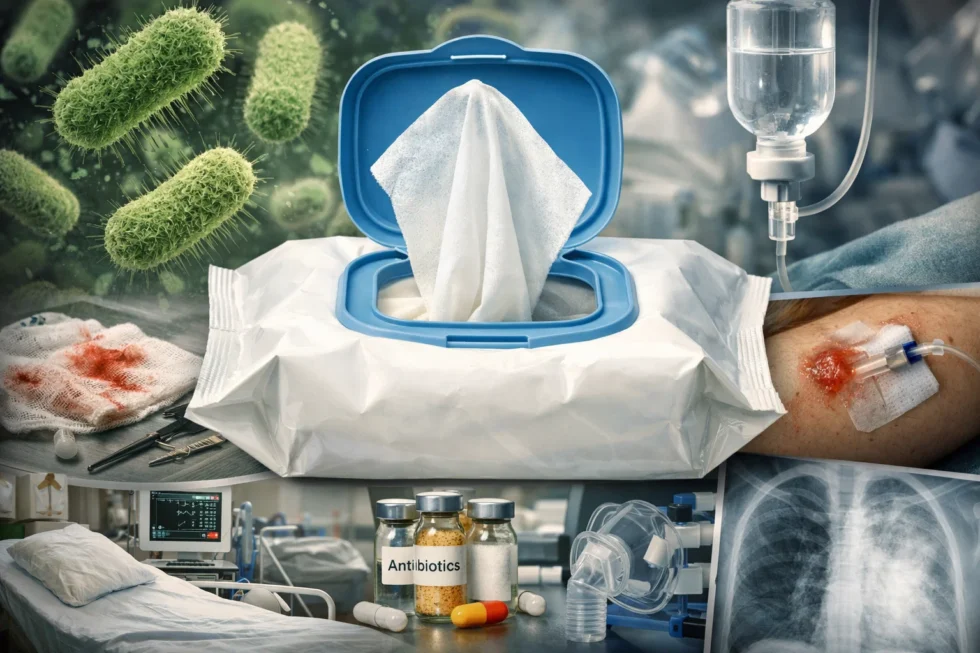
Authorities said the link to the outbreak was established through testing wipes used by affected patients, followed by a patient safety alert issued in June 2025 and supplier warnings released the following month. Health officials said surveillance and case monitoring are continuing, and the national alert will remain in place while investigations continue.
Read about the life of Westminster and Pimlico district, London and the world. 24/7 news with fresh and useful updates on culture, business, technology and city life: What is known about the с as more baby formula batches are withdrawn in the UK