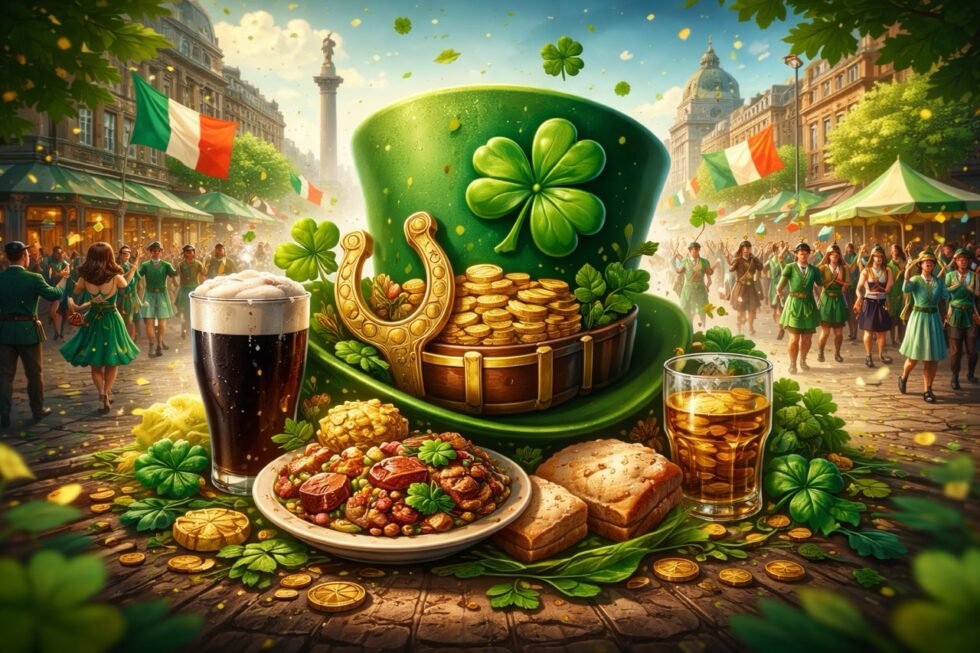
St Patrick’s Day 2026 falls on Tuesday, 17 March, but in London the celebration usually extends across several days. The capital becomes one of the most vibrant places in Europe to experience Irish culture, combining parades, concerts, traditional pub rituals and street festivals that transform parts of the city into a sea of green. Although the holiday originates in Ireland, London has developed its own distinctive St Patrick’s atmosphere. Irish flags appear outside pubs, shamrocks decorate windows and live folk music spills into the streets around Soho, Piccadilly, Camden and Trafalgar Square. Thousands of people — locals, Irish expatriates and international visitors — gather in the city centre to take part in the celebrations.
As The WP Times reports, London now hosts one of the largest St Patrick’s Day festivals outside Ireland, organised with support from the Irish Embassy and the Mayor of London. The festival combines official cultural events with informal pub traditions that have become an essential part of London nightlife. Understanding the rituals and traditions behind the celebration helps visitors experience the day the way locals do — moving from parade to festival to pub gatherings as the city celebrates Irish culture.
Top facts about St Patrick’s Day: key traditions, symbols and global celebrations
| Fact | Explanation |
|---|---|
| Date of the celebration | St Patrick’s Day is celebrated every year on 17 March, the traditional date associated with the death of Saint Patrick, Ireland’s patron saint. |
| Historical origin | The holiday began as a religious feast day in Ireland honouring Saint Patrick, who helped spread Christianity across the island in the 5th century. |
| Why the colour green dominates | Green symbolises Ireland’s landscape, known as the “Emerald Isle”, and the shamrock plant associated with Saint Patrick’s teachings. |
| The shamrock symbol | According to tradition, Saint Patrick used the three-leaf shamrock to explain the Christian Trinity: Father, Son and Holy Spirit. |
| Global celebrations | St Patrick’s Day is celebrated worldwide in cities such as London, New York, Chicago, Sydney and Toronto. |
| Largest parade outside Ireland | One of the largest celebrations outside Ireland takes place in New York City, attracting millions of spectators each year. |
| London celebrations | London hosts a major St Patrick’s parade and festival at Trafalgar Square, drawing tens of thousands of visitors annually. |
| Traditional drink | The most famous drink associated with the holiday is Guinness stout, produced in Dublin since the 18th century. |
| Famous greeting | A common toast during celebrations is “Sláinte!”, an Irish Gaelic word meaning health. |
| Traditional food | Popular dishes served on the day include Irish stew, soda bread and colcannon (potatoes with cabbage). |
| Cultural identity | The celebration has become a global symbol of Irish culture, heritage and diaspora communities around the world. |
| Symbol of Irish folklore | Leprechauns — small mythical shoemakers guarding pots of gold — are playful figures associated with the holiday. |
Ritual one: wear green and carry a shamrock
The first ritual of St Patrick’s Day begins even before the celebrations start — choosing something green to wear. In London the tradition is taken seriously. On the morning of 17 March, trains on the Underground and buses across the city fill with people wearing green jackets, scarves, hats or small shamrock pins. The colour green is deeply connected with Ireland. The country is often called the Emerald Isle, a reference to its famously lush green landscapes. The shamrock plant — a small three-leaf clover — also carries historical meaning. According to Irish tradition, Saint Patrick used the shamrock as a symbol to explain the concept of the Christian Trinity.
During St Patrick’s Day the shamrock becomes a festive emblem of Irish heritage. In London it appears everywhere: printed on T-shirts, embroidered on hats or pinned to jackets. Street vendors near Trafalgar Square and Soho often sell small shamrock badges to visitors who want to join the celebration. Groups of friends sometimes take the tradition further by dressing in playful costumes inspired by Irish folklore. Leprechaun hats, bright green jackets and even glittering shamrock accessories are common sights. The ritual is simple but symbolic — wearing green signals participation in the festival and instantly connects strangers who share the same festive spirit.
Ritual two: watch the St Patrick’s Day parade in central London
The next major ritual of the day is attending the St Patrick’s Day parade, the largest public event connected with the celebration in London. The parade transforms central London into a colourful procession of music, dance and cultural symbolism. The procession typically begins near Hyde Park Corner, where performers gather before moving along Piccadilly toward Trafalgar Square. Spectators often arrive hours in advance to secure a good view along the route. Families, tourists and groups of friends line the pavements while street musicians play Irish melodies.
Participants in the parade represent Irish communities from across Britain and Ireland. Traditional Irish dance academies perform energetic step-dance routines while marching bands play lively folk tunes. Cultural groups carry flags representing Irish counties, creating a vibrant display of Irish identity. The atmosphere is festive and theatrical. Bright costumes, rhythmic music and the sound of traditional instruments such as fiddles and drums fill the streets. For many visitors the parade is the moment when St Patrick’s Day truly begins — a lively public celebration that introduces the cultural roots of the festival.
Ritual three: spend the afternoon at the Trafalgar Square festival
After the parade finishes, the crowd gradually moves toward Trafalgar Square, which becomes the centre of London’s St Patrick’s Day celebrations. The square hosts a large outdoor festival organised by the Mayor of London, featuring music, dance and Irish cultural displays.
A large stage is installed at the centre of the square where Irish bands perform throughout the afternoon. Visitors gather around the stage listening to folk music while dancers perform traditional routines. The rhythmic tapping of Irish step dancing echoes across the square, creating an atmosphere reminiscent of festivals in Dublin. Around the stage a ring of food stalls offers Irish dishes and snacks. Visitors can taste traditional foods such as soda bread, Irish stew and sweet desserts made with Irish cream. Cultural workshops introduce aspects of Irish heritage, including language demonstrations and craft activities.
Families with children often spend several hours at the festival, enjoying storytelling events or interactive performances. The atmosphere is lively yet welcoming, making the square one of the most sociable spaces in London during the celebration.
Ritual four: drink Guinness in a traditional Irish pub
No St Patrick’s Day ritual is more famous than drinking Guinness, the iconic Irish stout beer. In London the tradition usually unfolds in one of the city’s historic Irish pubs, many of which become packed with visitors during the festival. The ritual of drinking Guinness has its own quiet ceremony. Bartenders carefully pour the dark stout into tall glasses and allow it to settle before topping it up, creating the creamy foam that the drink is known for. In many pubs the process is done slowly, reinforcing the sense that Guinness is meant to be savoured rather than rushed.
Several pubs in London are particularly well known for their St Patrick’s atmosphere. Waxy O’Connor’s in Soho is famous for its labyrinth of wooden staircases and cosy rooms filled with live music. The Toucan, also in Soho, has built a reputation for serving some of the best Guinness in the city. The Auld Shillelagh in Stoke Newington offers a more traditional Irish pub atmosphere where folk musicians often gather for late-night sessions. Inside these pubs visitors share long wooden tables while listening to music and raising glasses in quiet celebration. The ritual is not only about drinking but about participating in the communal spirit that defines Irish pub culture.
Ritual five: taste traditional Irish food
Food is another important part of the celebration. During St Patrick’s Day many pubs and restaurants across London introduce special Irish menus designed to complement the festival atmosphere. One of the most traditional dishes served during the celebration is Irish lamb stew, a slow-cooked meal combining tender lamb with potatoes, carrots and herbs. The dish is hearty and warming — perfect for the cool evenings of early spring. Another staple is soda bread, a dense bread traditionally made with baking soda rather than yeast. Served warm with butter, it accompanies many Irish meals. Visitors may also encounter colcannon, a comforting dish made from mashed potatoes mixed with cabbage or kale.
While fish and chips are associated with British cuisine, they often appear on St Patrick’s menus as well. Restaurants sometimes add Irish twists to the dish by serving it with soda bread or whiskey sauces. Eating traditional Irish food during the celebration connects visitors with the culinary heritage behind the festival and adds a deeper layer to the experience.
Ritual six: try the secret St Patrick’s cocktail
While Guinness remains the classic drink of St Patrick’s Day, London bartenders often prepare creative cocktails inspired by Irish flavours. One lesser-known favourite among bartenders is sometimes referred to as the Emerald Whisper, a cocktail designed to capture the freshness of Irish ingredients.
The drink combines Irish whiskey with citrus and herbal notes. Fresh lime juice provides brightness while elderflower liqueur adds subtle floral sweetness. Mint leaves are lightly crushed to release their aroma before the mixture is shaken with ice and topped with sparkling water. Served in a chilled glass with a sprig of mint, the cocktail is refreshing and surprisingly light compared with darker Irish drinks. In several London bars bartenders quietly recommend it to guests looking for something different from the traditional stout. The ritual of discovering hidden drinks like this adds an element of exploration to the celebration. Visitors move between bars tasting variations of Irish-inspired cocktails created especially for the festival.
Ritual seven: explore London’s Irish nightlife districts
As evening approaches, the celebration shifts from public squares to London’s nightlife districts. Certain neighbourhoods become particularly lively during St Patrick’s Day.
Soho is widely regarded as the centre of Irish pub culture in London. The narrow streets around Dean Street and Greek Street fill with visitors moving between pubs while live music spills out onto the pavement. The atmosphere is energetic and sociable.
Camden offers a different mood, attracting younger crowds drawn to its music venues and alternative bars. St Patrick’s events here often include live rock concerts or DJ performances that blend Irish folk influences with modern music.
Hammersmith retains strong historical links with London’s Irish community. Several pubs in the area host traditional folk sessions where musicians gather to play acoustic instruments late into the evening. Exploring these districts allows visitors to experience different interpretations of the celebration across the city.
Ritual eight: listen to late-night Irish music sessions
Music is one of the most important cultural elements of St Patrick’s Day. In many London pubs the evening concludes with traditional Irish music sessions, often called “trad sessions”. Unlike formal concerts, these sessions are usually informal gatherings of musicians seated around a table. One performer begins playing a tune on a fiddle or tin whistle, and gradually other musicians join in with guitars, flutes or drums.
The music is lively and rhythmic, often encouraging spontaneous clapping or dancing among the audience. Visitors sit close to the musicians, creating an intimate atmosphere where the music feels personal rather than staged. These sessions can continue late into the night. For many people this is the most authentic part of St Patrick’s Day — a moment when Irish culture is expressed not through spectacle but through shared music and community.
Ritual nine: photograph London’s green celebrations
Another modern ritual of St Patrick’s Day is capturing the visual atmosphere of the celebration. Throughout the festival London streets fill with green decorations, flags and costumes. Visitors often gather in places such as Trafalgar Square, Piccadilly Circus and Soho to photograph the celebrations. Groups dressed in green costumes pose for pictures while street performers entertain the crowds. Social media has amplified this ritual, turning the celebration into a global visual event. Photographs of green lights, shamrocks and festive crowds spread across social platforms, extending the atmosphere of the festival far beyond London itself.
Ritual ten: embrace the playful spirit of Irish folklore
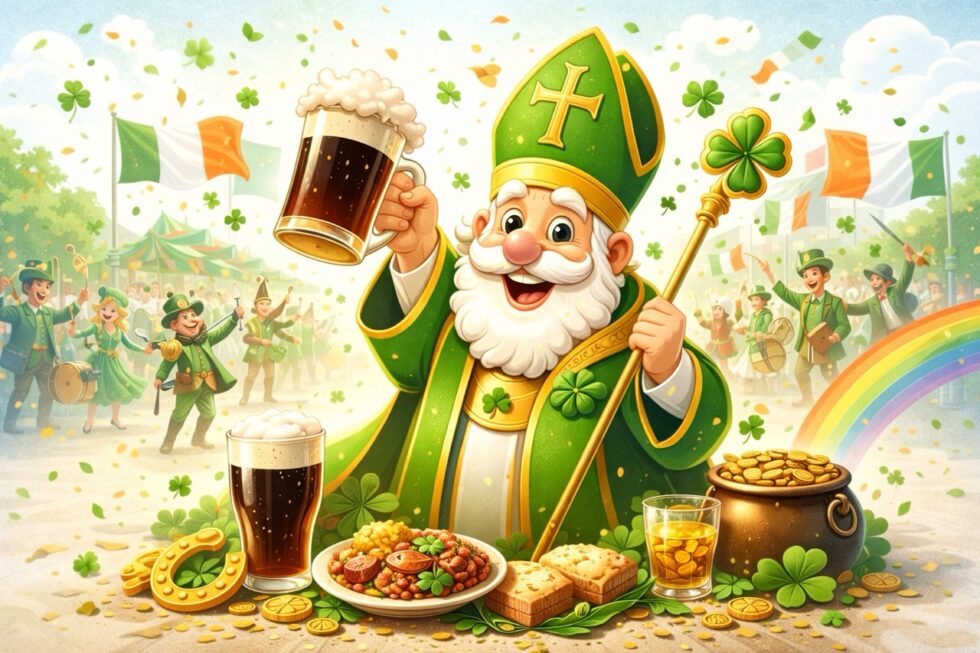
The final ritual of St Patrick’s Day is less tangible but equally important — embracing the humour and folklore associated with Irish culture. Stories about leprechauns, mischievous fairy shoemakers who guard hidden pots of gold, have become part of the holiday’s mythology. During the festival these stories are retold in playful ways, appearing on decorations, costumes and pub signs.
The folklore adds an element of imagination to the celebration. Visitors laugh, share stories and enjoy the sense of luck and optimism traditionally associated with Irish culture. In this spirit St Patrick’s Day becomes more than a historical commemoration. It becomes a joyful gathering where music, humour and community combine to create one of London’s most energetic cultural celebrations.
What do people say to each other on St Patrick’s Day: greetings, toasts and pub traditions
One of the most recognisable social rituals of St Patrick’s Day is the way people greet and congratulate each other throughout the day. Unlike formal holidays, the celebration is marked by friendly phrases, spontaneous toasts and cheerful exchanges between strangers in pubs, on the streets and during the parade.
The most common greeting is the simple phrase “Happy St Patrick’s Day!”. In London this can be heard everywhere on 17 March — from bartenders welcoming guests to groups of friends meeting in the streets around Soho or Trafalgar Square. The phrase is usually accompanied by a smile, a raised glass or a playful reference to Irish luck. Another traditional expression heard frequently in pubs is “Sláinte!” (pronounced slan-cha), an Irish Gaelic word meaning health. When people raise a glass of Guinness or Irish whiskey, they often say this word as a toast before drinking. The ritual reflects the strong pub culture associated with the celebration. In lively Irish pubs the greeting ritual becomes more theatrical. Musicians playing traditional folk tunes sometimes encourage the crowd to raise their glasses together. Entire rooms respond with a collective “Sláinte!”, creating a sense of shared celebration even among strangers.
Another playful phrase occasionally heard during the festival is “The luck of the Irish!”, often used jokingly when someone finds a seat in a crowded pub or receives a fresh pint of Guinness. The expression refers to Irish folklore about luck and hidden treasures guarded by leprechauns. During the parade and street festival people often greet each other simply with “Happy Paddy’s Day!”, a shortened version of the holiday’s name that is common in informal conversation. Although St Patrick’s Day is not an official public holiday in London, the friendly greetings exchanged throughout the day create the feeling of a shared celebration across the city. The ritual of greeting strangers, raising glasses and wishing each other good luck reflects one of the central themes of Irish culture — hospitality and community. For visitors arriving in London during the festival, joining in with these simple phrases is one of the easiest ways to feel part of the celebration.
Read about the life of Westminster and Pimlico district, London and the world. 24/7 news with fresh and useful updates on culture, business, technology and city life: Where to celebrate St Patrick’s Day in London 2026? Top pubs and parade guide