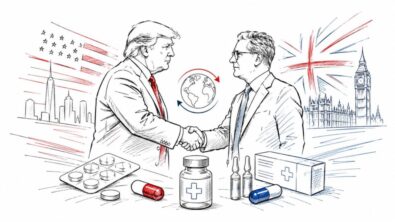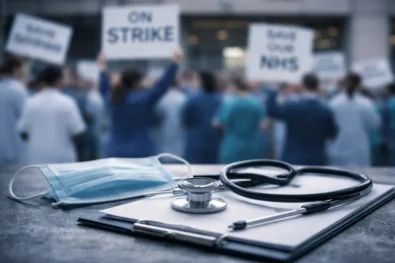
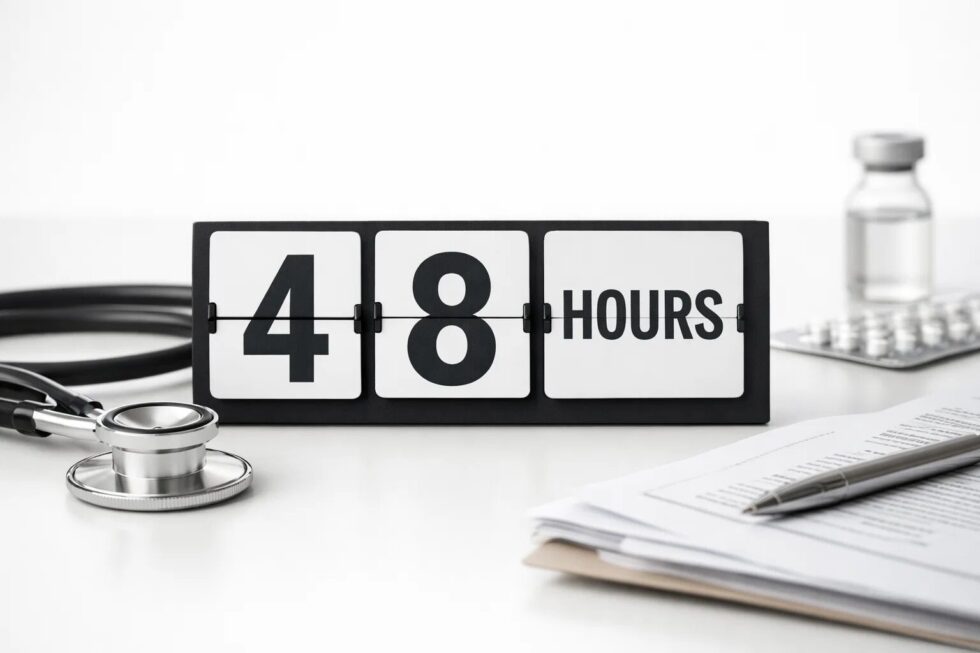
Prime Minister Keir Starmer has escalated the long-standing dispute with the British Medical Association (BMA) by issuing a stark 48-hour deadline to cancel a planned six-day strike or face the permanent withdrawal of a landmark training and pay offer. The government’s proposal, which includes a 7.1% salary increase and the creation of 4,500 new specialist training places, is now contingent on the BMA resident doctors' committee reversing its decision to strike following the Easter bank holiday. This high-stakes maneuver marks a shift from negotiation to ultimatum, as the National Health Service (NHS) braces for significant disruption between April 7 and April 13, 2026, reports The WP Times via theguardian.
The Financial and Structural Architecture of the Government Offer
The current offer from the Department of Health and Social Care (DHSC) represents one of the most complex packages presented to resident doctors since the industrial action began. Central to the deal is a 7.1% consolidated pay rise for the 2025/26 financial year, which government officials claim sits comfortably above the projected inflation rate for the period. Beyond direct remuneration, the package addresses long-standing systemic grievances regarding the "bottleneck" in medical careers, where thousands of qualified doctors are unable to progress to consultant level due to a lack of specialty training posts.
The 4,500 additional training places promised over three years were designed to alleviate this pressure, with a specific focus on high-demand areas such as General Practice, Psychiatry, and Emergency Medicine. Furthermore, the deal includes a commitment to reform pay scales and provide full reimbursement for Royal College examination fees—costs that can often exceed £2,000 for individual junior practitioners. The Prime Minister argued in The Times that these measures were the result of "months of collaboration" and warned that rejecting them serves neither the interests of patients nor the medical profession.
| Feature of the Proposed Deal | Quantitative/Structural Impact | Status as of March 31, 2026 |
| Salary Increase | 7.1% (Consolidated) | Contingent on strike cancellation |
| Specialist Training Slots | 4,500 over 3 years | 1,000 slots to be withdrawn Thursday |
| Immediate Training Release | 1,000 positions this month | At risk of immediate cancellation |
| Exam Fee Reimbursement | 100% of Royal College fees | Withdrawn if strike proceeds |
| Industrial Action Dates | April 7 – April 13, 2026 | Planned 6-day walkout |
The BMA’s Stance: "Shifting Goalposts" and Pay Restoration
The BMA Resident Doctors’ Committee, led by Dr. Jack Fletcher, remains steadfast in its demand for "full pay restoration" to 2008 levels. The union argues that real-terms pay for resident doctors has eroded by approximately 26% over the last 18 years when adjusted for RPI inflation. Dr. Fletcher appeared on BBC Radio 4’s Today programme to accuse the government of "shifting the goalposts" at the final hour regarding the structure of the pay settlement. He defended the committee’s decision not to ballot members, stating that the current offer fails to adequately address the core issue of historical pay erosion.
From a practical standpoint, the BMA’s strategy hinges on the belief that the NHS cannot solve its elective backlog—currently estimated at over 7.6 million cases—without significant concessions on pay to retain staff. The union claims that unilateral threats issued through the media are an "unconvincing way to resolve a dispute." However, the government’s counter-argument is that the 26% demand is fiscally "unaffordable" under the 2026 budget constraints, which prioritize stabilizing the national debt-to-GDP ratio.
Economic and Operational Risks to the NHS
If the 48-hour ultimatum expires without a resolution, the consequences for the NHS will be twofold: immediate operational chaos during the April strike and long-term workforce shortages due to the loss of training slots. Health Secretary Wes Streeting has noted that the 1,000 training positions at risk of being "vacated" are essential for reducing reliance on expensive locum (agency) doctors, who currently cost the NHS billions of pounds annually.
Practical Recommendations for NHS Trusts and Patients:
- Trust Management: Hospitals are advised to initiate "Gold Command" emergency protocols immediately, prioritizing life-preserving care (A&E, maternity, and neonatal units) ahead of the April 7 walkout.
- Surgical Backlog: Expect a surge in cancellations for elective procedures; trusts should proactively contact patients scheduled for surgery between April 7 and 13 to reschedule for late May or June.
- Career Planning: Resident doctors currently applying for specialty training should be aware that if the deal is withdrawn, the 1,000 additional slots for the April application cycle will cease to exist, potentially delaying career progression by a full year.
Legislative Context and "Minimum Service Levels"
The dispute is taking place against the backdrop of the Strikes (Minimum Service Levels) Act 2023. While the government has the power to issue "work notices" to ensure a certain level of staffing in hospitals, the practical enforcement of these notices remains legally contentious and operationally difficult. Critics of the government suggest that forcing doctors back to work could further damage morale and accelerate the "brain drain" of UK-trained medics to Australia and Canada—countries currently offering starting salaries up to 40% higher than the NHS for similar roles.
The 48-hour window provides a narrow opportunity for "ACAS-mediated" (Advisory, Conciliation and Arbitration Service) talks. Sources within the DHSC suggest that while the 7.1% headline figure is non-negotiable, there may be slight flexibility in the "phasing" of the training slots or additional non-monetary benefits. However, the Prime Minister’s rhetoric suggests he is prepared to let the offer fall to demonstrate fiscal discipline.
The "April 2nd" Threshold: What Happens Next
Should the BMA refuse to move by Thursday, April 2nd, the government is expected to formally notify the medical deaneries to halt the processing of the 1,000 new training applications. This would likely trigger a further hardening of the BMA’s position, potentially leading to a renewed mandate for industrial action extending into the summer of 2026. For the public, this represents a period of sustained uncertainty regarding healthcare access.
The risk for the Starmer administration is the political fallout of a "failed NHS" during a period of economic recovery. If the strike proceeds and the training offer is withdrawn, the government loses its strongest argument for workforce reform. Conversely, if the BMA folds, it risks a significant internal rift among its members who feel the committee should have held out for a double-digit pay increase.
Frequently Asked Questions
Why did Keir Starmer set a 48-hour deadline?
The deadline is timed to coincide with the release of the April specialty training application cycle. By threatening to "vacate" these spots, the government is applying pressure on the BMA to prioritize career progression for its members over further industrial action.
What is "Full Pay Restoration"?
It is the BMA's demand to increase doctor salaries to match the purchasing power they had in 2008. The union estimates this requires a 26% pay rise to account for nearly two decades of below-inflation settlements.
Can patients still see a doctor during the strike?
Emergency services will remain open, but elective surgeries, outpatient appointments, and routine GP referrals will be significantly delayed. Patients are urged to use 111 online for non-life-threatening issues.
What happens to the 1,000 training slots if the strike goes ahead?
According to the Prime Minister, they will be "released" or withdrawn from the current recruitment round, meaning they will not be available for doctors to apply for this month.
Is the 7.1% offer higher than current inflation?
Yes, as of early 2026, UK inflation has stabilized near the 2.5%–3% range, making the 7.1% offer a real-terms pay increase, though far below the BMA's restoration target.
Will the strike affect the whole of the UK?
This specific dispute and ultimatum concern resident doctors in England. Health policy is devolved in Scotland, Wales, and Northern Ireland, where different negotiations are ongoing.
Read about the life of Westminster and Pimlico district, London and the world. 24/7 news with fresh and useful updates on culture, business, technology and city life: What is happening with M60 traffic today after motorway shut near Trafford Centre