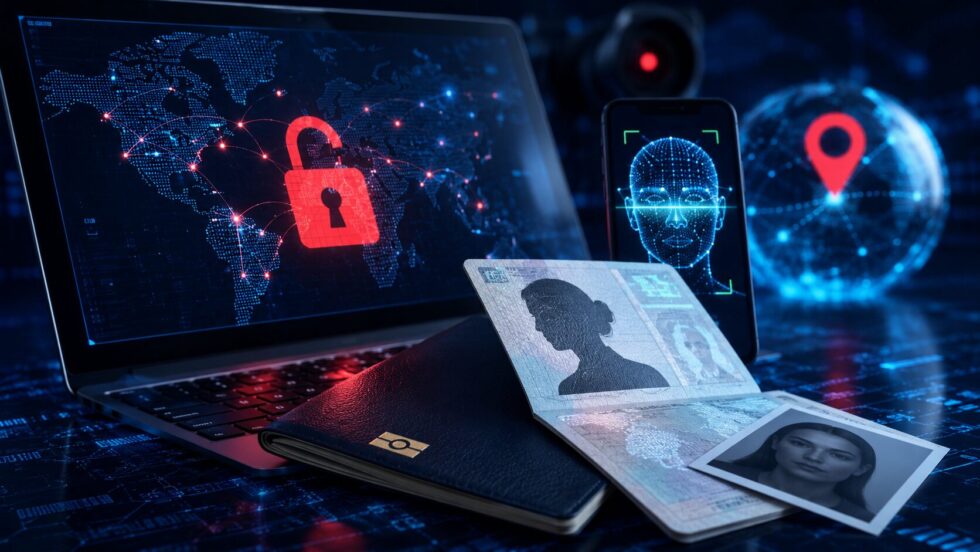
Thousands of travellers who uploaded passports and selfie verification photos while applying online for U.K. travel authorisation may now be facing one of the most serious identity-security scares linked to an immigration-related platform in recent months after reports revealed an alleged UK visa portal data leak involving highly sensitive applicant documents. Investigations published on 27 May 2026 claimed that a private website known as “UK Visa Portal” — a commercial platform not connected to the British government — had allegedly exposed passport scans, facial images and embedded location data through an improperly secured Amazon-hosted cloud-storage system. According to the published findings, at least 100,000 uploaded files may have been accessible online, raising urgent concerns across Britain and Europe about biometric identity verification, digital immigration infrastructure and the rapidly growing ecosystem of unofficial visa-processing services appearing alongside government systems in search results, as The WP Times reports amid increasing scrutiny over how private online platforms handle some of the world’s most sensitive personal data.
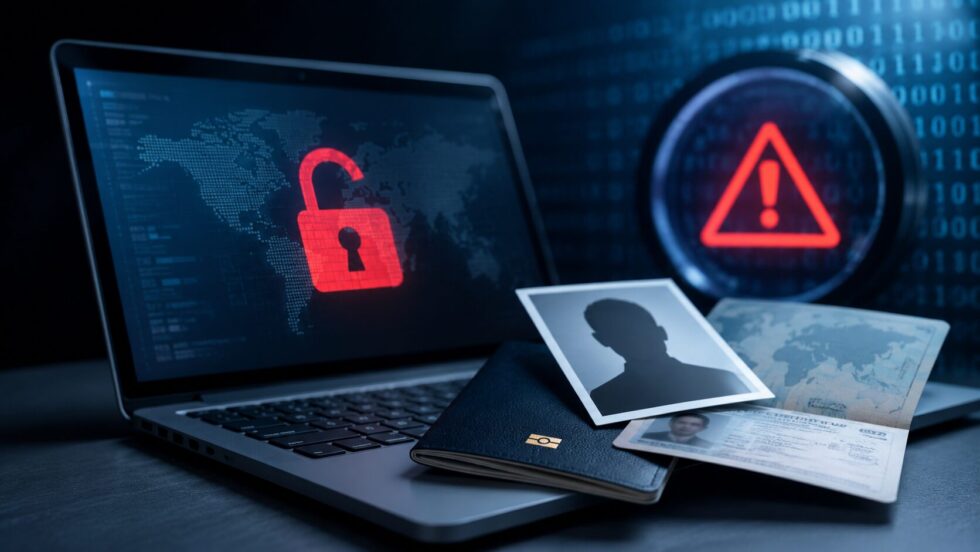
The alleged exposure has intensified fears because the leaked information reportedly included not only passport photographs but also selfie images used for remote identity checks — the same combination increasingly required by banks, fintech platforms, airlines, cryptocurrency exchanges and electronic travel authorisation systems worldwide. Cybersecurity specialists warn that when facial verification images and government-issued identity documents appear together inside exposed online databases, the risks can extend far beyond ordinary privacy breaches, potentially opening pathways to identity theft, impersonation fraud, synthetic-account creation and long-term biometric misuse. Reports further indicated that some applicants may have mistakenly believed they were using an official U.K. government service when paying fees through the platform rather than applying directly through GOV.UK systems, adding a wider consumer-protection dimension to what is rapidly becoming one of the most closely watched digital identity-security incidents linked to immigration processing this year.
How the alleged UK Visa Portal data leak reportedly exposed thousands of identity documents
According to the published investigation, the incident centred around a cloud-storage system hosted on Amazon infrastructure, commonly referred to in cybersecurity as a storage “bucket.” While the bucket itself allegedly did not openly display every stored file in a public directory, individual files could reportedly still be viewed directly if someone obtained or generated the correct web addresses linked to uploaded documents.
This distinction is critical because many modern cloud-data exposures no longer involve dramatic hacking operations or ransomware attacks. Instead, cybersecurity experts increasingly see incidents caused by incorrect cloud permissions, backend configuration failures or poorly protected APIs that unintentionally expose private files online.
The reports stated that an anonymous source initially alerted journalists to the alleged exposure and claimed the platform was leaking massive quantities of uploaded documents associated with visa applicants. Journalists later said they verified the authenticity of the files by contacting affected individuals directly and confirming that the uploaded passport scans and selfies were genuine.
Reported files allegedly exposed online
| Type of document | Why it creates major risk |
|---|---|
| Passport scans | High-value identity document for fraud |
| Selfie verification photos | Can support biometric impersonation |
| Metadata within images | May reveal location and addresses |
| Immigration-related uploads | May expose travel or identity history |
| Identity verification records | Useful for financial-account abuse |
Security analysts say passport leaks are considered particularly severe because passports remain trusted identity documents across global banking systems, border controls, airline verification procedures and online onboarding platforms.
Why passport and selfie exposures alarm cybersecurity experts
Modern online identity verification increasingly relies on facial comparison systems matching a selfie image against a government-issued document.
That means a leaked dataset containing both a passport image and a facial-verification selfie may become dramatically more valuable to cybercriminals than ordinary personal-information breaches involving only email addresses or passwords.
A password can be changed in minutes. A face cannot.
Cybersecurity specialists say such information may potentially be abused for:
- Identity theft
- Cryptocurrency-account creation
- Loan and credit fraud
- Fake remote verification
- SIM-swap attacks
- Banking impersonation
- Synthetic digital identities
The seriousness of the alleged UK visa portal data leak also increased after reports claimed that some uploaded images contained embedded metadata capable of revealing where photographs were taken, in some cases reportedly accurate enough to expose residential addresses.
Privacy researchers frequently warn that smartphone photographs often contain hidden EXIF metadata storing GPS coordinates, timestamps and device information unless stripped before upload.
Why confusion between GOV.UK and third-party visa websites matters
A major part of the controversy now centres around confusion between official government immigration systems and commercial third-party processing websites. According to the reports, UK Visa Portal was not affiliated with the British government, despite claims that some users mistakenly believed they were paying through an official U.K. visa or ETA application process. This issue reflects a wider trend affecting travellers globally. Search engines increasingly display:
- Sponsored visa services
- SEO-optimised immigration platforms
- Commercial ETA intermediaries
- Travel-authorisation assistance websites
alongside official government portals.
For travellers unfamiliar with British immigration systems, the visual similarity between commercial platforms and official government-style services can create confusion — especially when urgent travel deadlines are involved.
Warning signs travellers should check before uploading passports online
| Potential warning sign | Why it matters |
|---|---|
| No direct GOV.UK connection | May indicate unofficial platform |
| Additional processing fees | Often linked to intermediaries |
| No named management contacts | Reduces transparency |
| Missing cybersecurity disclosure | Raises security concerns |
| Weak privacy documentation | Creates compliance questions |
Reports claim the platform lacked clear security-reporting channels
The published investigation also raised concerns about how the company allegedly handled vulnerability reporting and cybersecurity communication. According to the reports, the website did not provide a dedicated method for reporting security vulnerabilities and allegedly lacked publicly visible management contact information. Journalists stated they attempted to notify the company about the alleged exposure before publication but initially struggled to identify individuals responsible for handling the issue internally. The reporting later stated that customer-support representatives provided contact information for a person identified as “Michael Taylor,” described as a manager associated with the platform. Journalists subsequently reported receiving communication from lawyers and public-relations representatives after attempting to escalate concerns regarding the exposure.
Why cloud-storage misconfiguration remains one of the world’s biggest cybersecurity problems
The alleged UK visa portal data leak highlights a broader and increasingly common cybersecurity issue involving cloud-storage configuration failures. Modern companies routinely depend on cloud systems operated by providers such as:
- Amazon Web Services
- Microsoft Azure
- Google Cloud
These systems are considered technically secure when configured properly. However, incorrect permissions or insecure backend systems can unintentionally expose enormous amounts of sensitive data online.
Common causes of cloud-based data exposures
| Technical issue | Potential result |
|---|---|
| Public file permissions | Anyone may access documents |
| Broken backend logic | File discovery becomes possible |
| Weak access controls | Unauthorised viewing risks |
| Poor monitoring systems | Delayed detection |
| Insecure APIs | Mass data exposure |
Cybersecurity experts repeatedly stress that many major global data leaks occur because of operational mistakes rather than sophisticated external attacks.
Why biometric verification systems are under growing scrutiny
The incident arrives at a time when governments and private companies worldwide are rapidly expanding biometric verification systems. Across Britain and Europe, organisations increasingly require:
- Facial recognition
- Passport scans
- Remote onboarding selfies
- Digital travel authorisation
- AI-driven identity verification
for everything from travel applications to banking services.
Supporters say such systems reduce fraud and speed up digital onboarding. Critics argue they create massive centralised collections of highly sensitive biometric information vulnerable to exposure, misuse or long-term surveillance risks. The alleged UK visa portal data leak is therefore being viewed by many analysts as part of a much larger global debate over digital identity infrastructure and online biometric security.
Questions still unanswered after the alleged exposure
Several major questions remain unresolved following publication of the reports.
Questions cybersecurity investigators may examine
- How long were the files accessible online?
- Were any documents downloaded by unknown parties?
- Did the company maintain access logs?
- Were affected individuals notified?
- Were regulators informed under GDPR rules?
- Who internally handled cybersecurity oversight?
According to the published reporting, journalists later asked legal representatives connected to the company whether they could confirm how long the storage system remained exposed or whether any evidence existed showing files had been accessed or downloaded. The reports stated detailed answers were not publicly provided.
Why the alleged UK visa portal data leak could have long-term consequences
Identity-document breaches often create risks extending years beyond the original incident. Unlike passwords, passports and biometric facial characteristics remain permanently valuable because they continue functioning as trusted identity markers across multiple industries and international systems.Cybersecurity experts warn that leaked identity datasets may potentially circulate for years across criminal marketplaces and fraud networks.
Long-term risks linked to leaked passport datasets
| Risk | Potential impact |
|---|---|
| Identity impersonation | Fraudulent account creation |
| Financial fraud | Credit or loan abuse |
| Cross-border identity misuse | Travel-related impersonation |
| Biometric exploitation | Facial-verification abuse |
| Phishing targeting | Highly personalised scams |
The inclusion of location-linked metadata may further increase the seriousness of the alleged exposure because physical-location information can potentially be combined with identity documents for targeted fraud schemes.
What travellers should do before applying for visas online
Cybersecurity specialists recommend several precautions before uploading passports or facial-verification photos online.
Recommended precautions
- Use official GOV.UK websites whenever possible
- Verify domains carefully before payment
- Avoid unknown third-party visa intermediaries
- Review company transparency information
- Check privacy and data-protection policies
- Remove metadata from photos where possible
- Avoid uploading documents on public Wi-Fi
- Monitor identity and banking activity after suspicious exposure
Experts also recommend being cautious about platforms appearing in advertisements or sponsored search results without clear government affiliation.
Why the alleged UK visa portal data leak matters far beyond Britain
The reported incident has rapidly evolved into more than a single immigration-related cybersecurity story. It now represents a wider warning about the growing dependence on digital identity systems, cloud infrastructure and biometric verification across global travel, finance and government administration. Millions of travellers every year upload passports and selfies to remote online systems in order to:
- Apply for visas
- Obtain electronic travel authorisation
- Verify banking identity
- Open financial accounts
- Access government services
As these systems expand, cybersecurity specialists warn that identity-document databases are becoming among the most sensitive and attractive digital assets in the world. The alleged UK visa portal data leak therefore highlights a growing global challenge: how governments, private companies and digital platforms protect biometric identity systems in an era where a single cloud-storage error may potentially expose thousands of people to years of fraud, impersonation and privacy risk.
Read about the life of Westminster and Pimlico district, London and the world. 24/7 news with fresh and useful updates on culture, business, technology and city life: Manchester Airport Flights May 2026: Jet2 Launches New Samos Route Twice Weekly, UK Rollout to Birmingham