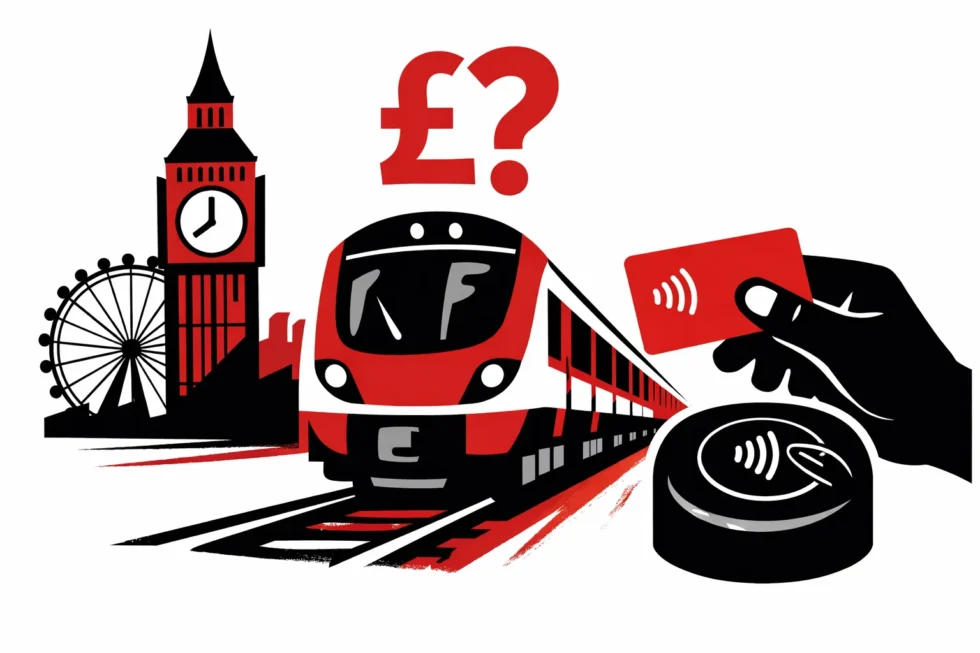
London train fares, contactless rail payments and peak ticket changes are now reshaping the cost of commuting across the capital, as London commuters travelling from parts of south-east England face higher rail bills after the government expanded contactless payments and forced a redefinition of peak and off-peak travel windows. The changes took effect on 14 December 2025, when contactless ticketing was rolled out to 50 additional rail stations under a Department for Transport (DfT) programme designed to modernise ticketing and align national rail fares with Transport for London’s contactless system. As a result, several services that were historically classified as off-peak are now being charged as peak-time journeys for the first time, pushing up daily commuting costs for thousands of passengers. This was first reported by The WP Times, citing data and briefings from the Department for Transport and rail operators.
Under the new system, traditional rail ticketing has been aligned with Transport for London’s contactless fare structure, meaning that some services that were previously off-peak are now treated as peak services for the first time. As a result, thousands of passengers who used to travel on cheaper off-peak tickets are now required to pay peak-time prices.
One of the clearest examples is on the Southern line from Reigate to London. The first weekday London-bound service that can now be used with an off-peak Day Travelcard departs at 9:28am, whereas previously passengers could travel off-peak from 8:58am. However, the same 8:58am train becomes off-peak just five minutes later when it stops at Redhill, creating what rail users describe as a postcode lottery on ticket pricing.
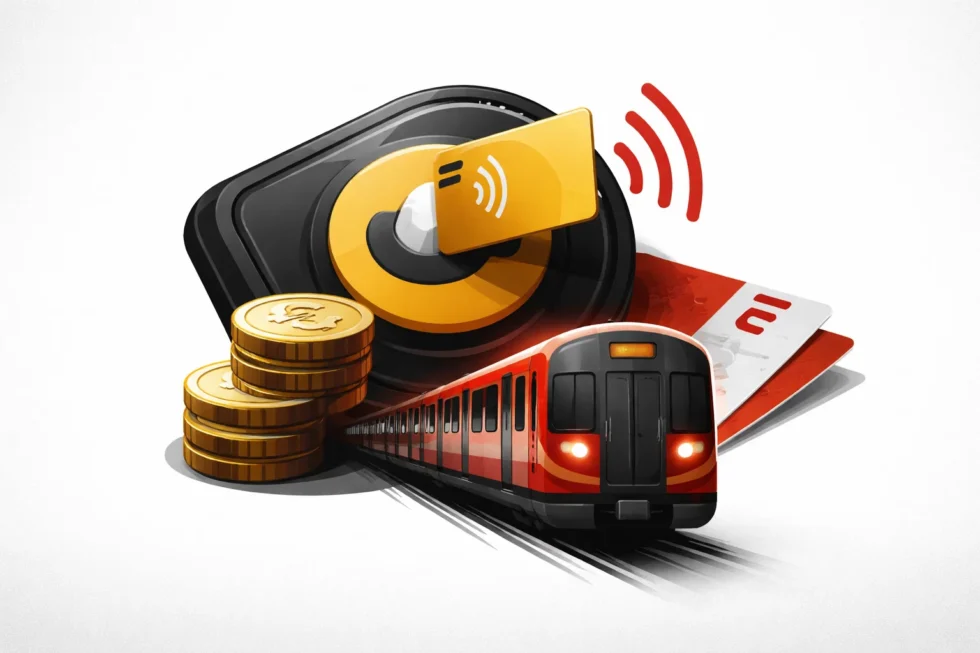
The financial impact is significant. A Day Travelcard valid at any time now costs £37.10, while an off-peak versioncosts £20.60. New contactless rules have also introduced travel restrictions between 4pm and 7pm, forcing many commuters into peak pricing for evening returns.
Rebecca Paul, Conservative MP for Reigate, warned that the new structure risks making rail travel unaffordable for ordinary passengers. She said the reform was supposed to simplify rail travel, but instead is quietly pricing people out by narrowing the definition of off-peak travel.
The impact extends beyond commuters. Super off-peak fares, previously used by families and leisure travellers, have been removed at several stations. According to Railfuture, passengers using contactless can be charged up to twice as much as those buying paper tickets for identical journeys.
A major problem is that railcards, child discounts and Groupsave offers cannot be registered on contactless systems. This creates large price gaps for families. For example, a family of two adults and two children travelling from Luton to central London at the weekend would pay £84 using contactless, compared with £41.70 when purchasing paper tickets with a Groupsave discount.
Steve Trigg of the Reigate, Redhill & District Rail Users Association said the rollout has created “a complex and unfair system” and accused the DfT of introducing changes without proper consultation with passengers.
Train operator Govia Thameslink Railway (GTR), which runs Southern and Thameslink, said the changes were not designed to increase revenue and that many passengers would save money under contactless. However, campaigners argue that price transparency has deteriorated, and that passengers often do not know they are being charged peak fares until after they travel.
The DfT has not indicated whether discounts will be added to contactless in the future, leaving families, railcard holders and off-peak commuters facing permanently higher costs.
Read about the life of Westminster and Pimlico district, London and the world. 24/7 news with fresh and useful updates on culture, business, technology and city life: Stratford station safety: how a 72-year-old was struck 7 times by 4 Jubilee line trains on the London Underground