Italy has refused to take part in the Peace Council proposed by US President Donald Trump, citing concerns that participation could breach the country’s constitution, The WP Times reports, citing Reuters.
Italy’s Economy Minister Giancarlo Giorgetti said on Wednesday that Italy’s involvement in the initiative was “problematic”, adding that there were “certain problems” related to Rome’s potential participation. According to Reuters, citing Italian media, the Italian government has concluded that it will not join the Peace Council because membership could violate constitutional provisions governing Italy’s participation in international organisations.
Under Italy’s constitution, the country may take part in international bodies that promote “peace and justice among nations” only if participation takes place on equal terms with other states. Italian officials and legal advisers argue that this condition would not be met under the structure of the proposed Peace Council, which places ultimate authority with the US president. As a result, Rome considers participation incompatible with the principle of sovereign equality required by Italy’s constitutional framework.
Trump Peace Council proposal
President Trump announced plans to establish the Peace Council on 15 January, presenting it as a body that would oversee post-war governance arrangements in the Gaza Strip. Following the announcement, the White House sent formal invitations to heads of state proposing participation in the council. In total, representatives of 49 countries, as well as the European Commission, received invitations. The proposal has since drawn mixed reactions from governments, with several countries raising questions over its legal basis, governance structure and relationship to existing international institutions.
International reactions
On Sunday, 18 January, Hungarian Prime Minister Viktor Orbán confirmed that Hungary had been invited to join the newly created council. The following day, on 19 January, Russia said the United States had approached President Vladimir Putin with an invitation to participate — a move that triggered concern among several Western governments.
Norway subsequently announced that it would not take part, stating that the Peace Council does not align with the principles of the United Nations. UK Prime Minister Keir Starmer also declined to join the initiative, citing Russia’s involvement and the lack of clarity over the council’s mandate and accountability.
Canada and financial terms
Canada has indicated that it may consider participation in the Peace Council but is not prepared to pay the reported $1bn participation fee discussed during diplomatic contacts, according to media reports. The proposed financial contributions, alongside legal and political concerns, have added to hesitation among several potential participants.
EU context
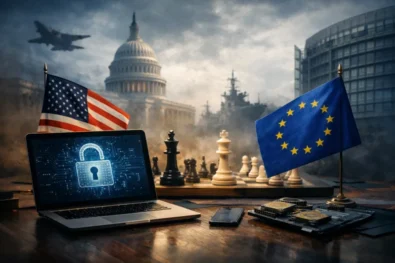
Italy’s decision adds to growing caution within the European Union over the Peace Council proposal. Diplomatic sources say a number of EU governments are awaiting further details on the council’s legal framework and its compatibility with existing multilateral mechanisms before taking a position. For Italy, constitutional constraints appear decisive, with officials emphasising that any international engagement must comply with domestic law and established principles of international governance.
Read about the life of Westminster and Pimlico district, London and the world. 24/7 news with fresh and useful updates on culture, business, technology and city life: What is Trump's Peace Council and why are countries asked to pay $1bn