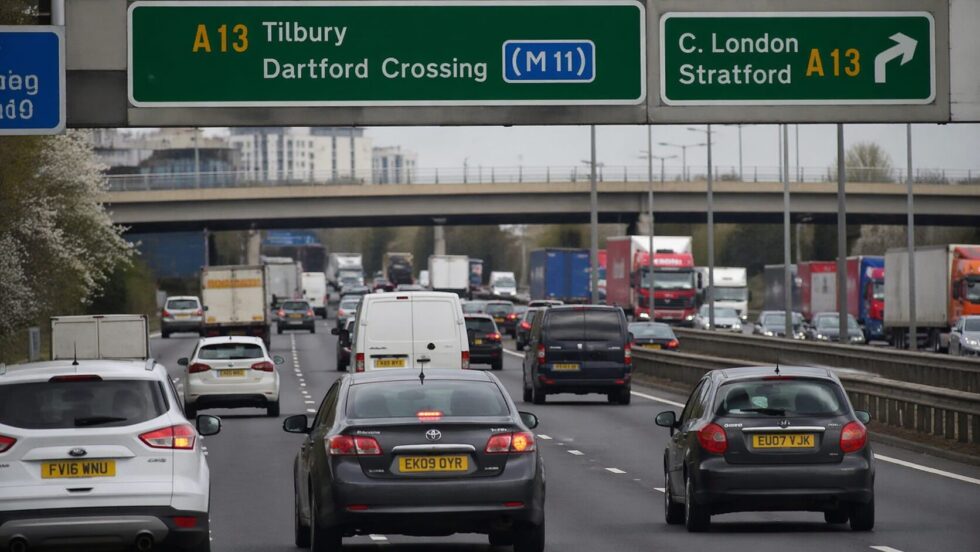
A13 traffic conditions on April 25, 2026 remain officially open with no confirmed full closures according to published datasets from National Highways and Transport for London. The route continues to operate as a key arterial corridor between East London and Essex, with no scheduled complete shutdown recorded in advance planning systems.
Traffic management policy indicates that any works affecting this corridor are expected to be carried out under phased or overnight restrictions, rather than full daytime closure. As a result, disruption risk is linked more to timing and adjacent works than to a direct closure of the A13 itself, reported The WP Times.
What Official Data Confirms About Closures
Government roadwork datasets do not list any full A13 closure for April 25, 2026. In the UK system, this is a significant distinction because full closures are normally pre-published when planned. The absence of such a listing indicates that the corridor is not scheduled for complete shutdown within the current planning cycle.
However, this does not mean the road is entirely free of works. National Highways structures its data around planned interventions, meaning smaller lane restrictions may still exist without being classified as full closures.
How Traffic Works Are Actually Scheduled
Most maintenance across UK strategic roads is deliberately scheduled overnight. This is standard policy across National Highways to reduce disruption on high-volume corridors like the A13.
Typical operational pattern includes:
- resurfacing and repair works during night hours
- temporary lane narrowing instead of full closure
- controlled speed reductions in active zones
- reopening before peak morning traffic
This system is designed to keep major routes technically open even while engineering work is ongoing.
London Section Monitoring And TfL Role
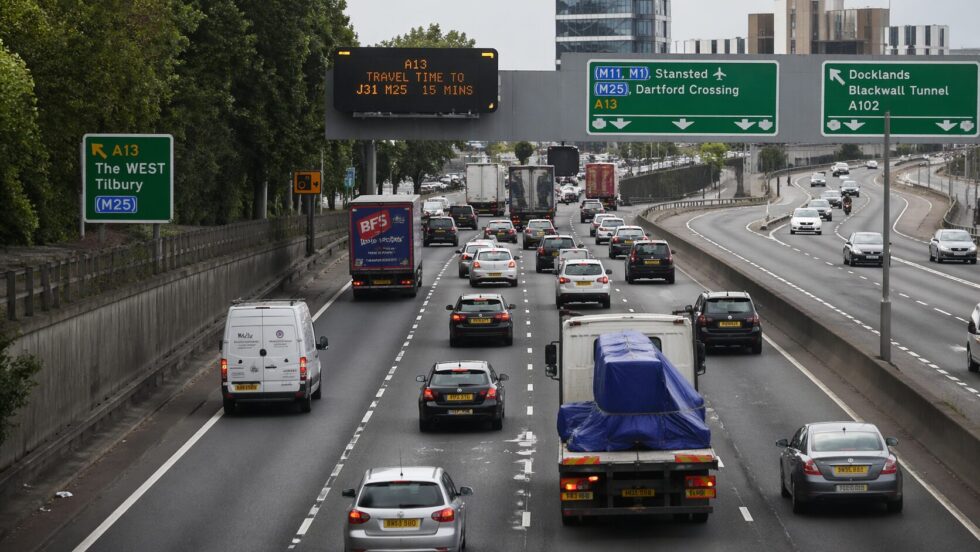
Within Greater London, the A13 is monitored through live systems operated by Transport for London. These systems focus on real-time traffic conditions rather than static closure announcements. No pre-scheduled full closure is recorded for April 25 in TfL planning data. However, TfL explicitly separates planned works from live disruptions, meaning short-term lane restrictions or incidents may appear only during actual travel.
This creates a dual-layer system: planning data shows no shutdown, while live data may still show temporary congestion events.
What Drivers Will Actually Experience
Even without a formal closure, A13 traffic is expected to fluctuate due to its role as a freight and commuter artery. Junction pressure points near major interchanges are typically the most sensitive areas, where minor disruptions can create visible congestion.
In practical terms, drivers should expect an open but variable corridor rather than steady free-flow conditions. Morning hours following overnight works are usually the most sensitive period for residual delays.
Data Limits And Why “No Closure” Has A Specific Meaning
Official UK road databases are designed primarily to publish planned full closures, not every operational restriction. This means that:
- lane closures may not always appear in advance
- short-duration works can be added in real time
- emergency interventions are not pre-listed
This structure is intentional and reflects how National Highways manages live infrastructure updates. Therefore, “no listed closure” should be interpreted precisely as no planned full shutdown, not as an absolute absence of disruption.
Official Operational Guidance
“Closures generally operate overnight and may extend into early morning traffic periods,” — National Highways
This statement defines the operational framework relevant to A13 traffic conditions on April 25. It confirms that any disruption is expected to be time-limited and primarily overnight rather than a full daytime closure.
The verified position for April 25, 2026 is clear: the A13 is not scheduled for a full closure in official datasets and remains operational across its entire corridor. Any traffic impact is expected to come from standard maintenance activity, lane-level restrictions, or live incidents rather than a planned shutdown.
The route continues to function as a critical transport link between London and Essex, with conditions determined more by real-time management than by pre-announced closures.
Read about the life of Westminster and Pimlico district, London and the world. 24/7 news with fresh and useful updates on culture, business, technology and city life: What airlines in the UK and worldwide are cancelling flights amid jet fuel shortages and raising fares in 2026