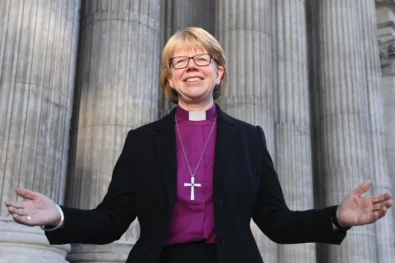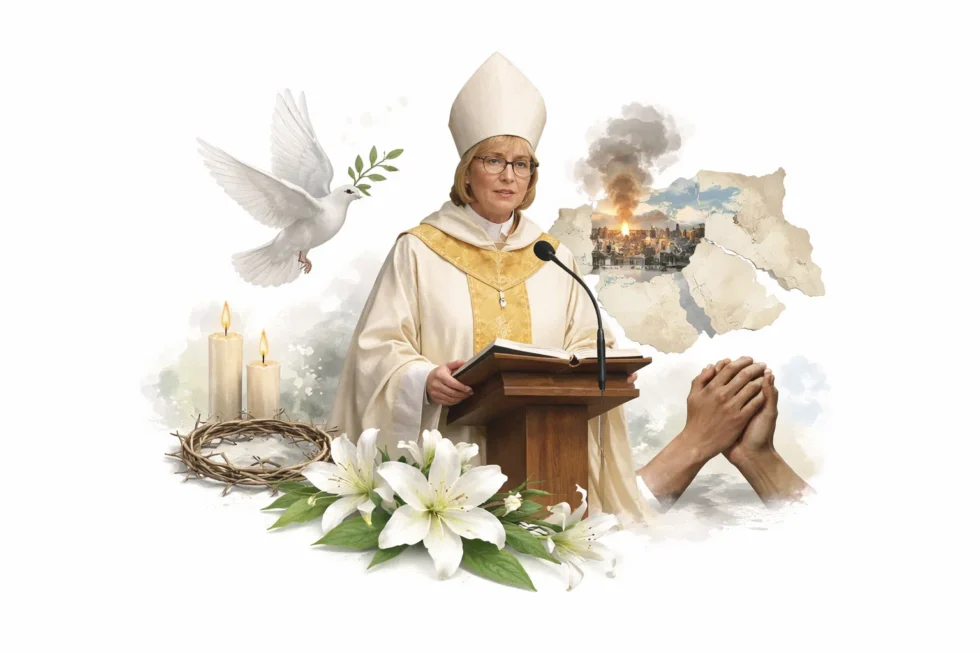
Easter messages from religious and political leaders in the UK have focused on the conflict in the Middle East, with calls for peace, unity and support for those affected by war and hardship, reported by The WP Times. The Archbishop of Canterbury, Sarah Mullally, is set to deliver her first Easter sermon in the role on Sunday at Canterbury Cathedral, where she will call “with renewed urgency” for peace in the Middle East. In her address, she is expected to urge “an end to the violence and destruction in the Middle East and the Gulf” and to pray that “all people of the region receive the peace, justice and freedom they long for”. Her intervention comes as the conflict involving Iran, the United States and Israel enters its sixth week, with thousands reported killed and wider global consequences emerging, including disruption to energy supplies linked to the Strait of Hormuz. Addressing the congregation, she will say: “This week our gaze and our prayers have been turned towards the land where Jesus was crucified and raised from the dead.
“Today, as we shout with joy that Christ is risen, let us pray and call with renewed urgency for an end to the violence and destruction in the Middle East and the Gulf.
“May our Christian sisters and brothers know and celebrate the hope of the empty tomb – and may all people of the region receive the peace, justice and freedom they long for.”
Alongside the international appeal, Mullally will address those facing personal hardship, including illness, bereavement and unemployment, telling them: “God walks with you through that darkness.” She is also expected to highlight the role of those caring for others, drawing on her background as a former chief nurse in England.
She will say: “Last night, in hospitals around the country, nurses tended to those who struggled to sleep. In hospices, carers and loved ones will have held someone’s hand, letting them know they are not alone. Parents will have cradled their babies to sleep.
“This vigil of care is the work of remaining – of staying present in the quiet and the dark.”
Mullally, who became the first woman to hold the role of Archbishop of Canterbury last month, now serves as the most senior bishop in the Church of England and a leading figure in the global Anglican Communion. The Middle East conflict has also been referenced by the UK prime minister, Keir Starmer, in his Easter message, where he warned that the situation abroad is contributing to “real anxiety” among the public. He described Easter as “a celebration of hope, new life and renewal” and paid tribute to churches and Christian communities across the country for supporting families and vulnerable groups.
“Churches have been rooted in their neighbourhoods, working to combat poverty, fear and isolation,” he said.Starmer added that Easter comes at a “time of real anxiety for many people” due to “conflicts abroad, pressures at home, and uncertainty about the future”.
He concluded with a call for unity, saying: “Our country is at its best when we choose community over division, kindness over indifference, and service over self-interest.” The convergence of religious and political messaging this Easter highlights how the Middle East conflict has moved to the forefront of public discourse in the UK, shaping both spiritual reflection and government messaging at a time of international instability.
Read about the life of Westminster and Pimlico district, London and the world. 24/7 news with fresh and useful updates on culture, business, technology and city life: UK Easter Traffic: April 3–5, 2026 Guide to M25, M5, M1, and M6 Motorway Delays
Sources - The Guardian, The Independent, The Telegraph, PA Media