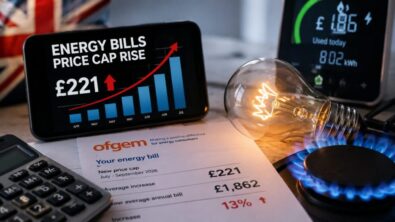
Energy price cap January 2027 figures are now confirmed: Ofgem announced on Wednesday 25 November that the cap for 1 January to 31 March 2027 will rise by 26%, taking a typical dual-fuel household paying by Direct Debit from £1,723 to £2,166 a year, £443 more. The regulator blamed continued conflict in the Middle East, which has pushed up international gas prices; gas bills rise by 33% and electricity bills by 19% compared with the October cap. Around 20 million households on standard variable tariffs are affected, reports the Westminster newsroom of The WP Times.
For London households the rise lands in the most expensive quarter of the year, when heating demand peaks. Some support is already in place: VAT on domestic electricity is zero, and the government has announced £100 towards the energy bills of around 20 million households from January, the £150 Warm Home Discount is being credited to eligible bills, and Winter Fuel Payments of £100 to £300 are being paid to pensioners in November and December. The most effective steps, however, are the ones households take before 1 January: checking fixed deals, sending meter readings, changing boiler settings and claiming every discount they are entitled to.
Energy price cap January 2027: the confirmed figures
Ofgem confirmed the new cap on 25 November. It applies from 1 January to 31 March 2027 and limits unit rates and standing charges on default tariffs. The figures below are Great Britain averages for customers paying by Direct Debit; rates in London differ slightly by region.
| Item | 1 October to 31 December 2026 | 1 January to 31 March 2027 |
|---|---|---|
| Typical annual dual-fuel bill | £1,723 | £2,166 (+26%, +£443) |
| Electricity unit rate | — | 32.69p per kWh |
| Electricity standing charge | — | 54.77p per day |
| Gas unit rate | — | 10.96p per kWh |
| Gas standing charge | — | 29.65p per day |
| Typical monthly cost | About £144 | About £181 |
"Conflict in the Middle East continues to drive energy costs higher" (Neil Kenward, Director General for Markets at Ofgem, in the regulator's price cap announcement, 25 November 2026).
Ofgem says households can cut costs straight away, for example by switching to Direct Debit if they pay on receipt of a bill, which it estimates saves the average customer about £160 a year. Around 10 million households on fixed tariffs are protected until their deals end. The forecasts published before the announcement, set out below, proved accurate.
Ofgem sets the cap every three months, using wholesale prices over a fixed window. For the January quarter that window ran from 19 August to 17 November, a period in which gas prices rose steeply. The cap limits the price per unit of energy and the daily standing charge on standard variable tariffs; it is not a cap on the total bill, which still depends on how much energy a home uses.
Forecasts published in the final weeks before the announcement are clustered between about £2,160 and £2,220 a year.
| Forecaster | Date | January 2027 forecast | Change from £1,723 |
|---|---|---|---|
| Cornwall Insight | 18 November 2026 | £2,166 | +26%, +£443 |
| E.ON Next | 17 November 2026 | £2,169 | +26% |
| Octopus Energy | Mid-November 2026 | About £2,160 | About +25% |
| British Gas, EDF and E.ON average | 2 to 5 November 2026 | £2,219 | +29% |
| Cornwall Insight (earlier forecast) | 30 September 2026 | £1,999 | +16% |
Why gas is pushing bills up
Octopus Energy expects gas unit rates to rise by more than a third and electricity unit rates by less than a quarter, with standing charges possibly rising slightly. Because electricity prices are often set by the cost of gas-fired power stations, higher gas prices feed through to electricity too.
- Conflict in the Middle East has disrupted major global gas routes.
- European gas storage reached its lowest September level in 15 years.
- Forecasts of a colder winter have added to demand.
- The cap reflects wholesale prices from 19 August to 17 November.
What the cap could mean for a London household
The headline figure is based on Ofgem's updated typical use of 2,500kWh of electricity and 9,500kWh of gas a year, reduced in July because households now use about 7% less electricity and 17% less gas than at the previous review. Many London flats use less gas than that, while larger houses and homes with electric heating can use much more. The table below shows how the change could look for different homes, using the forecast rise of around 26%.
| Home type | Current annual cost at £1,723 typical | If the cap rises about 26% |
|---|---|---|
| Typical dual-fuel home | £1,723 | About £2,166 |
| Small flat using 75% of typical | About £1,290 | About £1,625 |
| Larger house using 150% of typical | About £2,585 | About £3,250 |
| Monthly cost, typical home | About £144 | About £180 |
These are illustrations based on the confirmed 26% rise, not Ofgem figures. Actual bills depend on usage, region, payment method and tariff. Ofgem's regional rates for London are published on the regulator's website.
Who the cap applies to
The cap applies to households on standard variable tariffs, which is most customers who have not chosen a fixed deal. Customers on fixed tariffs are protected until their fix ends, while tracker and agile tariffs follow wholesale prices directly. Prepayment customers are covered by a separate cap level.
Help already in place this winter
Several government measures are already reducing bills this winter. The largest for most households is the temporary zero rate of VAT on domestic electricity, which has applied in England, Scotland and Wales since 1 October 2026 and has been extended for electricity under the price cap to 30 June 2027. Gas is not included and still carries 5% VAT. On top of this, the government has announced that around 20 million households will receive £100 towards their energy bill from January; full eligibility details had not been published at the time of writing.
| Support | Who gets it | How much | How to get it |
|---|---|---|---|
| Zero VAT on electricity | All households in Great Britain | About £45 a year for a typical home | Automatic, 1 October 2026 to 30 June 2027 |
| £100 bill support | Around 20 million households | £100 | From January 2027; details to follow |
| Warm Home Discount | Eligible low-income households in England and Wales | £150 off the electricity bill | Mostly automatic; qualifying date 23 August 2026 |
| Winter Fuel Payment | People born on or before 27 June 1960 | £100 to £300 | Mostly automatic; paid in November or December |
| Cold Weather Payment | Some people on qualifying benefits | £25 per qualifying seven-day freezing period | Automatic when triggered |
The Warm Home Discount in 2026/27
For winter 2026/27 the Warm Home Discount moves to a single core group, replacing the two eligibility groups used before. Households qualify on their circumstances on 23 August 2026, including those receiving the Guarantee Credit element of Pension Credit, Housing Benefit or Universal Credit, subject to the rules. The £150 is a discount on the electricity bill rather than a cash payment, and suppliers apply it by 31 March 2027, with most customers receiving it before January.
"I know that many families will be struggling with their energy bills this winter" (Polly Billington, Minister for Energy Consumers, in a government statement on the Warm Home Discount, autumn 2026).
Winter Fuel Payment and the £35,000 rule
The Winter Fuel Payment of £100 to £300 goes to people born on or before 27 June 1960 in England, Wales and Northern Ireland, with most payments made in November or December 2026. People with an individual income above £35,000 have to pay it back through the tax system. In Scotland, the Pension Age Winter Heating Payment replaces it.
How to cut energy bills before January
The steps that make the biggest difference are simple, and several can be done this week. The aim is to lock in lower prices if possible, avoid paying for energy you do not use, and make sure every discount is applied.
- Compare fixed deals now: suppliers say some fixes are significantly cheaper than the expected January prices, but most carry exit fees.
- Send meter readings on or just before 31 December so January usage is billed at the new rate only from the right date.
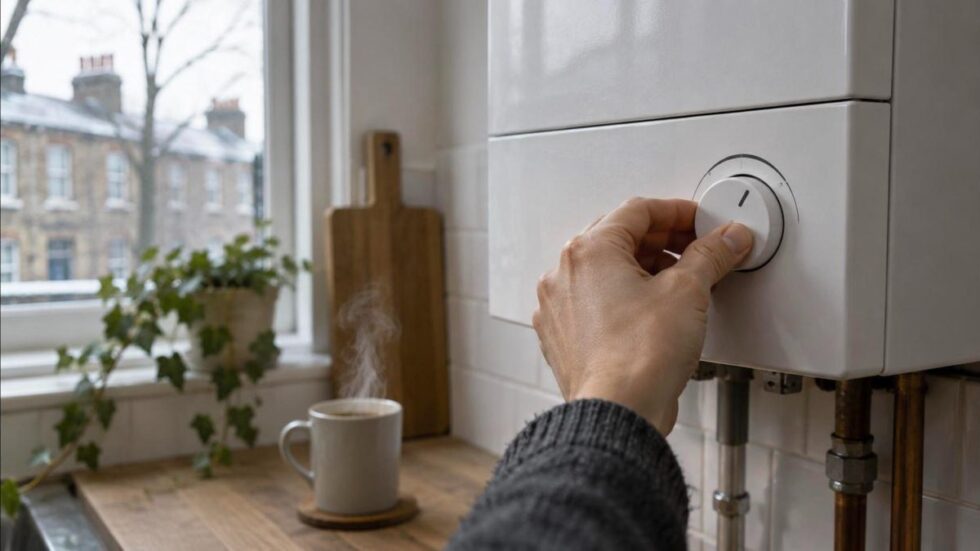
- Lower the flow temperature on a combi boiler, which reduces gas use without changing the thermostat.
- Pay by Direct Debit, which is usually cheaper than paying on receipt of a bill.
- Get a smart meter, which gives access to time-of-use tariffs and supplier saving schemes.
- Check eligibility for the Warm Home Discount and Pension Credit, which unlocks other help.
- Bleed radiators, use thermostatic valves and close curtains at dusk to keep heat in.
Fixing or staying on the cap
Fixing protects a household from the January rise and any further increase if the Middle East situation worsens, but it means missing out if wholesale prices fall. The decision depends on the price of the fix compared with the confirmed January cap, the length of the deal and the exit fee. Households should compare the annual cost of a fix with the confirmed January cap of £2,166 for typical use, rather than with the current £1,723.
What else is changing in energy bills
Two longer-term changes will affect bills beyond this winter. The government plans to abolish gas standing charges by the end of 2027 or as soon as possible after, moving those costs into the unit rate. Treasury estimates suggest about 60% of gas households could save an average of £45 a year, although some high-use homes may pay more. Electricity standing charges stay for now, with reform details expected next year.
The zero rate of VAT on electricity now runs to 30 June 2027. Ofgem will publish the April to June 2027 cap by 23 February 2027.
| Date | What happens |
|---|---|
| 25 November 2026 | Ofgem confirms 26% rise to £2,166 for 1 January to 31 March 2027 |
| 31 December 2026 | Current cap ends; send meter readings |
| 1 January 2027 | New cap rates apply |
| By 23 February 2027 | Ofgem announces the April 2027 cap |
| 30 June 2027 | Zero VAT on electricity ends unless extended again |
| End of 2027 | Planned abolition of gas standing charges |
Energy saving trends in London and Britain this winter
The way British households manage energy is changing, and the January rise is likely to speed that up. Smart meters now give many homes access to time-of-use tariffs and supplier saving schemes, which reward households for moving washing, cooking or car charging away from the evening peak. Fixed deals are back in demand as customers try to lock in prices before the new cap, and the planned abolition of gas standing charges by the end of 2027 will change how low-use homes, including many London flats, are billed.
Interest in greener and cheaper ways to run a home is also growing, from heat pumps and solar panels to simple changes such as lower boiler flow temperatures. Readers looking for practical ideas on sustainable living and saving energy at home can find them on bioline24, while official advice on bills and support comes from Ofgem and GOV.UK.
- Smart meters and time-of-use tariffs: shifting use away from the 4pm to 7pm peak.
- Fixed tariffs: compared against the confirmed January cap before signing.
- Boiler settings: lower flow temperatures on combi boilers to cut gas use.
- Heat pumps and solar: growing interest as gas prices rise.
- Standing charges: gas standing charges planned to be abolished by the end of 2027.
Background: how the price cap works
The price cap was introduced in January 2019 and is set by Ofgem, the energy regulator for Great Britain. It is reviewed every three months and limits the unit rate and standing charge suppliers can charge on standard variable tariffs. It does not apply in Northern Ireland, which has a separate market. The cap rose to record levels during the 2022 energy crisis, when the government's Energy Price Guarantee limited what households actually paid.
Energy price cap January 2027: frequently asked questions
When was the January 2027 price cap announced?
Ofgem announced it on Wednesday 25 November 2026. The new rates apply from 1 January to 31 March 2027.
How much will the price cap rise?
By 26%. A typical household paying by Direct Debit will pay £2,166 a year, up from £1,723.
Is the price cap a limit on my total bill?
No. It caps the unit price and standing charge, not the total. Higher use means a higher bill.
Is there still no VAT on electricity?
Yes. VAT on domestic electricity under the price cap is zero until 30 June 2027. Gas still carries 5% VAT.
Who gets the £150 Warm Home Discount?
Eligible low-income households in England and Wales, based on circumstances on 23 August 2026. Most get it automatically.
Should I fix my energy tariff?
It depends on the price of the fix compared with the confirmed January cap of £2,166 and the exit fees.
Read also: UK inflation rate in November 2026, Bank of England interest rate decision, Black Friday in London 2026 and more UK news from The WP Times.
Sources used: Ofgem, Cornwall Insight, Octopus Energy, E.ON Next, HM Revenue and Customs, Department for Energy Security and Net Zero, GOV.UK, Age UK, Which?.