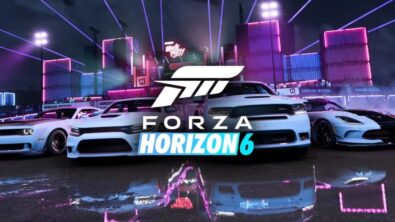
Forza Horizon 6 release date is set for 19 May 2026 across Xbox Series X|S and PC, marking a pivotal launch for Playground Games and its parent Xbox Game Studios as the franchise reaches a new commercial and critical peak. Early review aggregation indicates an average score above 90, positioning the title as the highest-rated game of the year to date and reinforcing its role as a flagship release within Microsoft’s gaming portfolio, The WP Times reports.
Forza Horizon 6 arrives with a rare convergence of factors: long-awaited geographic expansion into Japan, a mature gameplay formula refined over more than a decade, and heightened scrutiny following a pre-release leak. The result is a launch defined not by risk, but by execution — a carefully optimised iteration that maximises strengths rather than attempting disruptive reinvention.
Release details and platforms: what we know about launch timing and editions
The confirmed Forza Horizon 6 release date — 19 May 2026 — follows a familiar but highly optimised rollout strategy, including Premium Edition early access that effectively segments the launch into multiple phases. This approach allows publishers to capture early revenue while building sustained engagement through staggered availability. At launch, the game is available on:
- Xbox Series X and Series S
- PC (Steam and Microsoft Store)
- Game Pass (via Premium Upgrade access)
A PlayStation 5 version is expected later in 2026, signalling a notable strategic shift by Microsoft toward broader distribution. This move reflects evolving market realities, where platform exclusivity is increasingly balanced against revenue expansion and player base growth.
From an operational standpoint, the release strategy includes:
- Early access monetisation via premium tiers
- Pre-install and preload systems for digital optimisation
- Cross-platform synchronisation via Xbox ecosystem services
- Live service integration through Festival Playlist systems
This layered launch structure is designed to extend the lifecycle of the game beyond a traditional “day one” spike, ensuring continued visibility across multiple weeks. London context: In London, the release is expected to drive strong engagement across Game Pass subscribers, with peak activity likely in the evening hours post-launch (18:00–23:00 BST). Retail presence remains limited due to digital dominance, but specialist stores and gaming cafés in areas like Soho and Shoreditch typically organise launch-night sessions and community races.
Why Japan matters: the most requested setting finally arrives
The shift to Japan represents one of the most strategically important creative decisions in the history of the Horizon franchise. For years, community demand has centred on Japanese car culture, and Forza Horizon 6 finally integrates this into its core world design. The map is structured to reflect real-world diversity:
- Dense urban environments inspired by Tokyo
- Mountain passes suited for drift mechanics
- Rural regions with shrines and cultural landmarks
- Seasonal variation including snow-covered terrain
- Agricultural zones and coastal routes
Unlike previous entries such as Forza Horizon 5, where biome transitions were sometimes perceived as repetitive, Japan introduces a more layered geographical logic. Each region supports distinct gameplay styles, forcing players to adapt vehicle choice and driving techniques. Crucially, the setting also strengthens immersion:
- Authentic architecture and signage
- Cultural references embedded in missions
- Landscape diversity impacting race types
This results in a more cohesive world where exploration is not optional but structurally incentivised.
London context: For UK players — particularly in London’s competitive racing and sim communities — the Japan setting has specific appeal due to its connection with real-world drifting culture. London-based esports venues and car enthusiast groups are already expected to integrate Horizon 6 into informal competitions, especially focusing on Tokyo-style street circuits and drift challenges.
Critical reception: why Forza Horizon 6 leads 2026 rankings
Early critical reception positions Forza Horizon 6 at the top of 2026’s gaming landscape, with an average score of 91/100. This places it ahead of major competitors and confirms the franchise’s continued dominance in the arcade racing segment.
Comparative review scores
| Game title | Score | Position |
|---|---|---|
| Forza Horizon 6 | 91 | #1 (2026) |
| Pokémon Pokopia | 89 | #2 |
| Resident Evil Requiem | 89 | #3 |
Critics consistently emphasise:
- Precision improvements in gameplay systems
- Environmental richness and variety
- Strong pacing across progression layers
However, the analysis is not without nuance. Many reviewers note:
- The absence of radical innovation
- Continued reliance on established mechanics
This creates a paradox:
The game is widely praised not for changing the formula, but for perfecting it.
From an industry perspective, this reflects a broader trend where mature franchises prioritise optimisation over experimentation, particularly when targeting large, global audiences.
London context: UK critics, particularly those based in London media outlets, have aligned closely with global sentiment, emphasising polish and consistency. The city’s strong games journalism ecosystem — including major review platforms — plays a key role in amplifying early scores, influencing both domestic and European purchasing trends.
Gameplay systems: progression, freedom and structure
One of the most technically significant updates in Forza Horizon 6 is the refinement of progression systems, addressing long-standing design tensions between player freedom and structured advancement.
Core systems include:
Wristband progression:
- Tier-based access to events
- Gradual increase in race complexity
- Structured skill development
Discover Japan track:
- Exploration-based rewards
- Landmark discovery incentives
- Vehicle and activity diversification
Design impact
| Problem | Solution in Horizon 6 |
|---|---|
| Lack of direction in open worlds | Structured wristband tiers |
| Overly linear progression | Parallel exploration system |
| Player disengagement | Constant reward feedback loops |
This dual-system approach ensures that:
- Casual players can explore freely
- Competitive players can focus on progression
- Long-term engagement is sustained through layered objectives
Additionally, improved UI responsiveness and faster load times enhance usability, particularly on next-generation hardware.
London context: In London’s gaming community — where time efficiency is critical due to work-life patterns — this flexible progression model is particularly valuable. Players can engage in short sessions without losing progress continuity, making the game well-suited to urban lifestyles.
Content and features: what players can expect at launch
At launch, Forza Horizon 6 delivers one of the most content-dense packages in the series.
Key features:
- Over 600 vehicles
- Seasonal Festival Playlist updates
- Online multiplayer with improved stability
- Advanced tuning and customisation systems
- Accessibility options including gameplay speed control
Additional activities:
- Delivery missions
- Exploration challenges
- Photography objectives
- Environmental interactions
While some non-racing activities have received mixed feedback, they contribute to:
- Increased variety
- Broader player engagement
- Extended gameplay loops
The Festival Playlist system remains central, offering:
- Weekly challenges
- Limited-time rewards
- Continuous progression incentives
London context: For London-based players, the always-online and seasonal structure aligns well with competitive and social gaming habits. Weekly challenges are likely to drive recurring engagement, particularly among groups organising multiplayer sessions after work hours.
Leak controversy: what happened before launch
The pre-release period was disrupted by a significant leak involving PC files distributed via Steam.
Key developments:
- Unencrypted game files became accessible
- Players gained early, unauthorised access
- Gameplay footage appeared online
Playground Games responded with:
- Strict enforcement measures
- Account bans (including long-term restrictions)
- Public clarification that preload systems were not responsible
Industry reaction has been measured. According to Wesley Yin-Poole:
- The leak is damaging but not catastrophic
- Piracy remains structurally difficult to prevent
From a strategic standpoint, the incident highlights:
- Ongoing vulnerabilities in digital distribution
- The reputational risks associated with leaks
- The resilience of high-profile titles despite security issues
London context: Within London’s gaming and media circles, the leak has been viewed more as an industry issue than a consumer concern. Local players remain focused on official release performance rather than pre-launch controversy.
Strategic context: why Forza Horizon 6 matters for Microsoft
The success of Forza Horizon 6 carries broader implications for Microsoft, particularly as the company navigates a transitional period in its gaming strategy.
Key pressures include:
- Workforce restructuring across studios
- Mixed performance of flagship franchises
- Pricing concerns around Game Pass
Strategic role of Horizon 6:
- Reinforces brand stability
- Provides high-margin digital revenue
- Supports Game Pass value proposition
- Tests cross-platform expansion strategy
The anticipated PlayStation 5 release is especially significant, indicating:
- A shift away from strict exclusivity
- Increased focus on global audience reach
- Adaptation to competitive pressures from other platforms
London context: In London, where Game Pass adoption is relatively high, Horizon 6 is expected to act as a key retention driver. The game’s success may directly influence subscription stability in the UK market.
Industry perspectives: why Forza Horizon 6 is being framed as the peak of the series
Critical consensus around Forza Horizon 6 has settled quickly and unusually firmly: reviewers are not describing a reinvention, but a culmination. Across major outlets and aggregated scores, the language is consistent — this is the most complete, most polished, and most structurally confident entry the franchise has delivered to date.
What distinguishes this reception is not just the headline score, but the alignment of critique. Where previous Horizon titles split opinion on map design or progression pacing, Horizon 6 has narrowed that gap. The Japan setting is widely described as a functional upgrade rather than a visual one, shaping race types, vehicle choice and player behaviour in a way earlier maps did not fully achieve.
Key themes emerging from reviews
- Environmental design as gameplay driver
Critics repeatedly emphasise that the map is no longer a backdrop but an active system. Mountain roads enable technical drifting, urban density forces precision driving, and rural regions encourage exploration-based progression. The environment dictates playstyle rather than simply hosting it. - Driving model refinement over overhaul
The core physics remain accessible, but responsiveness, handling consistency and surface transitions have been tightened. The result is a system that feels more predictable at speed, particularly across mixed terrain races — a long-standing friction point in earlier entries. - Content density and pacing
Horizon 6 increases activity volume without overwhelming the player. Structured progression layers — including wristbands and exploration tracks — ensure that content is revealed rather than dumped, maintaining engagement across longer sessions. - Controlled innovation
The most repeated criticism is also its most telling: the game does not attempt to redefine the genre. Instead, it consolidates over a decade of design iteration into a stable, highly optimised format.
Design philosophy behind the reception
This critical pattern reflects a deliberate strategic approach by Playground Games:
- Minimise systemic risk by avoiding radical mechanical changes
- Maximise execution quality across proven systems
- Standardise player experience to reduce friction and variability
From an industry standpoint, this is a classic late-cycle franchise move — shifting from experimentation to consolidation once a formula has proven commercially dominant.
Market implications
The implications for the racing genre and broader AAA market are significant:
- Reduced volatility at launch
High predictability in gameplay translates into lower review risk, stabilising day-one sales expectations. - Expanded audience reach
Accessibility combined with depth ensures appeal across both casual and experienced players. - Franchise durability
By refining rather than replacing its core systems, Horizon strengthens its long-term positioning against competitors, including simulation-heavy rivals and emerging open-world racing titles.
In effect, Forza Horizon 6 is being treated less as a single release and more as a benchmark — a reference point for how mature franchises can scale without losing coherence.
Outlook: what happens after launch and how Horizon 6 is expected to evolve
Following release, Forza Horizon 6 is expected to transition immediately into a live-service operational model, consistent with the franchise’s established post-launch strategy but expanded in scope and cadence.
Confirmed and expected support structure
- Seasonal Festival Playlist cycles
Rotating weekly and monthly challenges tied to in-game rewards, ensuring continuous player return. - Car Pass expansions
Scheduled vehicle drops designed to maintain collector engagement and monetisation flow. - Themed content series
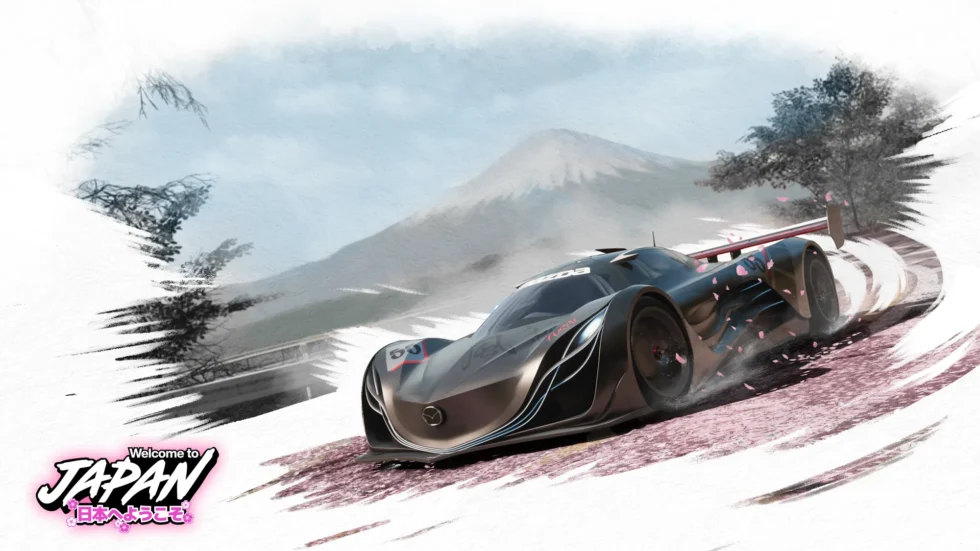
Early roadmap indicators point to structured series such as “Welcome to Japan” and “Horizon Decades,” each introducing new activities and progression layers. - Ongoing technical updates
Performance optimisation, balance adjustments and multiplayer stability improvements are expected to follow a rolling update schedule.
Engagement mechanics driving retention
| Factor | Operational effect |
|---|---|
| Strong review baseline | Sustained early adoption and conversion |
| Live-service cadence | регулярное возвращение игроков |
| Content rotation | предотвращение выгорания аудитории |
| Cross-platform rollout | постепенное расширение базы пользователей |
This system is designed to transform Horizon 6 from a launch-driven product into a persistent engagement platform, where value is delivered incrementally rather than front-loaded.
Strategic trajectory
Looking beyond the initial release window, several structural dynamics will define the game’s trajectory:
- Cross-platform expansion
The anticipated release beyond Xbox and PC ecosystems introduces a second growth phase, extending the commercial lifecycle. - Community-driven ecosystems
Multiplayer integration and user-generated challenges are expected to deepen over time, reinforcing network effects. - Content scalability
The modular design of the Festival system allows developers to introduce new themes, vehicles and mechanics without disrupting core systems.
Long-term positioning
Taken together, these elements indicate that Forza Horizon 6 is engineered for longevity rather than peak impact. The combination of high initial critical reception and structured post-launch support creates a model where:
- Engagement remains stable over months rather than weeks
- Revenue is distributed across lifecycle phases
- The franchise maintains visibility between major releases
In industry terms, Horizon 6 is not simply launching — it is entering service, with a framework designed to sustain relevance well into the next development cycle.
Read about the life of Westminster and Pimlico district, London and the world. 24/7 news with fresh and useful updates on culture, business, technology and city life: Virgin Media down: Why are TV channels pixelated and is Virgin Media down across the UK right now