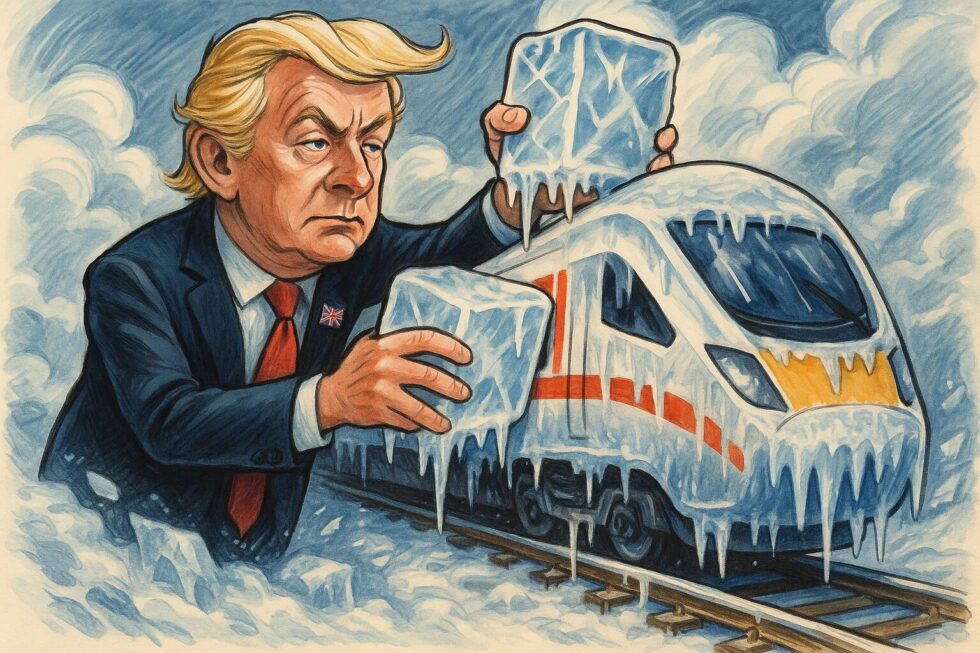
The UK government has announced that rail fares in England will be frozen for the first time in three decades, providing significant relief to commuters across the country. This freeze, which will remain in place until March 2027, specifically covers regulated fares, a category that includes season tickets and off-peak return tickets. The decision follows the most recent increase of 4.6% implemented in March 2025. Traditionally, rail fare increases have been applied in January, calculated using the retail price index (RPI) from July plus one percent, although this formula has been varied over time. The government's move is intended to "directly limit inflation" by curbing "a major component of everyday costs," reports The WP Times with reference to the ВВС.
The announcement precedes the crucial Budget presentation scheduled for Wednesday, where Chancellor Rachel Reeves is expected to outline the government's financial roadmap, with a key focus on tackling the cost of living crisis. However, simultaneously, the Chancellor is widely anticipated to implement tax increases aimed at bridging a multi-billion-pound shortfall in the government's spending projections. Since 2021, the annual increase in fares has been shifted from January to March.
A government source acknowledged that while unregulated fares—those set freely by operators—might still see an increase, they generally tend to follow the trend of regulated fares. Unregulated fares rose by 5.5% in the year leading up to March 2025, which was 1.1% higher than the regulated fares, resulting in a total rail fare increase of 5.1% in that period. The government estimates that this fare freeze will save commuters on the more expensive routes over £300.
The Rail Delivery Group, which represents the UK's train operators, welcomed the decision, stating the freeze was "good news for customers." A spokesperson added that they are committed to working with the government to ensure that forthcoming railway reforms deliver tangible benefits for passengers.
Since the privatization of British Rail in 1996, the government has exercised control over certain train fares. The newly announced freeze marks the first such complete pause in fare hikes since then, though there have been periods when price increases were kept below the RPI rate, along with a price dip following the financial crash in 2010. Approximately 45% of all rail fares across England, Wales, and Scotland are regulated by the government; however, this specific freeze applies only to travel within England and to services operated by England-based train operating companies. Regulated fares cover a broad range of ticket types, including most commuter season tickets, certain long-distance off-peak returns, and flexible tickets for major city travel.
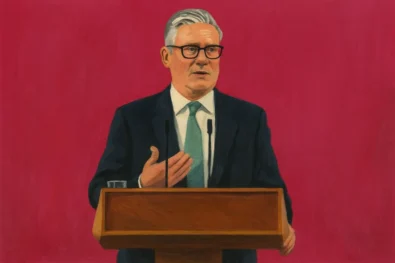
The Chancellor stated the freeze was a measure to ease cost of living pressures, making "travelling to work, school or to visit friends and family that bit easier." Transport Secretary Heidi Alexander described the action as part of "wider plans to rebuild Great British Railways." Great British Railways is a public body currently being established as part of the government's strategy to bring aspects of the railway system back under public ownership. The new body is intended to take over the running and management of both tracks and trains, with the goal of "ending years of fragmentation, driving up standards for passengers, and making journey easier and better value for money." The government indicated its plan for the new public body includes a gradual move away from annual, blanket fare increases.
The opposition Labour party criticized previous governments for "relentless" annual fare increases. Nevertheless, Shadow Transport Secretary Richard Holden stated that the Conservatives "kept fares on the right track with below-inflation rises and consistently called for no further hikes to protect hard-working commuters." Meanwhile, the government is expected to announce an extra £1.3 billion in funding in the Budget for a scheme promoting the use of electric vehicles. However, it is also plausible that electric vehicle owners could face a new tax, potentially in the form of a pay-per-mile charge.
The Chancellor is anticipated to propose a range of smaller tax increases in the Budget, having retreated from plans to raise income tax rates—a move that would have clearly violated Labour's election pledge not to increase "the basic, higher or additional rates of income tax." However, the government has not ruled out extending the freeze on income tax thresholds. Such an extension would pull more individuals into a higher tax bracket, or require them to pay tax on their income for the first time if they receive a pay increase.
Read about the life of Westminster and Pimlico district, London and the world. 24/7 news with fresh and useful updates on culture, business, technology and city life: Ex-UK Politician Nathan Gill Jailed Over Bribes Tied to Pro-Russian Propaganda in Ukraine