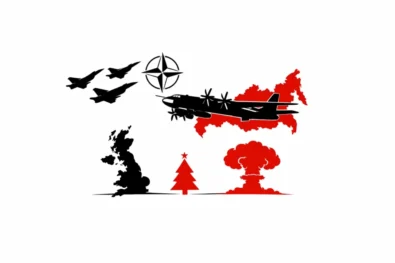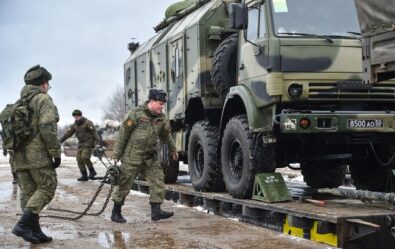
Russia has entered the first phase of preparations for a potential war with NATO, according to a new report by the Institute for the Study of War (ISW). Analysts say the Kremlin has intensified an information and psychological campaign aimed at conditioning both domestic and international audiences for the prospect of future confrontation with the Western alliance.
As reported by The WP Times, citing the ISW analysis, Russia may be preparing false-flag operations designed to provoke confusion and mistrust among NATO members and to manipulate public opinion in Europe.
Russia accuses the West of plotting attacks
The ISW cites statements from Russia’s Foreign Intelligence Service (SVR), which alleged that the United Kingdom was planning an attack by a group of “pro-Ukrainian Russians” against either a Ukrainian Navy vessel or a foreign civilian ship in a European port.
According to Moscow’s narrative, the saboteurs would claim to be acting under Russian orders. The UK allegedly intends to equip them with Chinese-made underwater equipment, enabling Russia later to accuse Beijing of supporting its aggression against Ukraine.
The ISW noted that such claims are part of a recurring disinformation pattern. Similar accusations have previously been made against Poland, Moldova and Serbia, and their growing frequency suggests a coordinated propaganda strategy.
“Phase 0” – Russia’s rising activity
“This pattern of organised activity indicates that Russia has entered the first phase of preparations for escalation to a higher level of warfare, such as a future conflict between Russia and NATO,” the ISW report states.
Since autumn 2025, Russia has stepped up its military activities, including violations of NATO airspace by drones. However, analysts stress that there is no evidence that the Kremlin has yet decided to initiate a full-scale war or set a timetable for doing so.
Long-term strategy and Kremlin objectives
According to ISW, Russia continues to pursue long-term military restructuring, including the reorganisation of its western military districts and the development of bases along the Finnish border — measures that could form part of preparations for a future confrontation with NATO.
At present, there are no signs of imminent military engagement with the Alliance. Analysts believe that the ongoing “false-flag” rhetoric serves primarily to instil fear in Europe, weaken NATO unity, and undermine Western support for Ukraine.
Inside Russia, such narratives are meant to create the image of a hostile West and to prepare public opinion for a possible escalation of tensions.
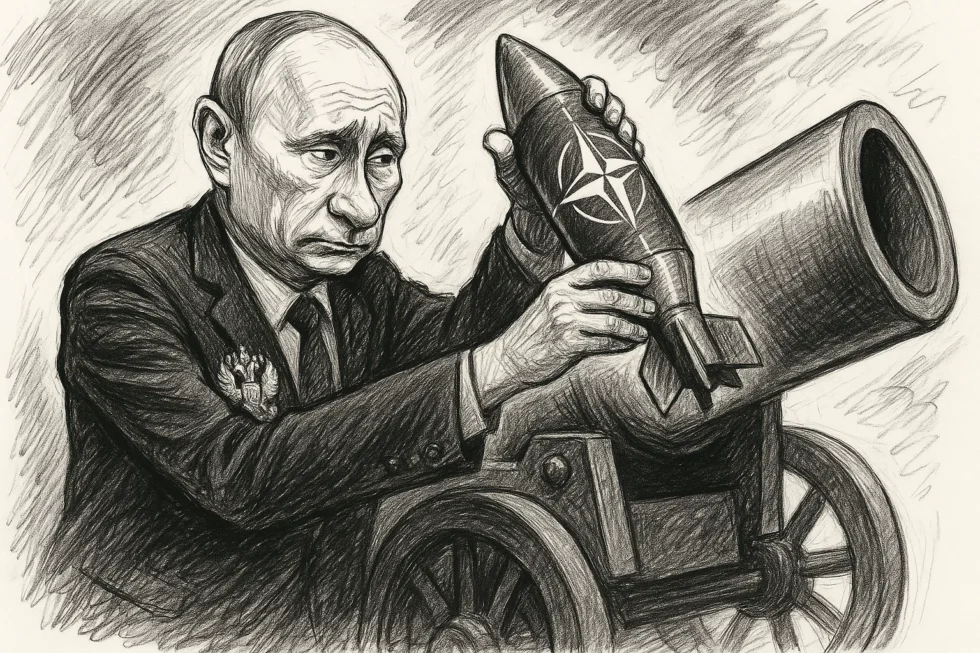
Earlier, EU Defence Commissioner Andrius Kubilius revealed that German intelligence had evidence of Kremlin discussions regarding potential attack plans on NATO members. Russian dictator Vladimir Putin dismissed these reports as “nonsense”, saying that if Europe truly believed them, its leaders “lacked competence”.
Read about the life of Westminster and Pimlico district, London and the world. 24/7 news with fresh and useful updates on culture, business, technology and city life: President Zelensky Meets Princess Anne in Kyiv: Key UK Royal Visit to Ukraine Since Independence.